Articles
How Much Does It Cost To Replace A Radiator (2026 Prices)
How much does it cost to replace a radiator comes down to the type, size, and installation complexity, with most Twin Cities homeowners paying between $600 and $2,500 per unit installed in 2026. Home heating radiators, the upright or baseboard units connected to a boiler in many older St. Paul homes, are durable but eventually leak, corrode, or lose efficiency and need replacing. Knowing the price ranges and what drives them helps you budget and compare quotes fairly. This guide breaks down 2026 radiator replacement prices, the factors that move them, and how the cost differs by radiator type for your St. Paul home.
- Real price ranges: See what radiator replacement costs in 2026.
- Cost factors: Understand what raises or lowers your quote.
- By type: Compare steam, hot water, and baseboard costs.
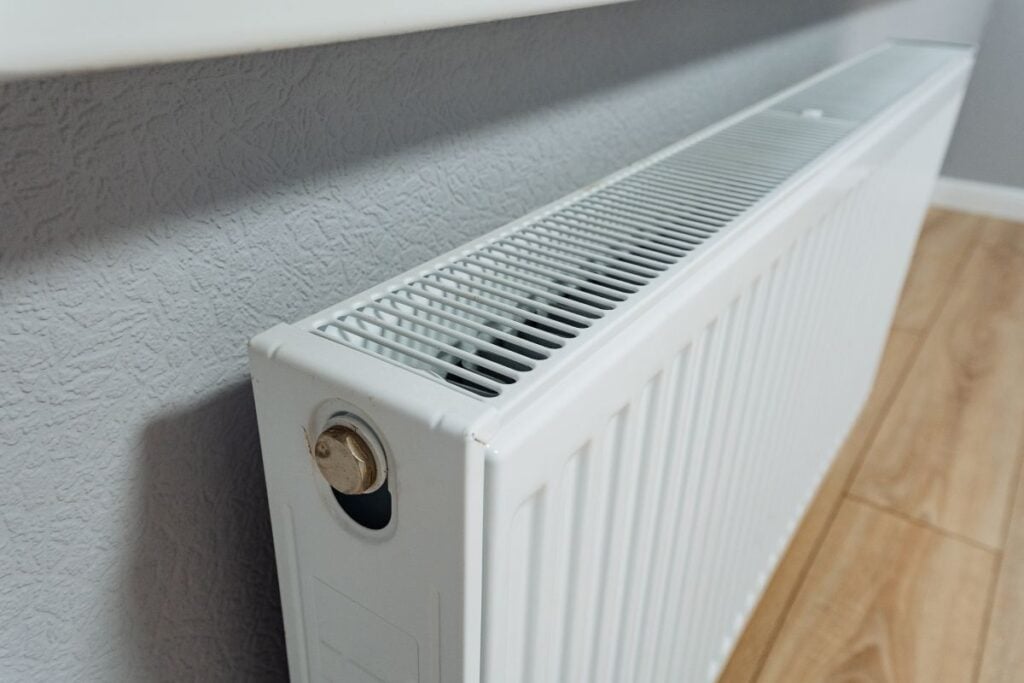
What Radiator Replacement Costs in 2026
Radiator replacement cost depends mainly on the type of unit and the labor to install it, so the figures below are planning ranges rather than quotes. Because these are national and regional averages, an in-home assessment from a local heating professional is the only way to get an accurate Twin Cities price.
The Price Range for Twin Cities Homeowners
Replacing a single home radiator typically costs between $600 and $2,500 installed, with most homeowners paying around $1,200 to $1,800 for a standard replacement. The radiator unit itself ranges from roughly $150 to $1,200 depending on type and size, while labor makes up the rest. In the Midwest, HVAC and heating labor commonly runs in the range of $75 to $150 per hour, which places Twin Cities labor costs in a moderate band compared to higher-cost coastal markets. Older St. Paul and Minneapolis homes with steam or cast-iron systems tend to land toward the higher end of these ranges.
- Per unit installed: Roughly $600 to $2,500 depending on type.
- Most homeowners: Around $1,200 to $1,800 for a standard swap.
- Midwest labor: Commonly $75 to $150 per hour here.
Why Radiator Systems Are Common Here
Hot water and steam radiator systems are especially common in the older housing stock of the Twin Cities, which is part of why this is a frequent question for Minnesota homeowners. According to the American Council for an Energy-Efficient Economy, nearly five million U.S. single-family homes are heated with hot water or steam from a boiler distributed to radiators or baseboard units, and these systems are most common in older homes in the Northeast and Midwest. That makes radiator repair and replacement a regular reality in the Twin Cities, where many homes were built during the era these systems were standard.
- Older housing stock: Radiator systems are common in Twin Cities homes.
- Midwest concentration: These systems cluster in the Northeast and Midwest.
- A frequent question: Minnesota homeowners face this cost regularly.
4 Radiator Replacement Cost Factors
Several factors determine where your radiator replacement lands within the price range, and understanding them helps you read a quote accurately. These are the main drivers of the final cost.
1. Radiator Type and Fuel
The type of radiator is the single biggest factor in your replacement cost, since steam, hot water, and electric units differ significantly in price. Steam radiators are the most expensive to replace, often running $300 to $2,500 for the unit because they may require new pipes and valves, while hot water or hydronic radiators typically cost $200 to $800 for the unit. Electric radiators fall in between and do not connect to a boiler. Matching the new unit to your existing system is essential, which is why identifying your radiator type is the first step.
- Steam: Most expensive, often $300 to $2,500 for the unit.
- Hot water: Typically $200 to $800 for the unit.
- Match the system: The new unit must fit your existing setup.
2. Size and Heat Output
A radiator’s size and heat output, measured in BTUs, directly affect its price, with larger, higher-output units costing more. A radiator sized for a large living room or an open space needs more capacity than one for a small bedroom, and that capacity comes at a higher unit price. Choosing the right size matters for both cost and comfort, since an undersized radiator will not adequately heat the room while an oversized one wastes money. A heating professional sizes the replacement to the room rather than simply matching the old unit’s dimensions.
- BTU capacity: Larger, higher-output radiators cost more.
- Room matters: Bigger spaces need more heating capacity.
- Right-sizing: Proper sizing affects both cost and comfort.
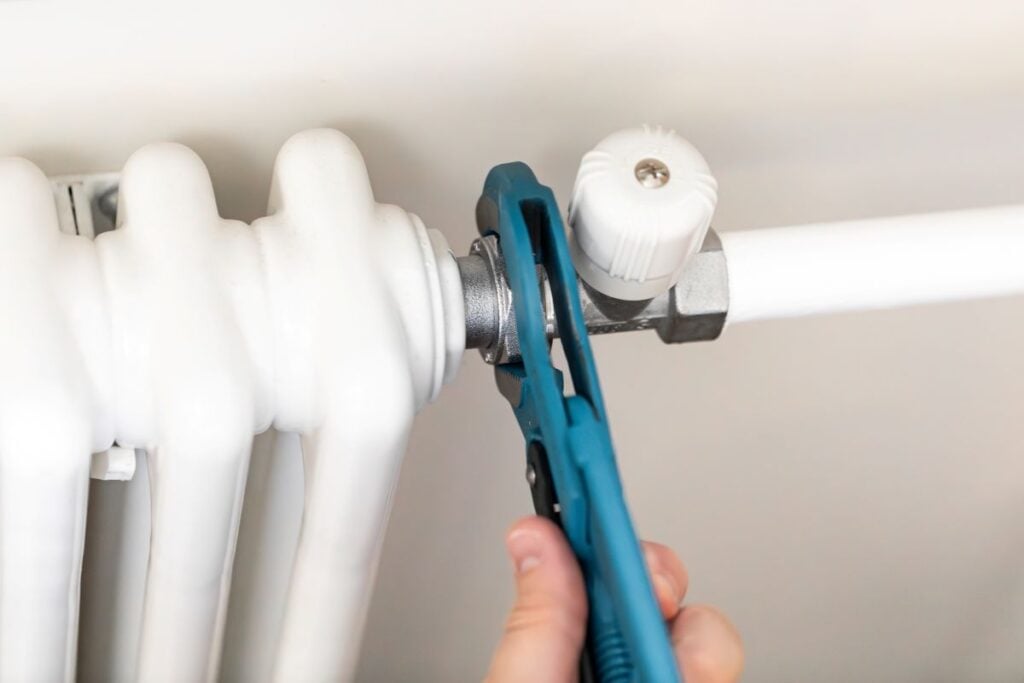
3. Labor and Installation Complexity
Labor is a major part of the total, and installation complexity can swing it significantly, especially for plumbed steam and hot water units. Replacing a radiator involves draining the system, disconnecting and reconnecting pipes, and bleeding air from the lines, which commonly takes a few hours per unit. Difficult access, corroded fittings, or the need to modify old piping all add labor time and cost. Steam systems in particular can require more work on the pipes and valves feeding the radiator, which is part of why they sit at the higher end of the range.
- Plumbed work: Draining and reconnecting pipes takes time.
- Access and corrosion: Tight spaces and old fittings add cost.
- Steam complexity: Steam units often need more pipe and valve work.
4. Number of Radiators
The total cost rises quickly when replacing multiple radiators, though the per-unit cost can drop slightly when several are done at once. A single radiator replacement is one price, but homeowners updating an aging system may replace several radiators together, and tackling them in one visit can reduce the per-unit labor somewhat. Whole-system considerations also come into play, since very old radiators often signal that the boiler itself may be aging. Weighing a few radiator replacements against a larger system upgrade is worth doing with a professional.
- Multiple units: Total cost scales with the number replaced.
- Batch savings: Doing several at once can lower per-unit labor.
- System age: Old radiators may signal an aging boiler too.
Frequently Asked Questions
Homeowners researching radiator replacement cost ask these most often. Short answers follow.
How much does it cost to replace one radiator?
Replacing a single home radiator typically costs $600 to $2,500 installed in 2026, with most homeowners paying $1,200 to $1,800. Steam radiators sit at the higher end because they may need new pipes and valves, while hot water and baseboard units cost less. Your exact price depends on type, size, and labor.
Is it worth replacing an old radiator?
Replacing a leaking, corroded, or inefficient radiator is often worthwhile, both for comfort and to avoid water damage. If several radiators are failing, it may be worth evaluating the whole heating system. A heating professional can advise whether to replace units or consider a larger upgrade.
What type of radiator is most expensive to replace?
Steam radiators are generally the most expensive to replace, often $300 to $2,500 for the unit, because they may require new pipes and valves. Hot water and hydronic radiators typically cost less, and baseboard units are usually the most affordable. The type you have largely sets your cost.
Why are radiators common in Minnesota homes?
Hot water and steam radiator systems are common in the Twin Cities because much of the housing stock dates to the era when these systems were standard. These boiler-fed systems are concentrated in older homes across the Midwest and Northeast. That makes radiator maintenance and replacement a regular reality for local homeowners.
Making a Smart Decision About Your Radiators
Replacing a radiator is a manageable cost to plan for once you know your system’s type, age, and condition, so the smartest first step is identifying whether you have steam, hot water, or electric units before you budget. Use the 2026 ranges above to set expectations, get itemized quotes from a heating contractor who specializes in hydronic and steam systems, and ask whether replacing a few failing radiators or investing in a larger system upgrade is the better long-term value for your home. Because radiator and boiler work is a specialized trade, choosing a contractor with specific hydronic experience matters as much as the price. For context on the broader shift in home heating, groups like the American Council for an Energy-Efficient Economy are covering options such as air-to-water heat pumps that work with existing radiators, worth researching if you are weighing a bigger change later.
When you have questions about your home’s heating and cooling, our technicians are glad to talk through your options in plain language with no jargon and no pressure. For help keeping your home warm and comfortable, reach out to Hoffman any time.