


Articles
Best HVAC Filter For Allergies (4 Top Rated Options 2026)
The best HVAC filter for allergies is a pleated filter rated MERV 11 to MERV 13, which captures the pollen, dust, mold spores, and pet dander that trigger symptoms while still allowing enough airflow for your system. If you or someone in your home battles sneezing, congestion, or itchy eyes, upgrading from a basic fiberglass filter is one of the simplest and most affordable ways to improve your indoor air quality and breathe easier. HVAC air filters work by trapping airborne particles before they reach the rooms where you live and sleep. The right choice depends on your allergy severity, whether you have pets, and what your system can handle. This guide compares four top-rated options for 2026 so you can pick the best filter for your Circle Pines home.
- What to look for: Understand how MERV ratings affect allergy relief.
- Four top picks: Compare the best filters for different needs and budgets.
- How to choose: Match the filter to your allergies and your system.
How Filters Fight Allergies
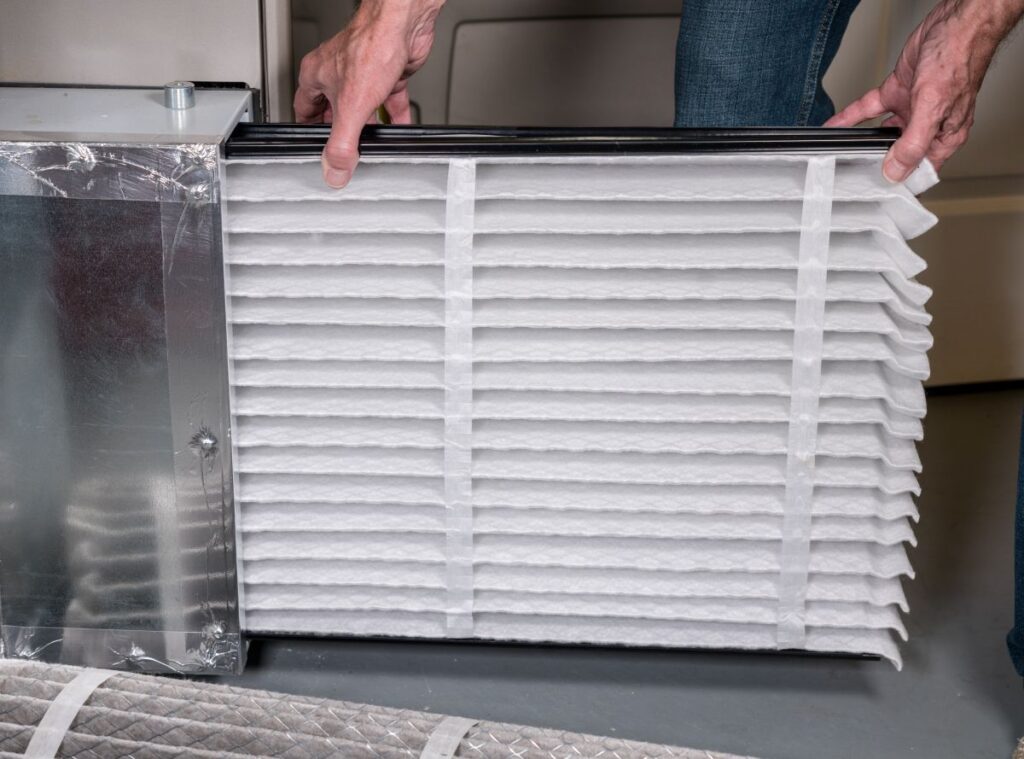
HVAC air filters and air conditioner filters reduce allergy symptoms by trapping airborne particles as your system circulates air, so they never reach your lungs. In a Minnesota home sealed against the cold for much of the year, that trapped indoor air recirculates constantly, which makes the filter your first line of defense. The key to choosing well is understanding the rating that measures how much a filter captures.
What MERV Ratings Mean for Allergy Relief
A filter’s MERV rating tells you how effectively it captures particles, and higher numbers mean better allergen control. According to the U.S. Environmental Protection Agency, the higher the MERV rating, the better the filter traps particles, and homeowners upgrading for air quality should choose at least a MERV 13 filter or as high as their system can accommodate. For allergies, the MERV 11 to 13 range hits the sweet spot for cleaner indoor air, capturing pollen, dust, and pet dander without choking airflow. Going too high for your system can strain it, so matching the filter to your equipment matters.
- Higher MERV, more capture: Bigger numbers trap smaller allergens.
- The allergy sweet spot: MERV 11 to 13 balances filtration and airflow.
- Match your system: Too high a rating can restrict airflow and strain equipment.
- Replace on schedule: Even the best filter fails once it clogs.
4 Top Rated HVAC Filters for Allergies in 2026
Each option below suits a different combination of allergy severity, household, and budget. Match the filter to your needs rather than simply reaching for the highest number.
1. MERV 11 Pleated Filter (Best for Mild Allergies and Pets)
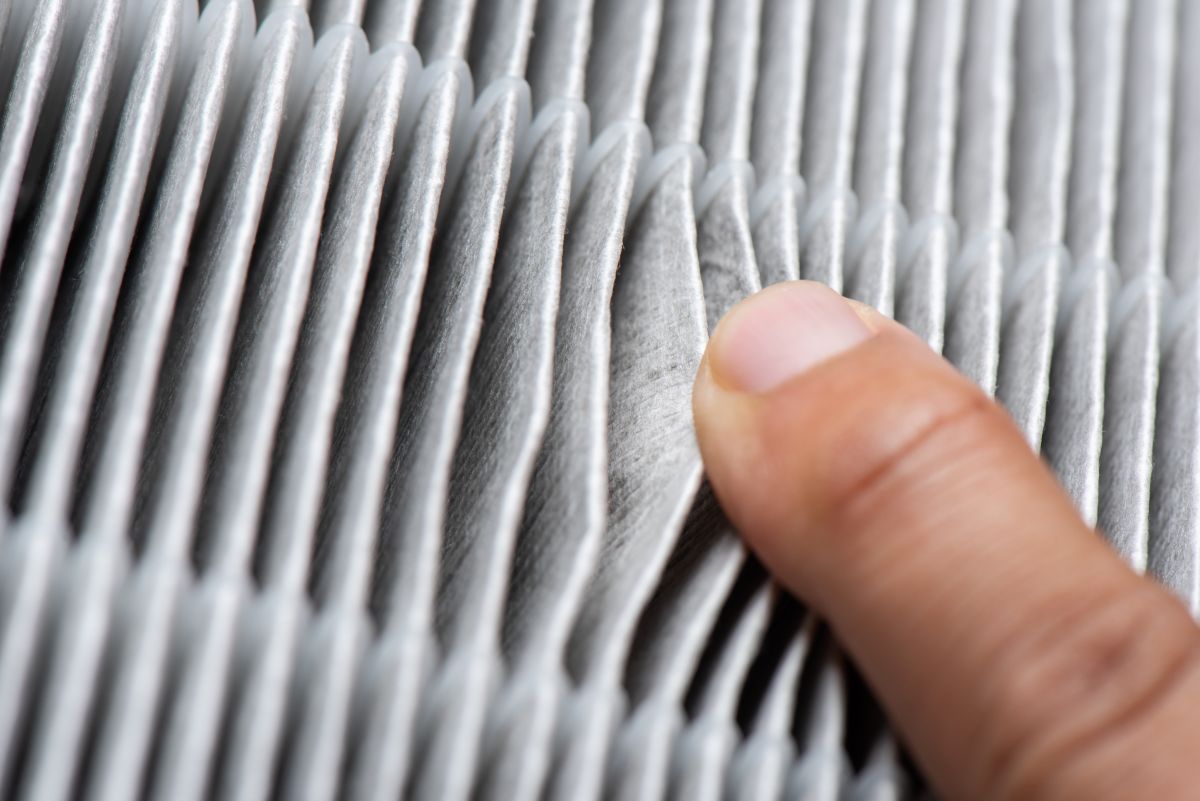
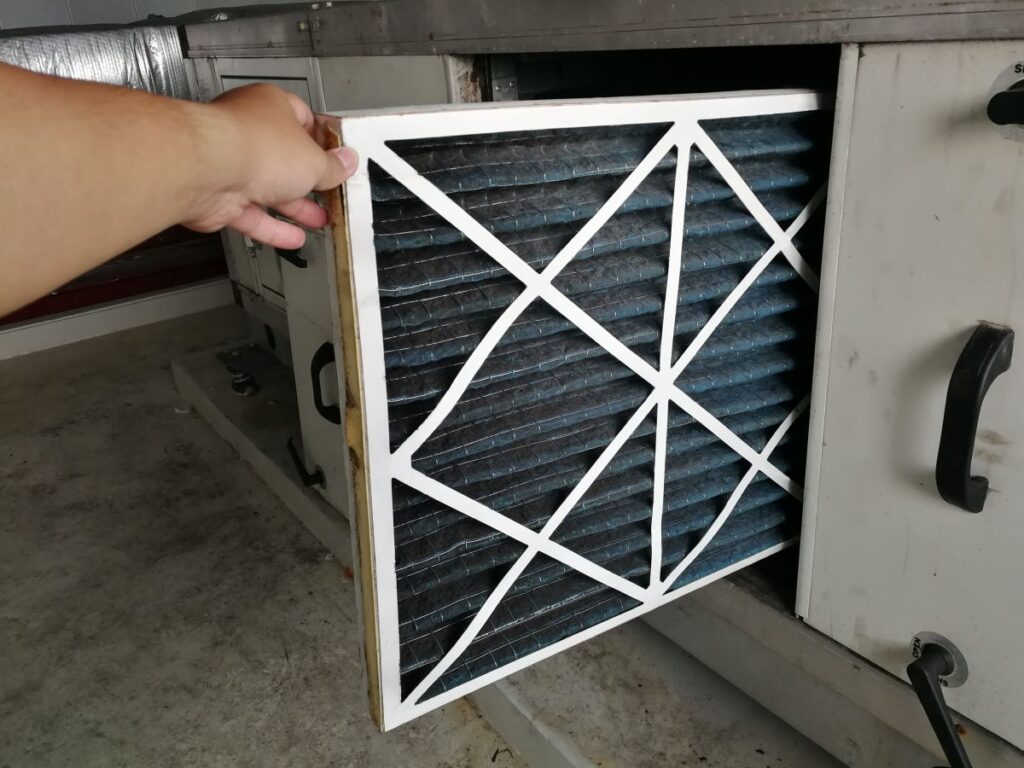
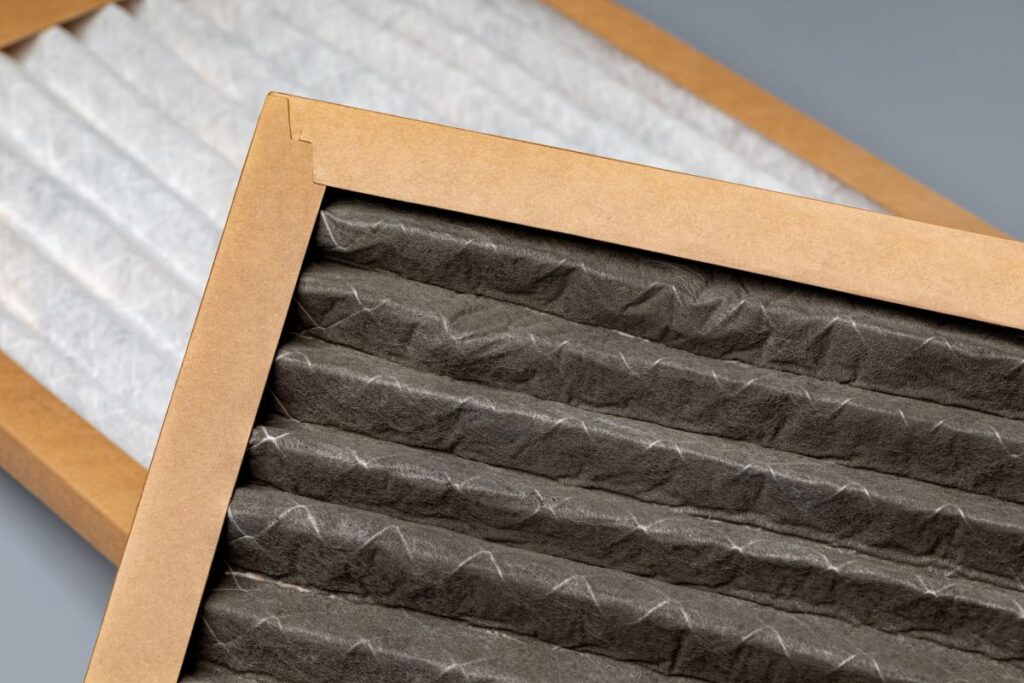
A MERV 11 pleated filter is the top pick for households with mild allergies or pets, balancing strong filtration with easy airflow. Its pleated design offers far more surface area than flat fiberglass, capturing dust, pollen, and pet dander at high efficiency while remaining gentle on your system. It works well in nearly every residential HVAC system without modification, which makes it a safe, effective upgrade for most homes. For many allergy sufferers, this is the practical starting point that delivers a noticeable improvement.
- Best for: Mild allergies, pet owners, and most standard systems.
- Captures: Pollen, dust, and pet dander at high efficiency.
- System friendly: Works in nearly any home without modification.
2. MERV 13 Pleated Filter (Best for Severe Allergies)
A MERV 13 pleated filter is the best choice for severe allergy and asthma sufferers, capturing the widest range of fine particles a home filter can handle. It traps everything a MERV 11 does plus smaller particles like smoke and finer allergens, offering maximum protection for sensitive households. Because it restricts airflow more than lower ratings, it is important to confirm your system can handle a MERV 13 before installing one. When your equipment supports it, this filter delivers the strongest allergen defense of any standard option.
- Best for: Severe allergies, asthma, and sensitive households.
- Captures: Fine particles including smoke and microscopic allergens.
- Check first: Confirm your system handles the added resistance.
3. Allergy-Certified Electrostatic Filter (Best Targeted Relief)
An allergy-certified electrostatic filter uses charged fibers to attract and hold allergens, and many carry independent asthma and allergy certification. These filters are engineered and tested specifically to reduce airborne triggers like pollen, dust mite debris, and pet dander, which appeals to homeowners who want verified performance. They typically fall in the MERV 11 to 12 range, offering strong relief while staying compatible with most systems. The certification gives added peace of mind for households where allergy control is the top priority.
- Best for: Buyers who want tested, certified allergen reduction.
- How it works: Charged fibers attract and hold fine particles.
- Compatible: Usually MERV 11 to 12 for broad system fit.
4. Washable or Whole-Home Media Filter (Best Long-Term Value)
A washable or whole-home media filter is the best long-term value, trading frequent replacement for a durable, reusable, or deep-media design. Reusable filters are cleaned rather than replaced, cutting ongoing costs, while thick whole-home media filters installed in the ductwork capture allergens for six months to a year at a time. Whole-home options in particular offer excellent filtration with minimal maintenance and are worth considering during a system upgrade. For households wanting cleaner air with less frequent attention, this category pays off over time and reduces the hassle of remembering monthly changes.
- Best for: Homeowners wanting lower upkeep and long-term savings.
- Reusable option: Washable filters cut ongoing replacement costs.
- Whole-home media: Deep filters last six months to a year.
Frequently Asked Questions
Homeowners choosing the best HVAC filter for allergies ask these most often. Short answers follow.
What MERV rating is best for allergies?
For most allergy sufferers, a MERV 11 to 13 filter offers the best balance of allergen capture and airflow. MERV 11 suits mild allergies and pet owners, while MERV 13 is better for severe allergies and asthma. Confirm your system can handle a higher rating before upgrading.
How often should I change my allergy air filter?
Change a pleated allergy filter every 30 to 90 days, and more often during peak pollen season or with pets. Higher-rated filters may need changing more frequently as they trap more particles. A clogged filter loses effectiveness and strains your system.
Are HEPA filters good for home HVAC systems?
True HEPA filters capture 99.97 percent of airborne particles but restrict airflow too much for most residential HVAC systems. For whole-home filtration, a MERV 13 filter is the practical maximum, while true HEPA air purifier filters are best used in portable room air purifiers. A technician can confirm what your system supports.
Will a better filter really reduce my allergy symptoms?
Yes, upgrading to a MERV 11 to 13 filter measurably reduces airborne allergens like pollen, dust, and pet dander throughout your home. Many people notice a difference within a couple of days. Pairing it with regular changes and good maintenance gives the best indoor air quality results.
Breathe Easier With the Right Filter and the Right Team
A better filter is the easy part, since the harder question is which rating your specific system can handle without straining, and that is worth a quick conversation with someone who knows HVAC systems. Hoffman Cooling & Heating has helped Minnesota families breathe easier for 75 years, carrying Minnesota Mechanical Contractor Bond MB005011 and a 4.8 star average across roughly 2,300 Google reviews from Circle Pines and throughout the Twin Cities. We can tell you the highest-efficiency filter your system will support, set up whole-home filtration if you want it, and explain the trade-offs in plain language with no pressure. When allergy season has you searching for relief, reach out to Hoffman and we will help you get the air in your home as clean as it can be.