


Articles
Ductless HVAC System (7 Pros, Cons & Best Options 2026)
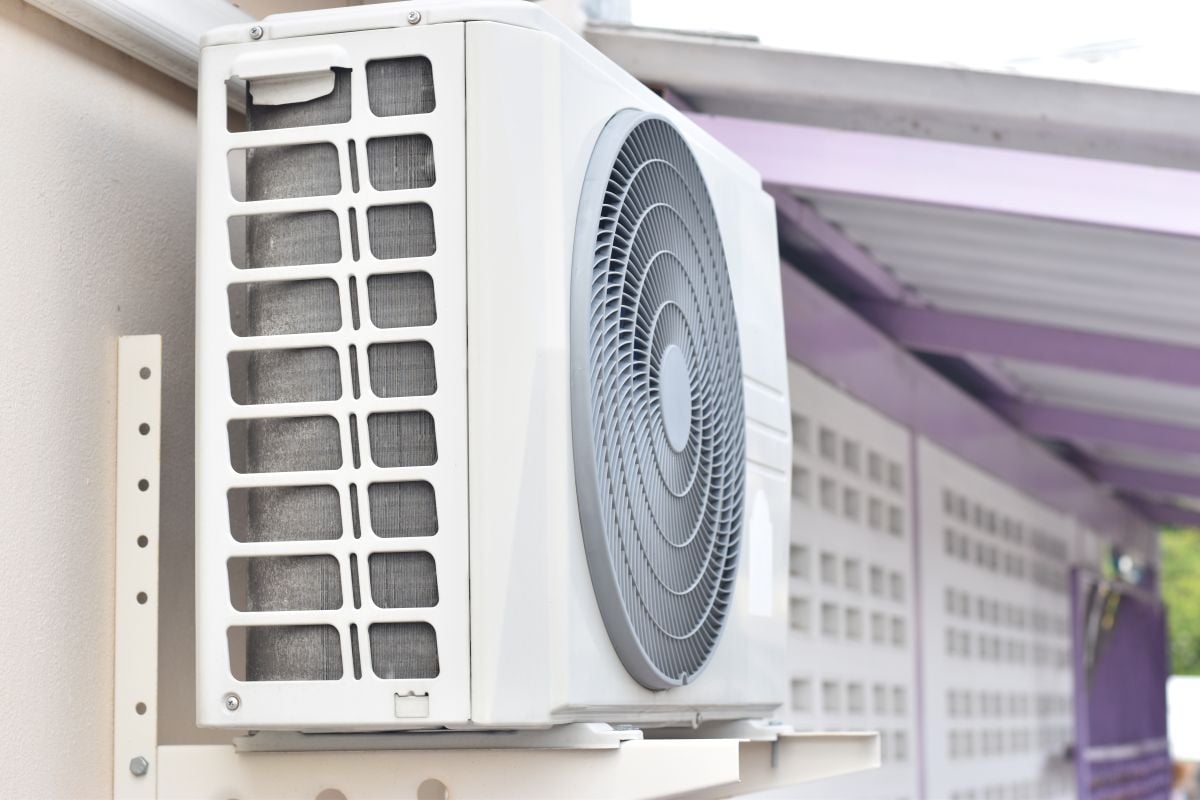
A ductless HVAC system heats and cools your home without ductwork, using an outdoor unit connected by thin refrigerant lines to one or more indoor heads on your walls or ceiling. For older Bloomington homes with radiators and no ducts, or additions and basements the central system never quite reaches, ductless is often the most practical way to add year-round comfort. But it is not right for every house, and the upfront cost surprises some homeowners. This guide covers seven honest pros and cons, the best options for 2026, and what a ductless system really costs.
- The trade-offs: Weigh seven real advantages and drawbacks before you commit.
- Best options 2026: See which brands lead for cold-climate Minnesota homes.
- Real costs: Get honest price ranges and where the money goes.
How Does a Ductless HVAC System Work?
A ductless system moves heat rather than burning fuel, delivering it to each room through refrigerant lines instead of ducts. That difference drives most of its pros and cons.
What Makes It Different From Central HVAC?
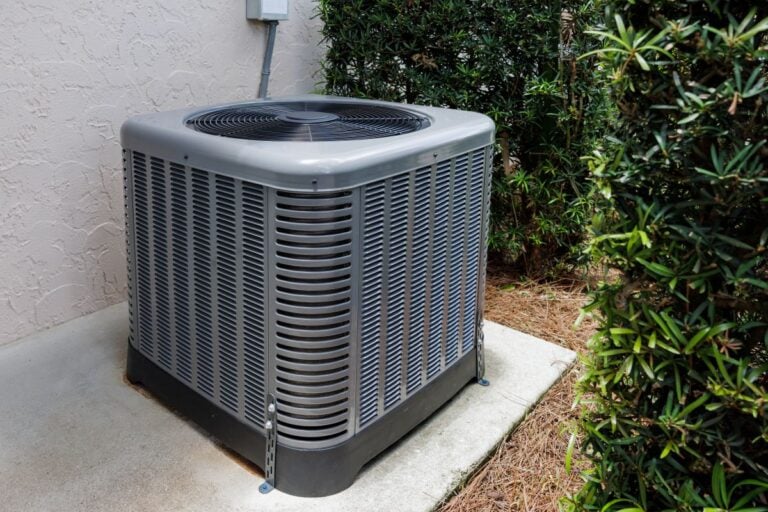
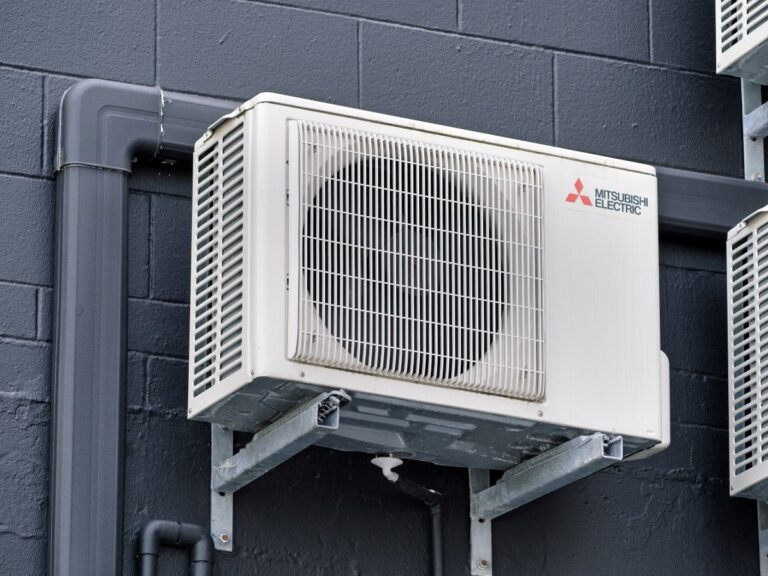
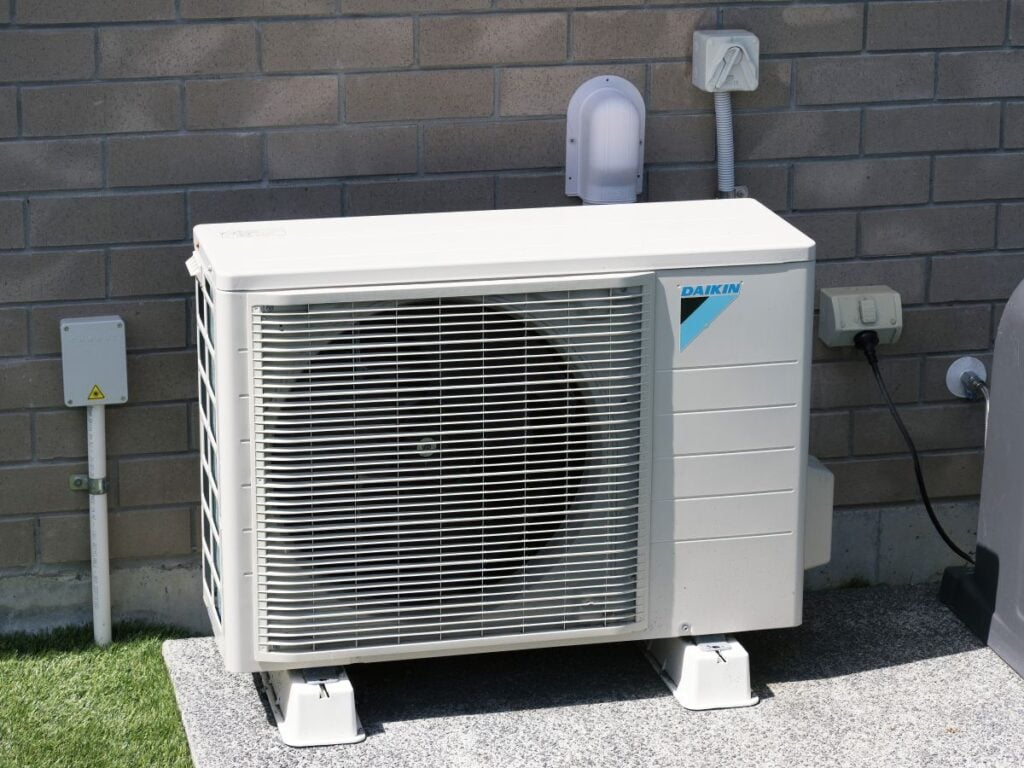
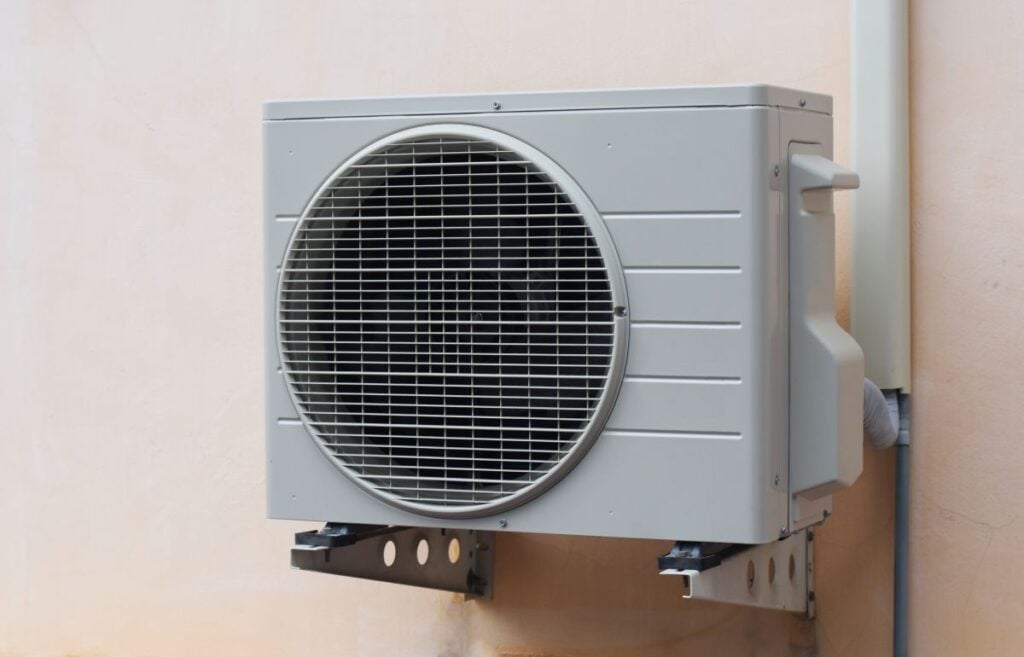
A ductless system delivers conditioned air directly from wall or ceiling units, skipping the ductwork central systems use to move air through the house. An outdoor compressor connects to each indoor head through a small line set needing only a three-inch hole in an exterior wall. Each head heats and cools its own zone independently, conditioning rooms one at a time. Because they transfer rather than generate heat, ENERGY STAR reports that certified mini splits use up to 60% less energy than standard home electric radiators.
- No ducts: Refrigerant lines replace bulky ductwork entirely.
- Zoned by design: Each indoor head controls its own room.
- Heat transfer: The system moves heat instead of burning fuel.
- Simple install: Only a small wall penetration is required.
7 Pros and Cons of a Ductless HVAC System
Every system involves trade-offs, and ductless is no exception. These seven points cover what matters most for a Minnesota home. Four are advantages and three are honest drawbacks.
1. Pro: High Energy Efficiency
Ductless systems avoid the energy central systems lose through leaky or poorly insulated ducts, one of their biggest advantages. In a typical forced-air home, a meaningful share of conditioned air escapes before it reaches the room, especially where ducts run through attics or crawlspaces. Ductless delivery skips that loss, sending heating and cooling straight to the space. Combined with inverter compressors that adjust output to demand, the result is lower energy use and steadier temperatures than older equipment manages.
- No duct losses: Air is delivered directly, not through leaky runs.
- Inverter efficiency: Variable-speed operation avoids wasteful cycling.
- Lower bills: Reduced waste shows up on monthly utility costs.
2. Pro: Room by Room Zoning
Ductless systems let you set different temperatures in different rooms, because each indoor head runs independently. A single central thermostat forces one setting on the whole house, but ductless zones end that compromise. Keep a bedroom cool for sleeping while the living room stays warmer, or condition only the rooms in use. For households that disagree on temperature, or homes with rooms that never feel right, this is the feature that sells the system.
- Independent zones: Each head holds its own temperature.
- No compromise: Warm and cool rooms coexist at once.
- Targeted comfort: Condition only the spaces you use.
3. Pro: Easier Installation Without Ductwork
Ductless systems install faster and less invasively than adding ducts, ideal for homes that never had central air. Retrofitting ductwork into an older home means opening walls and ceilings, a major and costly disruption. A ductless system needs only a mounting spot for each head and a small hole for the line set, so a straightforward job often finishes in a day or two. That makes it a strong fit for additions, garages, and older Bloomington homes with radiator heat.
- Minimal disruption: No tearing open walls for ductwork.
- Fast turnaround: Simple jobs finish in a day or two.
- Great for retrofits: Ideal where ducts were never installed.
4. Pro: Heating and Cooling in One System
Ductless systems provide both heating and cooling from the same equipment, removing the need for a separate furnace and air conditioner. A heat pump cools in summer and reverses to heat in winter, so one system covers the whole year. For a home relying on window units and electric baseboard, that consolidation is a real upgrade in comfort and simplicity. It also means one system to maintain rather than two, which many homeowners appreciate.
- Year-round use: One system handles both seasons.
- Replaces two: No separate furnace and AC required.
- Simpler upkeep: A single system to service and maintain.
5. Con: Higher Upfront Cost
Ductless systems cost more to buy and install than many conventional options, and that sticker price is the most common objection. The equipment carries a premium, and adding multiple indoor heads for whole-home coverage raises the total quickly. Federal tax credits and lower operating costs offset the investment over time, but the initial outlay is real and worth planning for. For a single room the value is clear, but whole-home coverage is a larger commitment.
- Premium equipment: Higher purchase price than basic systems.
- Adds up: Each indoor head increases the total cost.
- Offsets exist: Tax credits and energy savings reduce net cost over time.
6. Con: Visible Indoor Units
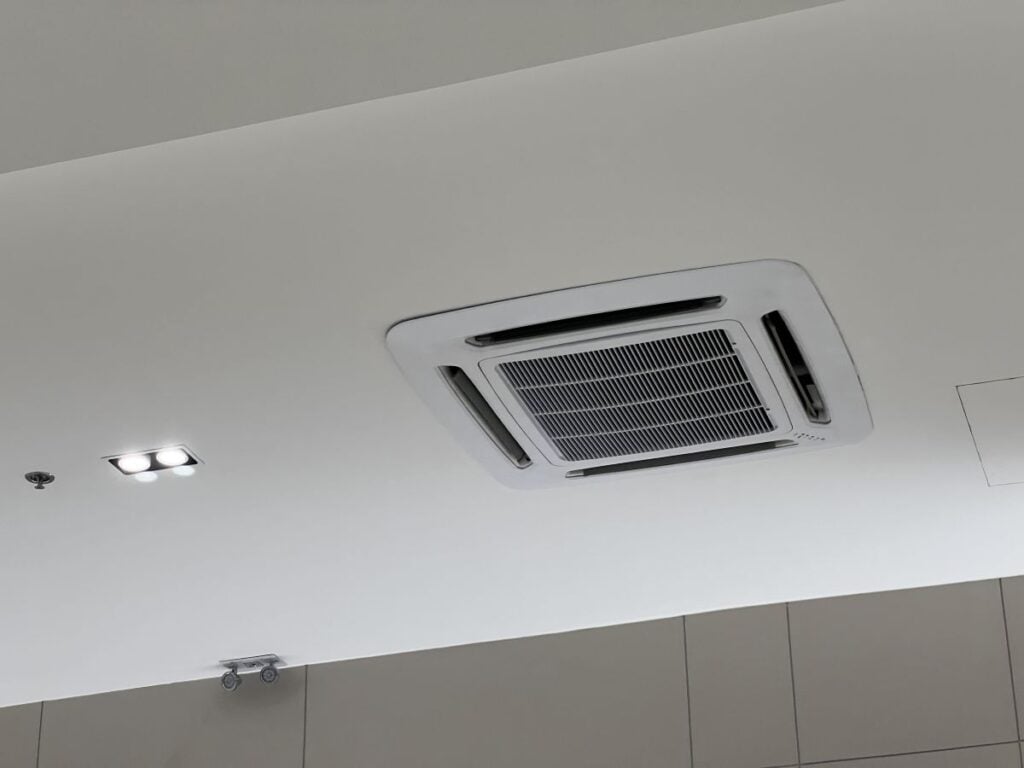
Ductless indoor heads mount on walls or ceilings and stay visible, which some homeowners dislike. Unlike hidden ducts and vents, a wall-mounted head is part of the room’s look, and larger homes may need several. Modern units are slimmer than older models, and ceiling cassette and ducted-head options can hide the equipment for a price. Still, if an uninterrupted wall is a priority, this trade-off deserves honest consideration before you buy.
- On display: Indoor heads are visible in the room.
- Multiple units: Larger homes may need several heads.
- Hidden options: Cassettes and ducted heads reduce visibility at added cost.
7. Con: Cold-Climate Performance Varies
Ductless performance in deep cold depends heavily on the model, so Minnesota buyers must choose carefully. Standard units lose heating capacity as temperatures drop, while dedicated cold-climate models keep producing heat well below zero. The wrong tier means a system that struggles in January, so model choice matters more here than in milder regions. A knowledgeable contractor will steer you toward a cold-climate unit and, when needed, a backup heat plan.
- Model dependent: Standard units weaken in deep cold.
- Cold-climate tiers: Dedicated models hold heat below zero.
- Plan ahead: A backup heat source may be recommended.
Best Ductless HVAC Options for 2026
The right brand depends on your climate, budget, and whether the system is your primary heat source. Four names lead the 2026 market for Minnesota homes.
Which Brands Lead in 2026?
Mitsubishi, Fujitsu, Daikin, and LG are the most recommended ductless brands for 2026, each with a distinct strength. Mitsubishi remains the premium cold-climate leader, with Hyper-Heat systems built for deep cold and the widest range of indoor styles. Fujitsu’s cold-climate line rates to roughly 15 degrees below zero and is prized for quiet operation. Daikin, the world’s largest HVAC maker, is a strong value and multi-zone choice, while LG offers sleek design and smart controls at a lower price.
- Mitsubishi: Premium cold-climate leader with the most model variety.
- Fujitsu: Excellent low-temperature heating and very quiet operation.
- Daikin: Strong value and multi-zone whole-home performance.
- LG: Sleek design and smart features at a competitive price.
How Much Does a Ductless HVAC System Cost?
Pricing depends on the number of zones, the model tier, and installation complexity. Treat the figures below as planning ranges, not quotes.
What Is the Real Installed Price?
A single-zone ductless system typically runs between $3,000 and $7,000 installed, while multi-zone systems for whole-home coverage climb higher with each added indoor head. Cold-climate models cost more than standard units, and difficult installations raise labor. Federal tax credits covering up to 30% of installed cost, up to $2,000 for qualifying ENERGY STAR systems, can meaningfully reduce the net price. Because the range is wide, an in-home assessment is the only way to get an accurate number for your home.
- Single zone: Roughly $3,000 to $7,000 installed.
- Multi-zone: Higher, scaling with each indoor head.
- Tax credits: Up to 30% of cost, up to $2,000 on qualifying systems.
- Get a quote: Only an in-home visit yields an accurate price.
Frequently Asked Questions
Homeowners weighing a ductless system ask these most often. Short answers follow.
How long does a ductless system last?
A well-maintained ductless system generally lasts 15 to 20 years, comparable to other quality heat pumps. Annual professional service and regular filter cleaning have the biggest effect on lifespan. Premium brands often back the compressor with a 12-year warranty when installed by a qualified contractor.
Can one outdoor unit handle a whole house?
Yes, a multi-zone outdoor unit can support several indoor heads, often up to eight depending on the model. This lets a single outdoor unit cover multiple rooms or floors. A professional load calculation determines the right configuration for your home.
Do ductless systems work in Minnesota winters?
Yes, but only cold-climate models are engineered to keep producing heat well below zero. Standard units lose capacity in deep cold, so model choice is critical here. A contractor may also recommend a backup heat source for the coldest stretches.
Is a ductless system worth it?
For homes without ductwork, additions, or problem rooms, a ductless system is often the most practical and efficient option. The upfront cost is higher, but energy savings and tax credits offset it over time. For a home with good existing ductwork, a central system may cost less.
Why Hoffman Cooling & Heating Is the Right Team for Ductless
A ductless system delivers its full efficiency and comfort only when it is correctly sized and the right model is matched to Minnesota’s climate, which is where professional guidance pays for itself. Hoffman Cooling & Heating has served Minnesota families for 75 years from our Stillwater location, holds Minnesota Mechanical Contractor Bond MB005011, and carries a 4.8 star average across roughly 2,300 Google reviews, with technicians who perform proper load calculations and explain your options in plain language, no jargon and no pressure. For homeowners across Bloomington and the Twin Cities, that mix of experience, careful sizing, and honest guidance is what turns a ductless upgrade into decades of quiet, efficient comfort. Reach out to Hoffman today to find out whether a ductless system is right for your home, and get straightforward answers from a team that is here for the long haul.