


Articles
Mitsubishi HVAC (4 Models, Costs & Performance Review 2026)
Mitsubishi HVAC has become one of the most requested ductless brands in Minnesota homes, and for 2026 the lineup is worth a fresh look. Mitsubishi Electric builds air-source heat pump systems that both heat and cool, using inverter-driven compressors that adjust output continuously instead of cycling on and off. That design earns them a reputation for quiet, efficient operation, though at a higher upfront price. This review covers the models, the real costs, and how they perform through a Woodbury winter.
- Model lineup: The four main Mitsubishi families and who each suits.
- True installed costs: Realistic 2026 ranges for single and multi zone.
- Cold climate performance: Learn how Hyper-Heat holds up when Minnesota drops below zero.
What Is Mitsubishi HVAC and How Does It Work?
Mitsubishi HVAC refers to the ductless and ducted heat pump systems built by Mitsubishi Electric to replace or supplement furnaces and air conditioners. These systems move heat rather than burn fuel, which is the root of their efficiency advantage.
How Does a Mitsubishi Mini Split Actually Work?
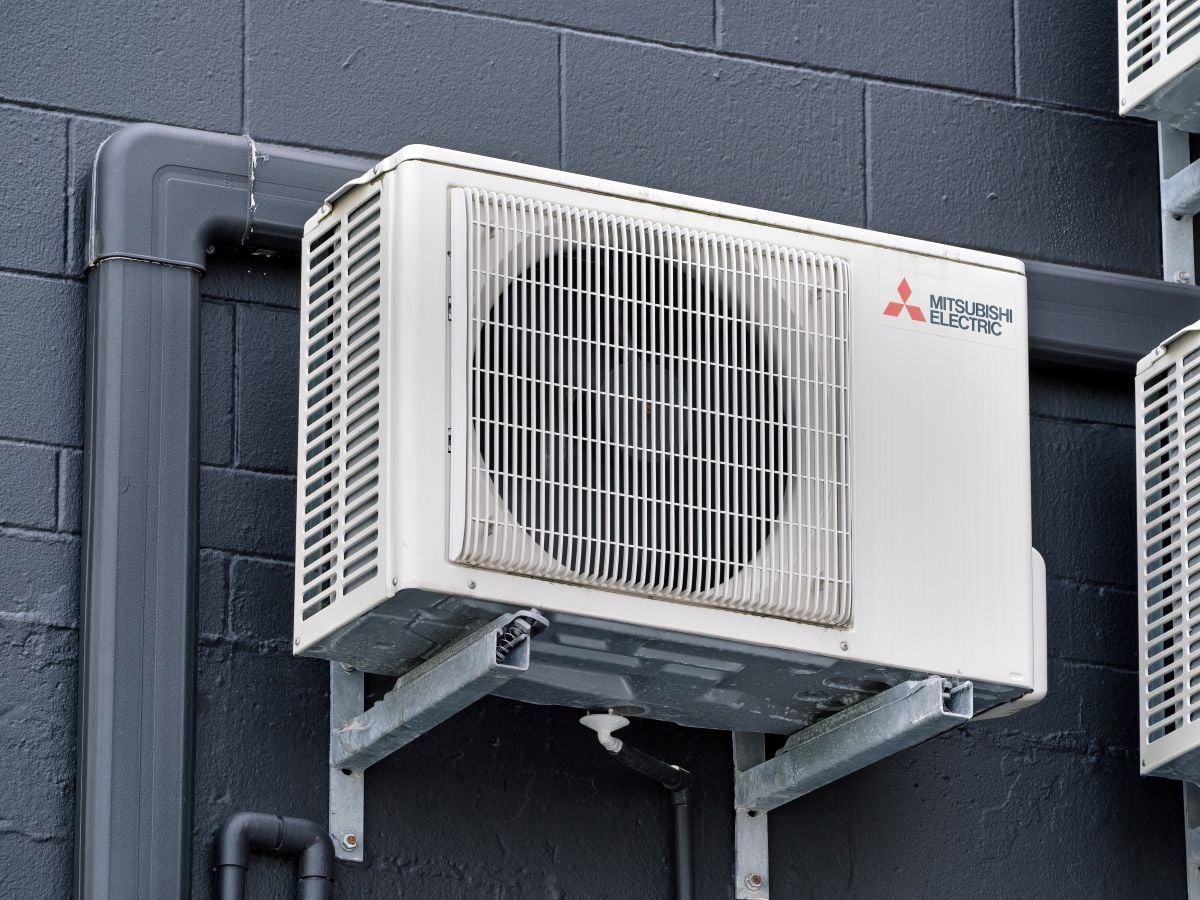
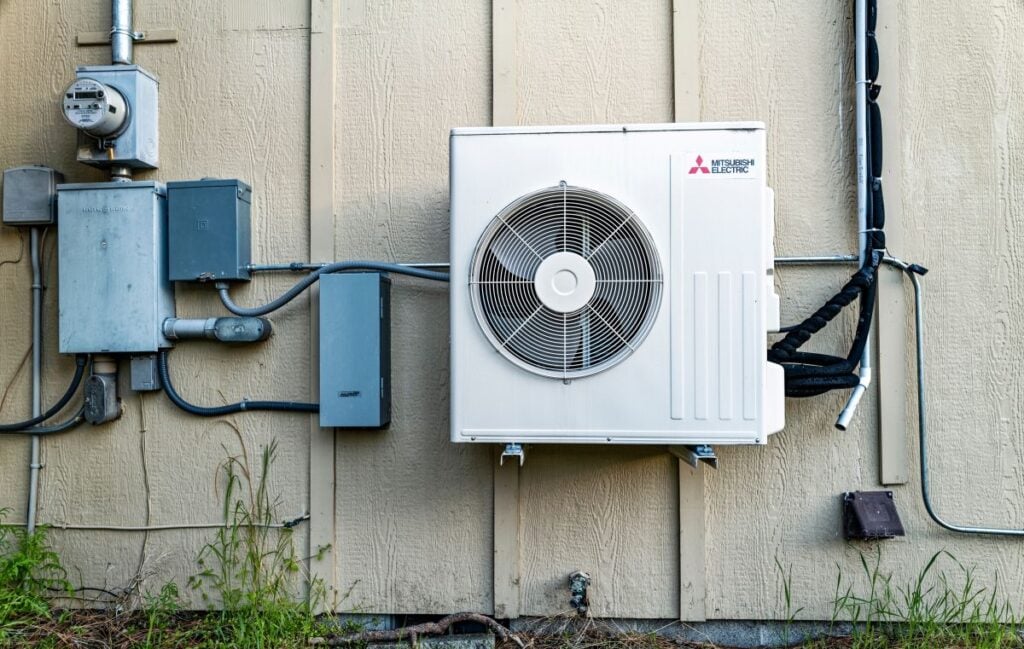
A Mitsubishi mini split moves heat between indoor and outdoor units using refrigerant, cooling your home in summer and reversing the cycle to pull warmth inside during winter. The outdoor condenser connects to one or more indoor air handlers through a small conduit, so no bulky ductwork is required. The inverter compressor is the key difference from older equipment, ramping up and down to match the exact load instead of blasting at full power and shutting off. That modulation is why these systems run quietly and hold steady temperatures.
- Refrigerant transfer: Heat is moved, not generated, saving energy.
- Inverter compressor: Variable speed avoids wasteful on and off cycling.
- Zoned comfort: Each indoor head is controlled independently by room.
- No ductwork needed: Suits older Woodbury homes without existing ducts.
4 Mitsubishi HVAC Models Worth Considering in 2026
Mitsubishi organizes its residential lineup into a few core families, each aimed at a different need and budget. The four below cover most Minnesota installations, from a single bedroom to a full home replacement.
1. M-Series MSZ-FS and GL Single Zone (The Workhorse)
The M-Series single zone units are the bread and butter of the Mitsubishi lineup and the most common choice for a single room or open living area. These wall-mounted systems pair one outdoor condenser with one indoor head, the simplest and most affordable entry into the brand. They deliver high SEER2 efficiency without the cold-climate premium, and run remarkably quietly, with some indoor units measured as low as 19 decibels on the lowest fan speed. For a bedroom, office, or sunroom, this is usually the right tier.
- Best for: A single room, home office, or open concept living space.
- Efficiency: Strong SEER2 ratings without the cold-climate premium.
- Noise level: Indoor operation as low as 19 decibels.
- Typical use: The default recommendation for most standard single zone jobs.
2. MSZ-FH Hyper-Heat H2i (The Cold Climate Specialist)
The MSZ-FH Hyper-Heating line, marked H2i, is Mitsubishi’s dedicated cold-climate product and the model most often specified for Minnesota main living areas. It is engineered to keep producing usable heat when temperatures fall far below what standard heat pumps handle, which matters when a Woodbury January dips below zero. If you want a ductless system as a true primary heat source rather than shoulder-season backup, this is the tier for the job. It carries a premium, but in this climate it earns it.
- Best for: Primary heating in cold climates where sub-zero nights are normal.
- Cold performance: Rated to continue operating in deeply sub-freezing outdoor temperatures.
- Available capacities: Common single-zone sizes span 6,000 to 18,000 BTU.
- Worth the premium: The right call for a primary heat source.
3. MXZ Multi-Zone Systems (Whole-Home Coverage)
The MXZ multi-zone systems connect several indoor heads to one outdoor condenser, the standard approach for conditioning a whole home with a single outdoor unit. One MXZ condenser can support multiple indoor air handlers, so you can cover a main floor, bedrooms, and a finished basement while keeping just one unit outside. Consider this when you want ductless comfort throughout the house rather than in a single problem room. Sizing across zones is where professional load calculation becomes essential.
- Best for: Whole-home ductless coverage from one outdoor condenser.
- Capacity: One outdoor unit can serve several independently controlled indoor heads.
- Design benefit: Fewer outdoor units means a cleaner exterior and simpler maintenance.
- Sizing note: Multi-zone jobs need a room by room load calculation.
4. SEZ Ducted and SLZ Cassette (The Hidden Option)
The SEZ ducted and SLZ ceiling cassette units deliver Mitsubishi performance without a visible wall-mounted head, for homeowners who prefer concealed equipment. The SEZ tucks into a ceiling or soffit with short duct runs, while the SLZ cassette mounts flush into the ceiling for a nearly invisible profile. Both trade a little installation simplicity for a cleaner look, and pair with the same efficient outdoor units as the wall units. They are popular in additions and finished spaces where looks matter.
- Best for: Homeowners who want the equipment out of sight.
- SEZ ducted: Hidden in a ceiling or soffit with short duct runs.
- SLZ cassette: Mounts flush into the ceiling for a discreet finish.
- Same efficiency: Performance comparable to wall units with a more finished appearance.
How Much Does Mitsubishi HVAC Cost in 2026?
Pricing depends on the number of zones, the model tier, and your home’s layout, so treat the ranges below as planning figures. A professional in-home assessment is the only way to get an accurate number.
What Is the Real Installed Cost?
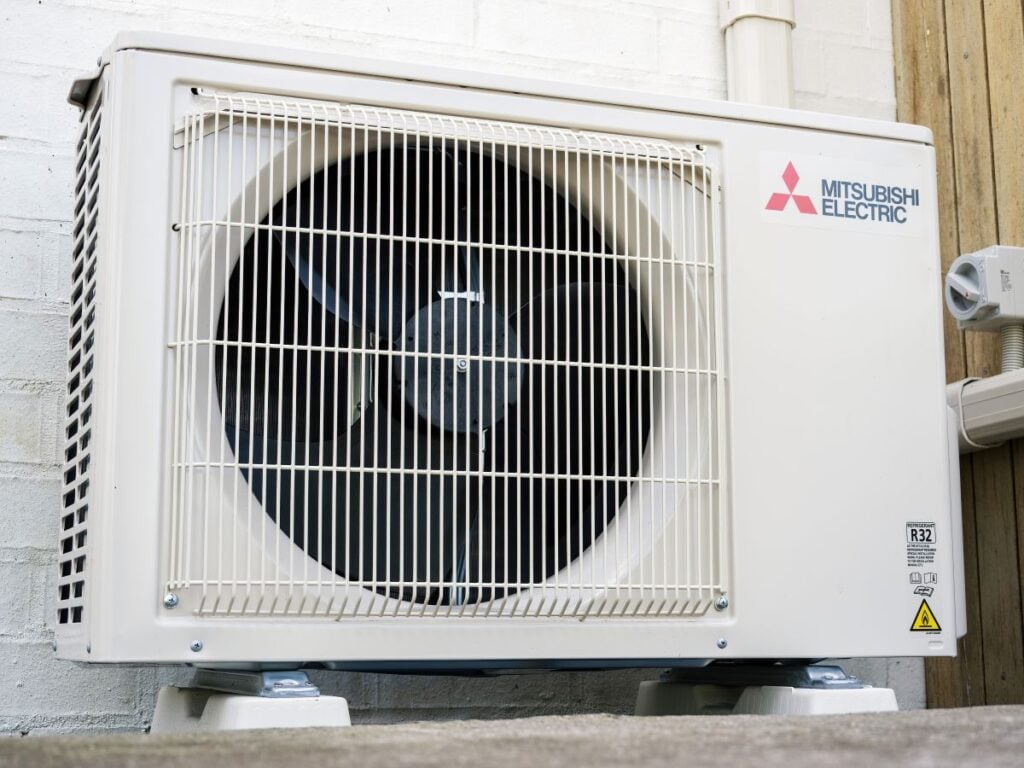
A single zone Mitsubishi mini split typically runs $3,000 to $7,000 installed, while multi-zone systems climb higher with each added indoor head. The range reflects real differences in model tier, capacity, electrical work, and complexity, and a Hyper-Heat unit costs more than a standard single zone. Because heat pumps move heat rather than generate it, the U.S. Department of Energy notes that modern air-source heat pumps can reduce your electricity use by 50% compared to furnaces and baseboard heaters. Federal tax credits of up to 30% can offset the investment further.
- Single zone: Roughly $3,000 to $7,000 installed depending on model and complexity.
- Multi-zone: Higher, scaling with each added indoor head.
- Cold-climate premium: Hyper-Heat units cost more than standard single zone models.
- Offsets available: Federal tax credits of up to 30% apply.
Are Mitsubishi Systems Worth the Premium?
Mitsubishi systems cost more upfront than many competitors, and whether the premium pays off depends on how long you stay and how hard the system works. The brand’s reputation rests on reliability, quiet operation, and a 12-year registered compressor warranty among the longest in the category. For a homeowner staying put, the mix of lower operating costs, durability, and comfort often justifies the price. For a short stay or a rarely used space, a more basic system may make more sense.
- Higher upfront cost: More expensive than budget mini split brands at purchase.
- Long warranty: A 12-year registered compressor warranty backs the investment.
- Lower running costs: Efficiency reduces monthly energy use over the system’s life.
- Best value case: Strongest for long-term homeowners and hard-working primary systems.
Frequently Asked Questions
Homeowners weighing a Mitsubishi system ask these most often. Short answers follow.
How long do Mitsubishi mini splits last?
A well-maintained Mitsubishi mini split generally lasts 15 to 20 years, similar to other quality heat pumps. Annual professional maintenance and regular filter cleaning have the biggest effect on lifespan. The registered compressor warranty runs 12 years with qualified installation.
Do Mitsubishi heat pumps work in Minnesota winters?
Yes, the Hyper-Heat H2i line is specifically engineered to produce heat in deeply sub-freezing temperatures, which is why it is the model recommended for Minnesota primary heating. Standard single zone units work well for cooling and shoulder-season heating, but the cold-climate line is the right choice when the system must carry winter on its own.
How often does a Mitsubishi system need maintenance?
Plan on one professional service visit per year, plus cleaning the washable indoor filters every few weeks during heavy use. Regular maintenance keeps efficiency high and is typically required to keep the manufacturer warranty valid. Skipping it is the most common cause of avoidable performance problems.
What is SEER2 and why does it matter?
SEER2 is the current federal efficiency rating for cooling, and higher numbers mean lower energy use. Mitsubishi single zone systems commonly range from about 18 to 35 SEER2, with premium models also earning high heating efficiency ratings. A higher rating usually costs more upfront but reduces operating costs over time.
Can I install a Mitsubishi mini split myself?
Professional installation is strongly recommended and is required to keep the full manufacturer warranty in force. These systems involve refrigerant handling and electrical work that are regulated under Minnesota code and require a licensed contractor. DIY installation also risks improper sizing, which undercuts both comfort and efficiency.
Why Hoffman Cooling & Heating Is the Team for Your Mitsubishi Installation
When you invest in a premium system like Mitsubishi HVAC, the quality of the installation matters as much as the equipment, because a poorly sized or improperly charged unit will never deliver the efficiency you paid for. Hoffman Cooling & Heating has served Minnesota families for 75 years from our Stillwater location, holds Minnesota Mechanical Contractor Bond MB005011, and carries a 4.8 star average across roughly 2,300 Google reviews, with technicians who perform proper load calculations and explain your options in plain language, no jargon and no pressure. For homeowners across Woodbury and the east metro, that combination of experience, careful sizing, and honest guidance is what turns a big-ticket purchase into decades of quiet, efficient comfort. Reach out to Hoffman today to talk through whether a Mitsubishi system fits your home, and get straightforward answers and clear options from a team that is here for the long haul.