


Articles
Heat Pump Vs Furnace (7 Costs, Efficiency & Best Choice)
In the heat pump vs furnace decision, the right choice comes down to seven factors: upfront cost, operating cost, efficiency, cold-climate performance, whether you need cooling, home setup, and rebates. A furnace burns gas to create heat and pairs with a separate air conditioner, while a heat pump moves heat and handles both heating and cooling in one system. This guide compares the two across seven factors to help you find the best choice for your Edina home, where cold-climate heat pumps have improved the math in recent years.
- True costs: Upfront and long-term costs of each system.
- Efficiency and climate: How each performs in a Minnesota winter.
- Best choice: Which system fits your home and budget.
Heat Pump Vs Furnace: The Basics
A furnace and a heat pump both keep your home warm, but they work in fundamentally different ways that drive every difference in cost and efficiency. That distinction makes the rest of the comparison clear.
How Each System Works
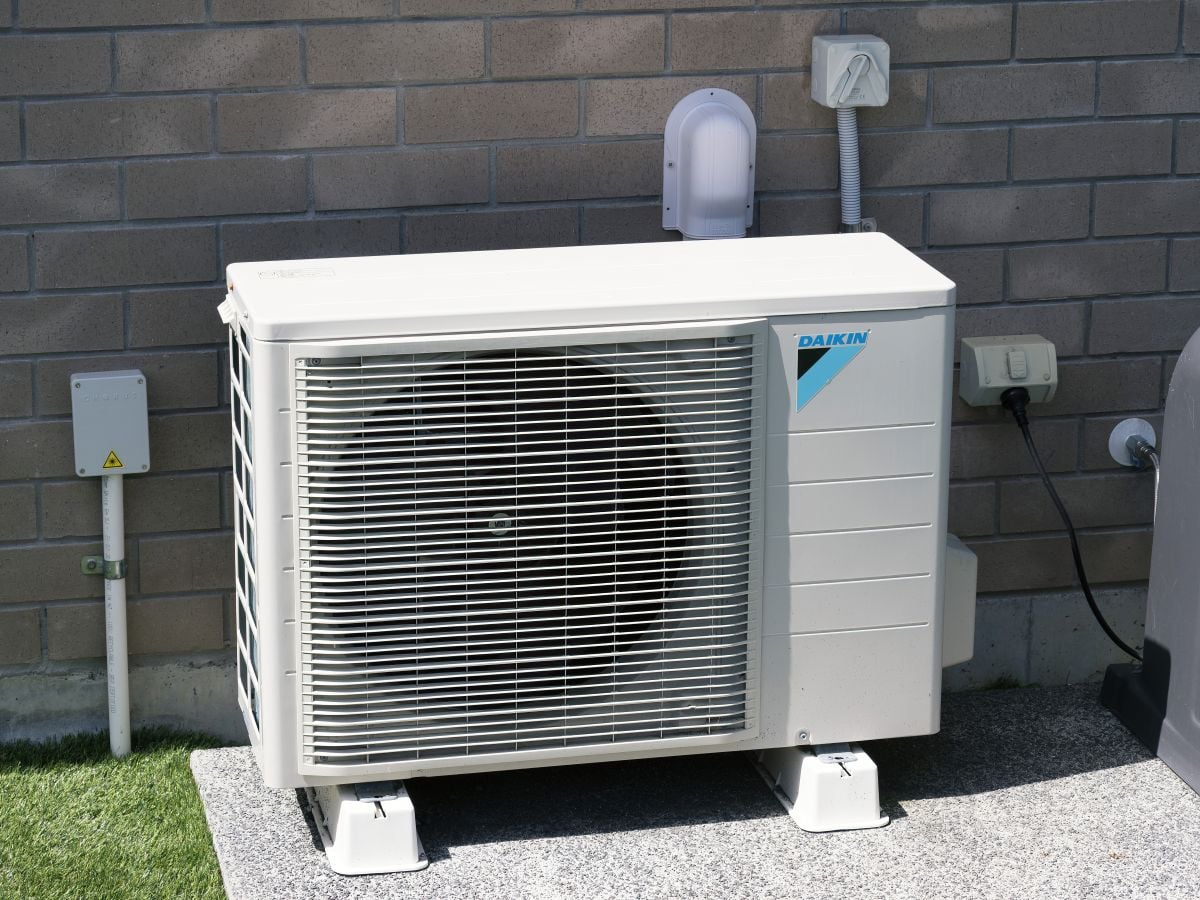
A furnace creates heat by burning natural gas, while a heat pump moves existing heat from outdoor air into your home using electricity. Because it transfers heat rather than generating it, a heat pump delivers far more energy than it consumes. According to ENERGY STAR, an air-source heat pump can deliver up to three times more heat energy to a home than the electrical energy it consumes. A furnace is limited by how efficiently it burns fuel, and this difference drives the entire comparison that follows.
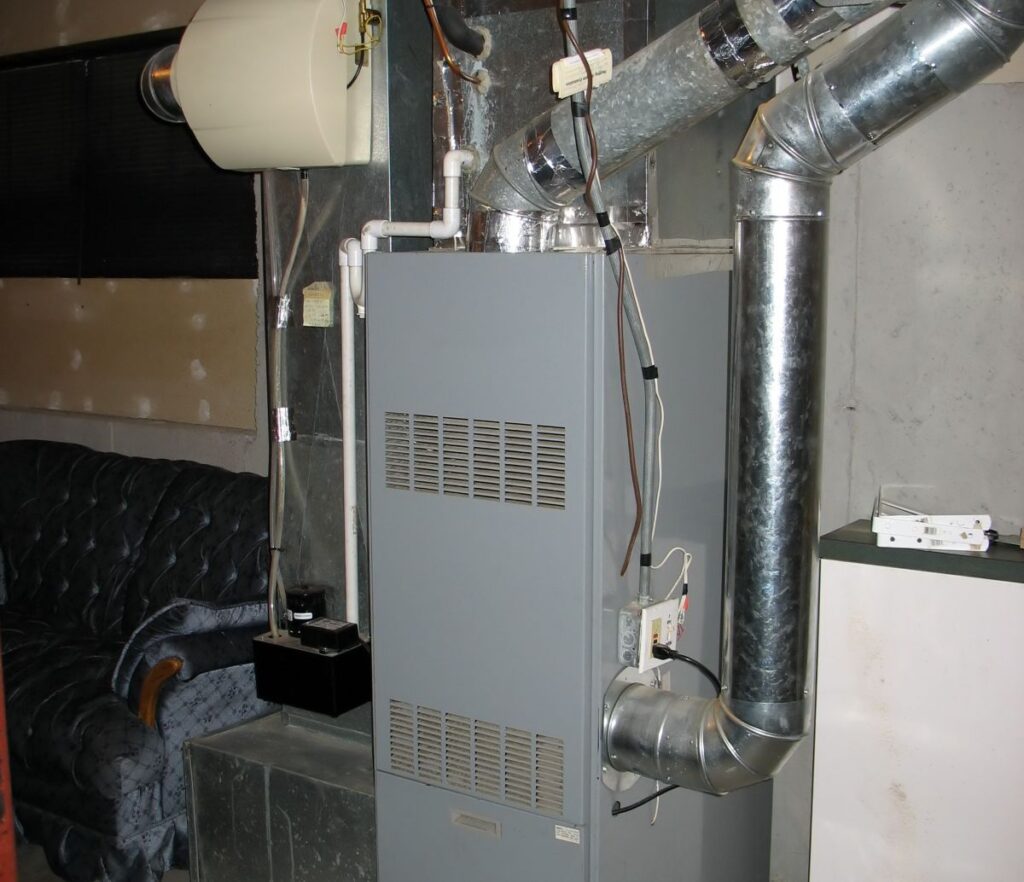
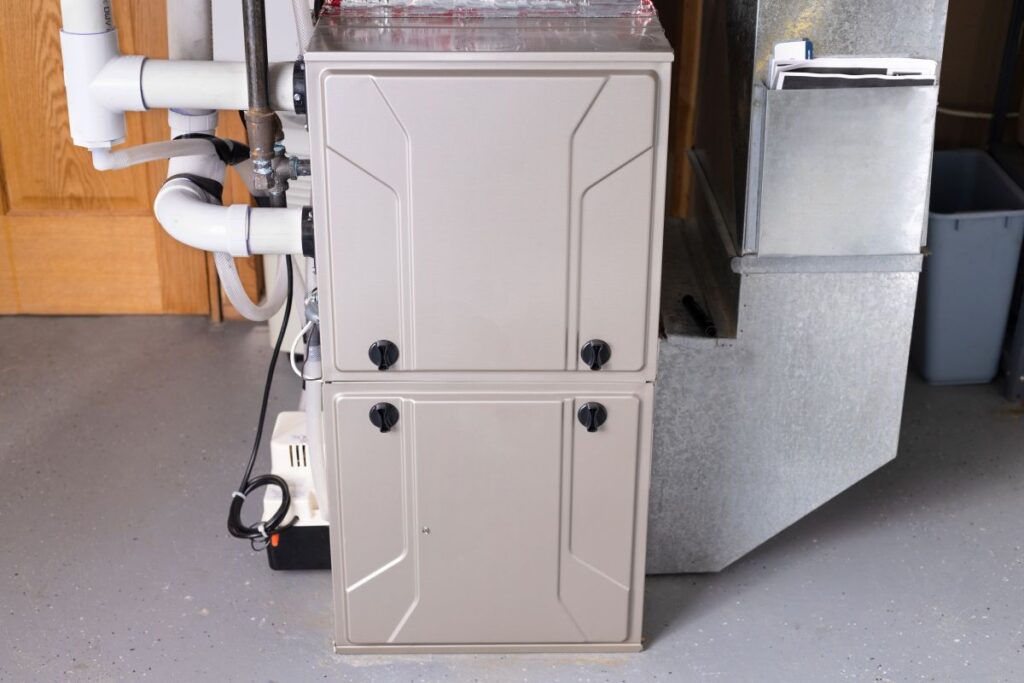
- Furnace: Burns gas to create heat, paired with a separate AC.
- Heat pump: Moves heat using electricity, heating and cooling in one.
- The key difference: Moving heat is far more efficient than burning fuel.
- The result: Efficiency drives the cost and performance comparison.
7 Factors To Compare Heat Pump Vs Furnace
Each factor below affects the total cost and comfort of your system. Weigh them together rather than any single number.
1. Upfront Installation Cost
A gas furnace generally costs less to install upfront than a heat pump, the first factor most homeowners weigh. In the Twin Cities, a mid-to-high efficiency gas furnace runs roughly $3,800 to $6,500 installed, while a cold-climate heat pump typically runs $6,000 to $12,000. The gap looks large at first, but it narrows once you remember a heat pump replaces both a furnace and an air conditioner. If you would otherwise buy a furnace plus a new AC, the real difference shrinks considerably.
- Furnace: Roughly $3,800 to $6,500 installed in the Twin Cities.
- Cold-climate heat pump: Roughly $6,000 to $12,000 installed.
- Real comparison: A heat pump replaces both a furnace and an AC.
2. Operating Cost
Operating cost depends on local energy prices, and in Minnesota the comparison is genuinely close. A high-efficiency heat pump often matches or slightly beats a high-efficiency gas furnace on annual heating cost, though the result swings with gas and electricity rates. Where a heat pump pulls ahead is that it also provides cooling, replacing what you would spend on a separate air conditioner in summer. In milder shoulder seasons it is especially economical, running at its most efficient in above-freezing temperatures.
- Close in Minnesota: Heating costs run similar between the two here.
- Cooling included: The heat pump replaces summer AC spending too.
- Shoulder-season edge: Heat pumps are most efficient above freezing.
3. Energy Efficiency
Energy efficiency is where a heat pump has a clear technical advantage, delivering more heat energy than the electricity it uses. Because it moves heat rather than burning fuel, a heat pump can reach effective efficiencies well above 100 percent, while even a top gas furnace tops out around 98 percent AFUE. That efficiency translates to dollars differently for gas versus electric heat, so the cheapest fuel in your area matters as much as the raw efficiency number.
- Heat pump advantage: Delivers more heat energy than electricity used.
- Furnace ceiling: Even the best gas furnace tops out near 98 percent.
- Fuel prices matter: Local gas and electric rates shape real savings.
4. Cold-Climate Performance
Cold-climate performance is the factor that matters most in Minnesota, and modern heat pumps have improved dramatically. Older units struggled below freezing, but today’s cold-climate models keep heating efficiently at low temperatures and continue operating well below zero. ENERGY STAR certifies cold-climate units with verified performance down to 5 degrees, and they keep working colder than that. For the coldest stretches, many Minnesota homes pair a heat pump with backup heat, the dual-fuel option covered next.
- Big improvement: Modern cold-climate heat pumps handle deep cold.
- Tested to 5 degrees: Certified performance verified at low temperatures.
- Backup for extremes: Pairing with backup heat covers the coldest days.
5. Dual-Fuel Systems
A dual-fuel system pairs a heat pump with a gas furnace, giving Minnesota homeowners the best of both. The heat pump handles heating efficiently through fall, spring, and mild winter days, then the gas furnace takes over during the coldest snaps when it becomes more economical. The system switches automatically based on temperature, always using whichever source is cheaper at the moment. For homes that already have gas service, this hybrid approach is often the smartest long-term setup.
- Best of both: Heat pump efficiency plus furnace power in deep cold.
- Automatic switching: The system picks the cheaper source by temperature.
- Great for gas homes: Ideal when you already have gas service.
6. Heating and Cooling in One
A heat pump provides both heating and cooling from a single system, which a furnace cannot do on its own. A furnace only heats, so it needs a separate air conditioner for summer, meaning two systems to buy, install, and maintain. A heat pump consolidates both into one unit, simplifying your equipment and maintenance. For homeowners replacing an aging furnace and AC at once, this is a major point in the heat pump’s favor.
- One system: Heating and cooling from a single heat pump.
- Furnace needs AC: A furnace only heats and needs a separate unit.
- Simpler setup: One system to install and maintain, not two.
7. Rebates and Incentives
Available rebates can meaningfully change the math, though the landscape shifted for 2026. The federal tax credit that offered money back on qualifying heat pumps ended for equipment placed in service after December 31, 2025, so 2026 installations do not qualify for it. However, many Minnesota utilities and state programs still offer rebates on high-efficiency heat pumps that offset a real portion of the cost. Because these programs vary, ask your contractor which local incentives apply to your system.
- Federal credit ended: The 25C credit does not apply to 2026 installs.
- Local rebates active: State and utility programs remain available.
- Ask first: Confirm which incentives apply to your equipment.
Frequently Asked Questions
Homeowners weighing heat pump vs furnace ask these most often. Short answers follow.
Is a heat pump or furnace better for Minnesota?
Both work well in Minnesota, and the best choice depends on your priorities. A gas furnace offers lower upfront cost and proven deep-cold performance, while a cold-climate heat pump adds cooling and high efficiency. Many homes choose a dual-fuel system to get the strengths of both.
Is a heat pump cheaper to run than a furnace?
In Minnesota the operating costs are close and depend on local gas and electricity rates. A high-efficiency heat pump often matches a gas furnace on heating cost while also replacing summer AC spending. Where electricity is affordable and you need cooling too, the heat pump usually wins overall.
Do heat pumps work in Minnesota winters?
Yes, modern cold-climate heat pumps are engineered to heat efficiently well below freezing and keep operating below zero. ENERGY STAR certifies cold-climate models with verified performance down to 5 degrees. For the coldest stretches, many homes add backup heat or choose a dual-fuel system.
Should I choose a heat pump or a gas furnace?
Choose a gas furnace for the lowest upfront cost if you already have one and a working AC. Choose a heat pump or dual-fuel system if you want cooling included, high efficiency, and you are replacing aging equipment. A load calculation and local rate comparison give the clearest answer.
Not Sure Which Way To Go? Let’s Run Your Numbers
The heat pump vs furnace choice comes down to your home, your energy rates, and how you weigh upfront cost against long-term efficiency, which is worth talking through with someone who installs both every week. Hoffman Cooling & Heating has guided Minnesota families through this decision for 75 years, carrying Minnesota Mechanical Contractor Bond MB005011 and a 4.8 star average across roughly 2,300 Google reviews from Edina and across the Twin Cities. We will run the real numbers for your home, walk through furnace, heat pump, and dual-fuel options in plain language, and never push you toward the pricier system. When you are ready to compare honestly, reach out to Hoffman and we will help you make the choice that fits your home.