Articles
Furnace Flame Sensor (5 Signs It’s Dirty & How To Clean It)
The furnace flame sensor is a small but critical safety device that confirms a flame is present once the gas is flowing, and when it gets dirty, it is one of the most common reasons a furnace lights and then shuts off seconds later. The good news is that a dirty flame sensor is often an easy, inexpensive fix you can handle yourself. Knowing the signs and safe cleaning steps can save you a service call. This guide explains what the flame sensor does, five signs it is dirty, and how to clean it safely in your Woodbury home.
- What it does: The sensor’s safety role, explained.
- Five signs: When a dirty sensor is the problem.
- How to clean it: The safe, step-by-step method.
What a Furnace Flame Sensor Does
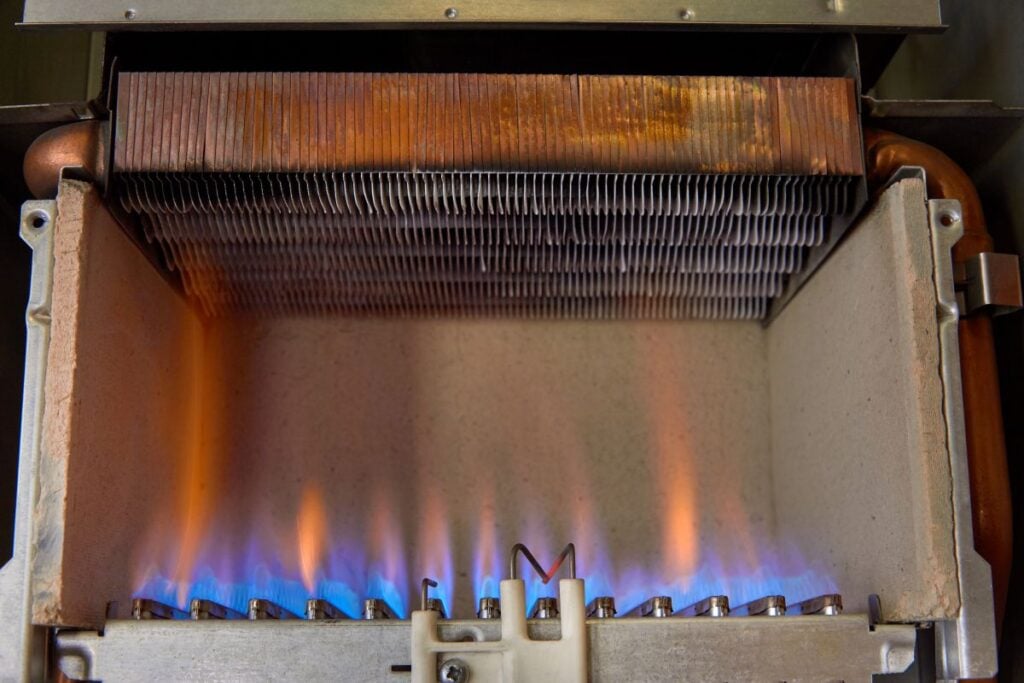
The furnace flame sensor is a thin metal rod in the burner flame that confirms combustion is happening, allowing the gas valve to stay open. Understanding its job makes the warning signs and the reason for cleaning it clearer.
The Sensor’s Safety Role
A flame sensor exists to prevent unburned gas from building up in your furnace, making it one of the most important safety components in the system. When your thermostat calls for heat, the gas valve opens and the burners ignite, and within a few seconds the sensor must confirm a flame is present. If it cannot, the control board immediately shuts off the gas valve to prevent raw gas from accumulating. Over a heating season, the sensor’s rod gradually accumulates soot that weakens its ability to detect the flame even when the burners are lit normally.
- Confirms the flame: It verifies combustion before gas keeps flowing.
- Shuts off gas: No flame detected means the valve closes fast.
- Degrades over time: Soot buildup weakens the sensor’s signal.
5 Signs Your Flame Sensor Is Dirty
A dirty flame sensor produces a distinct set of symptoms, most centered on a furnace that starts but will not stay running. Watch for these five.
1. The Furnace Lights Then Shuts Off in Seconds
The hallmark sign of a dirty flame sensor is a furnace that ignites normally, runs for just a few seconds, then shuts off. You will hear the burners light, but within about three to ten seconds it shuts down because the dirty sensor cannot confirm the flame. This is the single most recognizable symptom and points almost directly at the sensor. If your furnace fires up and then quits seconds later, a dirty sensor is the first thing to suspect.
- The pattern: Ignites, runs a few seconds, then shuts off.
- The timing: Usually within three to ten seconds.
- The clue: This symptom points almost directly at the sensor.
2. The Furnace Rapidly Cycles On and Off
A dirty flame sensor often makes the furnace try again and again, cycling on and off as it attempts to stay lit. After the sensor fails to confirm the flame and the furnace shuts down, the system waits and tries the whole sequence over, producing a pattern of repeated short cycles. Each attempt lights the burners briefly before the sensor cuts it off again. This cycling leaves your home cold and adds wear to the igniter with every failed start.
- Repeated attempts: The furnace keeps trying to stay lit.
- Short cycles: Each start ends in seconds.
- Added wear: Repeated ignition strains other parts.
3. Visible Soot or Corrosion on the Sensor
When you inspect the flame sensor, a visible coating of soot, carbon, or corrosion on the metal rod is a clear sign it needs cleaning. A healthy rod has a clean metal surface, so a dull, blackened, or crusty coating is the physical evidence behind the problems. This buildup forms an insulating layer that blocks the tiny electrical signal the sensor uses to confirm the flame. Seeing this residue confirms that cleaning the rod will likely restore normal operation.
- Look at the rod: Soot or corrosion signals buildup.
- Clean metal is healthy: A dull or black coating is the problem.
- It blocks the signal: Residue insulates the sensing rod.
4. Weak or Inconsistent Heating
A flame sensor beginning to foul can cause inconsistent heating, where the furnace sometimes runs and sometimes shuts down prematurely. As the sensor degrades, its signal may drop just below the threshold the control board needs, so the furnace works on some cycles and fails on others. You might notice the home not reaching temperature, or heat that comes and goes. This intermittent behavior often precedes a complete light-then-shutoff failure, so cleaning the sensor early can head off a no-heat situation.
- Comes and goes: Heating works on some cycles, not others.
- A warning stage: Intermittent failure often precedes full failure.
- Act early: Cleaning now can prevent a no-heat call.
5. The Problem Gets More Frequent Over Time
Because a flame sensor fouls gradually rather than failing all at once, the symptoms tend to worsen as the season goes on. What starts as an occasional shutdown can become a furnace that fails to stay lit almost every cycle as the buildup thickens. This worsening pattern points to soot accumulation rather than a sudden part failure. A sensor failing more and more frequently is a prime candidate for a cleaning, which often restores reliable operation.
- It worsens: Shutdowns grow more frequent over time.
- Gradual buildup: Fouling happens slowly, not all at once.
- A cleaning candidate: Worsening symptoms point to soot.
How To Clean a Furnace Flame Sensor
Cleaning a flame sensor is manageable if you follow the safety steps carefully, since the job involves both gas and electrical components. Work through the steps in order and stop if anything seems beyond a simple cleaning.
The Safe Step-by-Step Method
Cleaning a flame sensor safely starts with completely shutting off power and gas, then gently polishing the rod. Turn the thermostat off, shut off power at the furnace switch or breaker, and close the manual gas valve near the furnace. Remove the access panel and locate the sensor, a thin rod usually held by a single screw near the burners. Remove that screw, withdraw the sensor, and gently polish only the metal rod with fine emery cloth or steel wool until it is clean and bright, keeping abrasives off the porcelain base. Wipe it clean, reinstall it, replace the panel, and restore gas and power.
- Power and gas off: Shut both off completely before starting.
- Polish the rod only: Use fine emery cloth, avoid the porcelain.
- Reassemble and test: Reinstall, restore power, and confirm it runs.
Frequently Asked Questions
Homeowners dealing with a furnace flame sensor ask these most often. Short answers follow.
Why does my furnace light then shut off after a few seconds?
The most common cause is a dirty flame sensor that cannot confirm the burner flame, so the control board shuts off the gas within a few seconds as a safety measure. Cleaning the sensor rod often restores normal operation. If cleaning does not help, the sensor may need replacement.
How often should I clean my furnace flame sensor?
Cleaning the flame sensor once a year, ideally during a fall tune-up before the heating season, is usually enough for most homes. Homes with pets or dusty conditions, or a furnace that short cycles, may benefit from checking it more often. Avoid cleaning it unnecessarily, since over-cleaning can wear the rod.
Can I clean a furnace flame sensor myself?
Yes, cleaning a flame sensor is a common do-it-yourself task, as long as you shut off both power and gas first and handle the sensor carefully. Gently polish only the metal rod with fine emery cloth. If the furnace still shuts off after a careful cleaning, call a technician.
What should I use to clean a flame sensor?
Use fine emery cloth, fine-grit sandpaper, or light steel wool to gently polish the metal rod until it is clean and bright. Keep abrasives away from the porcelain base and wiring, and finish by wiping the rod with a clean, dry cloth. Never use a harsh abrasive that could damage the rod.
When a Clean Sensor Doesn’t Fix It, We Can Help
Cleaning a dirty flame sensor is one of the more satisfying do-it-yourself furnace fixes, but if your furnace still lights and shuts off after a careful cleaning, the cause may be a worn sensor, an igniter, or another component needing a professional. Because the flame sensor is part of a gas furnace’s safety system, the Consumer Product Safety Commission urges homeowners to have fuel-burning heating systems professionally inspected every year. Hoffman Cooling & Heating has kept Minnesota homes warm for 75 years across the Twin Cities. When a cleaning does not do the trick, reach out to Hoffman and we will get your heat running again.