Articles
Furnace Short Cycling (5 Causes, Fixes & When To Call A Pro)
Furnace short cycling is when your furnace turns on and off too frequently, running for only a few minutes at a time instead of completing a full, steady heating cycle. It is more than an annoyance, since all that stopping and starting drives up energy bills, wears out components, and leaves rooms unevenly heated. The causes range from simple placement issues you can address yourself to mechanical problems that need a technician. This guide explains five common causes of furnace short cycling, the fixes worth trying, and when it is time to call a pro in your Brooklyn Center home. If your furnace is not heating at all rather than cycling, our guide to a furnace that will not heat covers that separately.
- Understand the pattern: Learn what short cycling is and why it matters.
- Find the cause: Work through five common triggers in order.
- Know when to call: Recognize the issues that need a professional.
What Furnace Short Cycling Is and Why It Matters
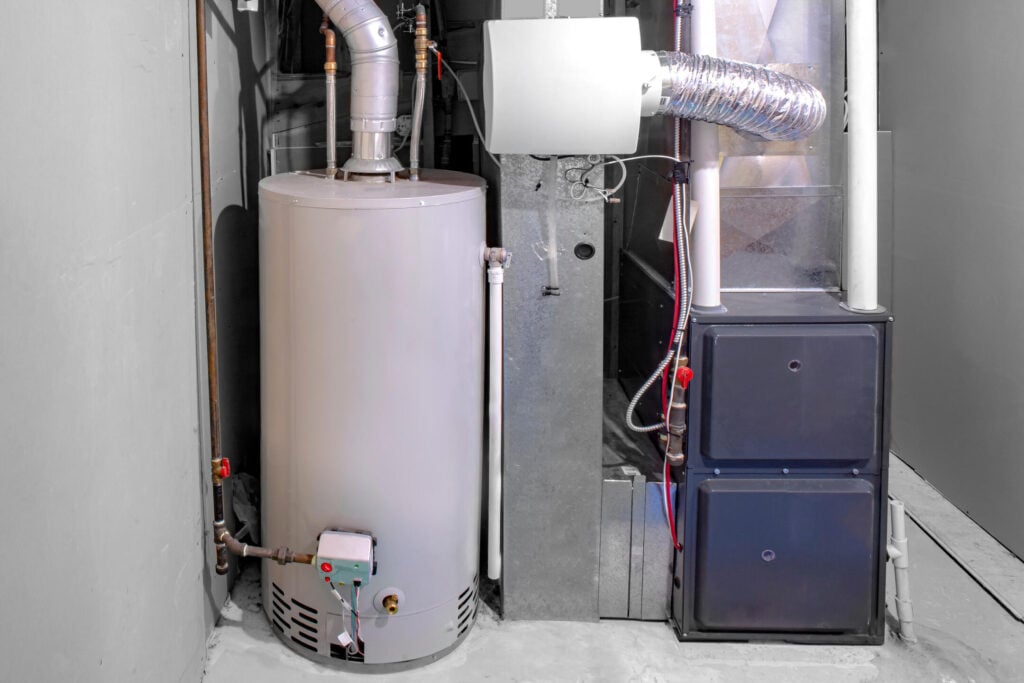
Furnace short cycling means the system completes a heating cycle too quickly and restarts too often, typically running only a few minutes before shutting off. Understanding the pattern helps you tell a real problem from normal operation.
Normal Cycling vs. Short Cycling
A healthy furnace runs in steady cycles of roughly ten to fifteen minutes, so a furnace that fires for only two to five minutes and then restarts soon after is short cycling. Normal furnaces cycle more often in extreme cold, which is expected, but frequent, brief cycles in ordinary weather signal a problem. The consequences add up quickly, since the highest energy use and component wear happen at startup, so a furnace that starts far more often than it should wastes energy and ages faster. Catching the pattern early protects both your comfort and your equipment.
- Normal cycle: Roughly ten to fifteen minutes of steady running.
- Short cycle: Only a few minutes before shutting off and restarting.
- Why it matters: Startup drives the most wear and energy use.
5 Causes of Furnace Short Cycling
Each cause below includes what to look for and what you can do about it. They range from simple fixes to issues that call for a technician, so work through them in order.
1. An Oversized Furnace
The most common structural cause of short cycling is a furnace that is simply too big for the home it heats. An oversized furnace produces heat faster than the house needs it, satisfies the thermostat in just a few minutes, and shuts off, then repeats the pattern all day. According to ENERGY STAR, certified gas furnaces in the northern United States are up to 18 percent more energy efficient than baseline models and can save about $160 a year, but any furnace only reaches its rated efficiency when it runs in long, steady cycles rather than short bursts. If your furnace has always short cycled since installation, oversizing is the likely culprit, and correcting it means replacing the unit with a properly sized one.
- The telltale sign: Short cycling that has happened since day one.
- Why it happens: Too much heat output for the home’s actual need.
- The fix: A professionally sized replacement, often a modulating unit.
2. Restricted Airflow From Blocked Vents and Returns
When airflow through the home is choked off, the furnace overheats and shuts down on its safety limit, producing a short cycle. Closed or blocked supply registers, furniture or rugs covering return grilles, and undersized or crushed ductwork all starve the system of the airflow it needs to carry heat away from the heat exchanger. When too little air moves through, the furnace gets too hot and the safety control shuts it down before it finishes the cycle. Walk through your home and make sure vents and returns are open and unobstructed, which is a fix you can handle yourself.
- Open the vents: Keep supply registers and return grilles clear.
- Move obstructions: Furniture and rugs should not cover airflow.
- Duct problems: Crushed or undersized ducts need a professional.
3. Poor Thermostat Placement
A thermostat installed in the wrong spot misreads your home’s temperature and shuts the furnace off too soon, creating a short cycle. If the thermostat sits in direct sunlight, near a supply vent, above a lamp or other heat source, or on a poorly insulated exterior wall, it senses a false warm reading, tells the furnace the room is up to temperature, and cuts the cycle short. This is different from a thermostat that simply needs new settings, since the problem is where it is located rather than how it is programmed. Relocating a badly placed thermostat usually requires a technician.
- Watch for false heat: Sunlight or nearby heat skews the reading.
- Check the location: Vents and exterior walls cause misreads.
- The fix: Relocating the thermostat is a job for a pro.
4. A Clogged Flue or Exhaust Vent
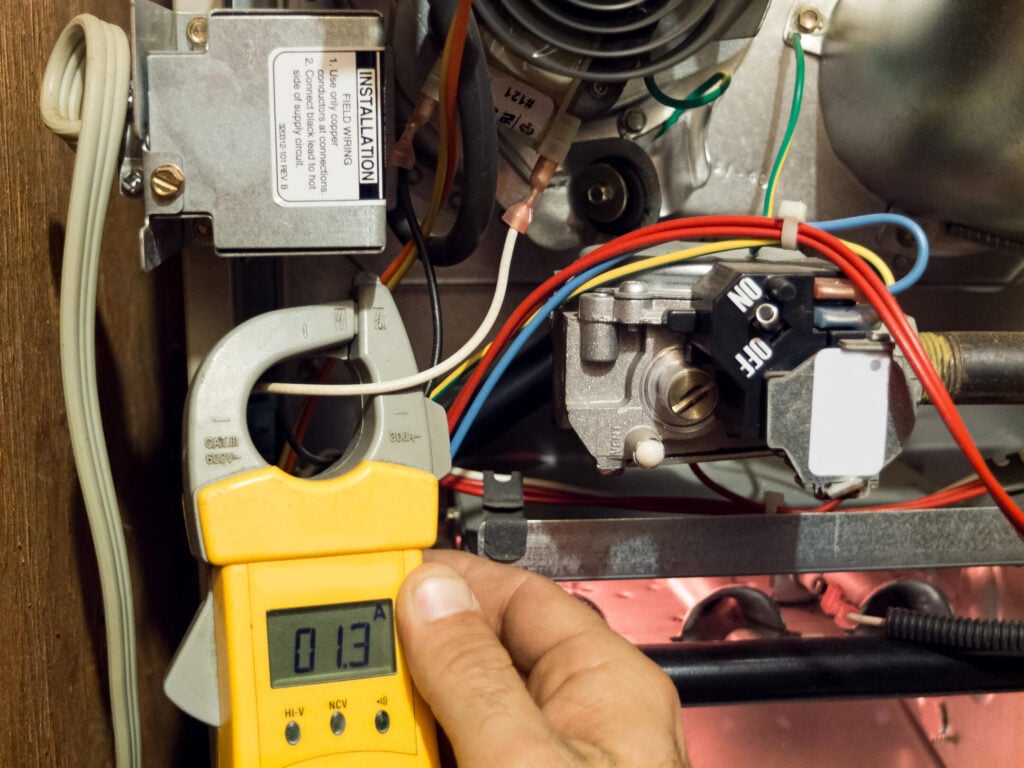
A blocked flue or exhaust vent trips the furnace’s pressure safety switch, shutting the system down mid-cycle as a protective measure. Modern furnaces use a pressure switch to confirm that combustion gases are venting properly, and if the flue or exterior vent pipe is blocked by debris, a bird’s nest, ice, or snow, the switch senses the problem and stops the furnace to prevent dangerous gases from backing up. You can safely check that exterior vent pipes are clear of snow and debris, but a blockage deeper in the flue, or a faulty pressure switch, is work for a licensed technician.
- Safety first: The pressure switch stops unsafe venting.
- Check outside: Clear snow and debris from exterior vent pipes.
- Call a pro: Interior blockages and switch faults need service.
5. A Dirty Flame Sensor
A dirty flame sensor makes a furnace light, run briefly, then shut off and try again, which is a classic short-cycling pattern. The flame sensor is a safety device that confirms a flame is present once the gas is flowing, and when it becomes coated in soot or corrosion, it can no longer detect the flame reliably. The furnace responds by shutting off the gas as a precaution, then attempting to relight, cycling repeatedly. Cleaning or replacing a flame sensor is a common, affordable repair, but because it involves the burner assembly and gas components, it should be handled by a professional.
- The pattern: The furnace lights, runs briefly, then shuts off.
- The cause: Soot or corrosion blinds the flame sensor.
- The fix: Professional cleaning or sensor replacement.
Frequently Asked Questions
Homeowners dealing with furnace short cycling ask these most often. Short answers follow.
Why does my furnace keep turning on and off?
A furnace that keeps turning on and off is short cycling, most often from an oversized unit, restricted airflow, poor thermostat placement, a blocked flue, or a dirty flame sensor. Start by confirming vents and returns are open and exterior vents are clear. If the pattern continues, call a technician.
Is furnace short cycling dangerous?
Short cycling itself is usually a sign of a problem rather than an immediate danger, but some causes, like a blocked flue tripping the pressure switch, involve safety systems you should not ignore. It also wears out your furnace faster. Have persistent short cycling diagnosed promptly.
Can short cycling damage my furnace?
Yes, because the highest wear and energy use happen at startup, frequent cycling puts extra strain on the igniter, blower motor, and heat exchanger over time. Left unaddressed, it shortens the furnace’s lifespan. Fixing the underlying cause protects your equipment.
How do I stop my furnace from short cycling?
Start with what you can check safely: open blocked vents and returns, clear snow and debris from exterior vent pipes, and confirm the thermostat is not in direct sunlight or near a heat source. If those do not resolve it, the cause is likely mechanical and needs professional furnace repair.
When Short Cycling Won’t Stop, We Can Help
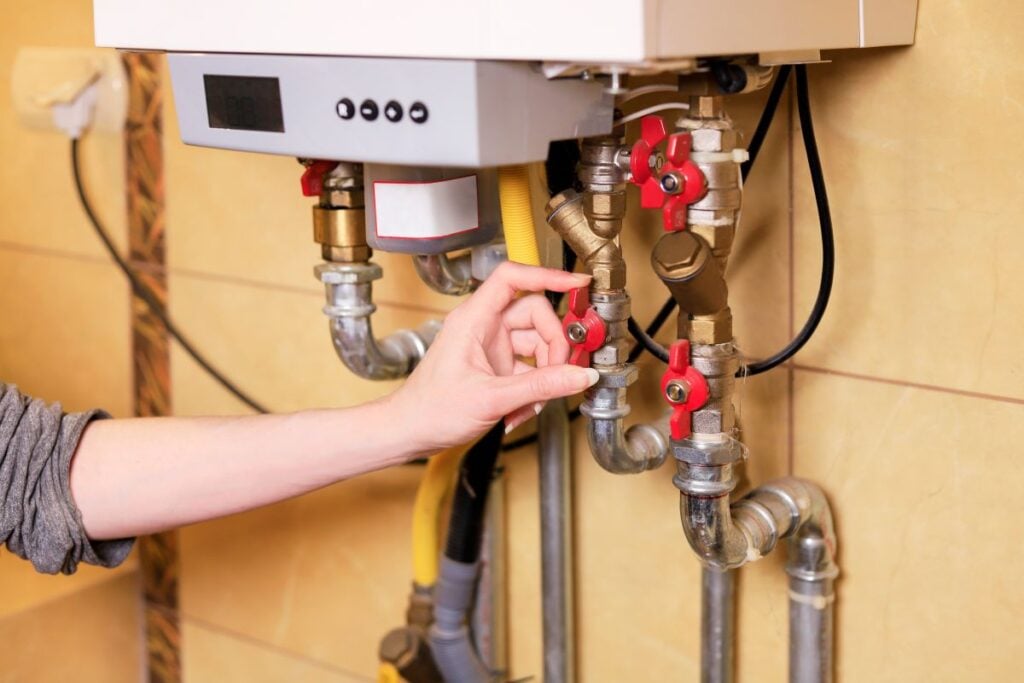
Some causes of furnace short cycling, like clearing a blocked vent or an obstructed return, are easy to handle yourself, but an oversized furnace, a misplaced thermostat, a flue blockage, or a dirty flame sensor all call for trained hands and the right tools. Hoffman Cooling & Heating has kept Minnesota homes warm for 75 years. Our technicians track down why your furnace is short cycling and fix the real cause, not just the symptom, in plain language with no jargon and no pressure. When your furnace will not stop cycling, reach out for professional furnace repair and we will get it running right again.