


Articles
Furnace Not Heating (6 Causes, Fixes & When To Call A Pro)
A furnace not heating is one of the most stressful problems a Minnesota homeowner can face, especially when the temperature outside is dropping fast. The good news is that several of the most common causes are simple, safe to check, and sometimes fixable in a few minutes without any tools. Others point to a mechanical or safety issue that belongs in the hands of a licensed technician. Knowing the difference protects both your home and your wallet. Below are six common reasons a furnace stops producing heat, the fixes worth trying yourself, and the clear signs it is time to call a pro in Lakeville.
- Simple causes first: Learn the quick checks that solve many no-heat problems.
- Safe DIY fixes: See what you can safely handle on your own.
- When to call a pro: Recognize the issues that require a licensed technician.
Why Is My Furnace Not Heating?
A furnace can stop heating for reasons as simple as a thermostat setting or as serious as a failed safety component. Working through the likely causes in order helps you find the fix fast.
Where Should You Start Troubleshooting?
Start troubleshooting with the simplest and safest checks before assuming the worst, because many no-heat calls trace back to minor issues. Confirm the thermostat is set to heat and above room temperature, check that the furnace power switch and breaker are on, and look at your air filter. These take only a few minutes and resolve a surprising share of problems. If none of them restores heat, the cause is likely mechanical, and the sections below walk through the most common culprits in order.
- Check the thermostat: Confirm it is on heat and set above room temperature.
- Check the power: Make sure the furnace switch and breaker are on.
- Check the filter: A clogged filter is a frequent, easy-to-miss cause.
- Then go deeper: If basics fail, move to the mechanical causes below.
6 Common Causes and Fixes
Each cause below includes what to look for and what you can safely do about it. Some are simple fixes, while others are your signal to call a professional.
1. Thermostat Problems
Thermostat issues are the most common and most easily fixed reason a furnace stops heating. The thermostat may be set to the wrong mode, programmed to an outdated schedule, or simply out of battery power. Set it firmly to heat, raise the temperature several degrees above the current room reading, and replace the batteries if it has them. If the screen is blank or unresponsive, dead batteries or a tripped circuit are the usual causes, and both are easy to rule out before you look any further.
- Wrong setting: Confirm heat mode and a temperature above the room’s.
- Dead batteries: Replace them if the display is blank.
- Easy first step: This fix requires no tools and only a minute.
2. A Dirty or Clogged Air Filter
A clogged filter is one of the most frequent and preventable causes of a furnace that will not heat properly. When the filter is packed with dust, it chokes airflow, which can cause the furnace to overheat and shut itself off on a safety limit. Pull the filter out and hold it to the light. If light does not pass through, replace it with the correct size. Regular annual professional service catches problems like this early, and the CDC recommends having your heating system serviced by a qualified technician every year.
- Check for light: If none passes through, the filter is due.
- Replace, don’t clean: Use the correct size disposable filter.
- Prevents shutdowns: A clean filter avoids overheating and safety trips.
3. Pilot Light or Ignition Failure
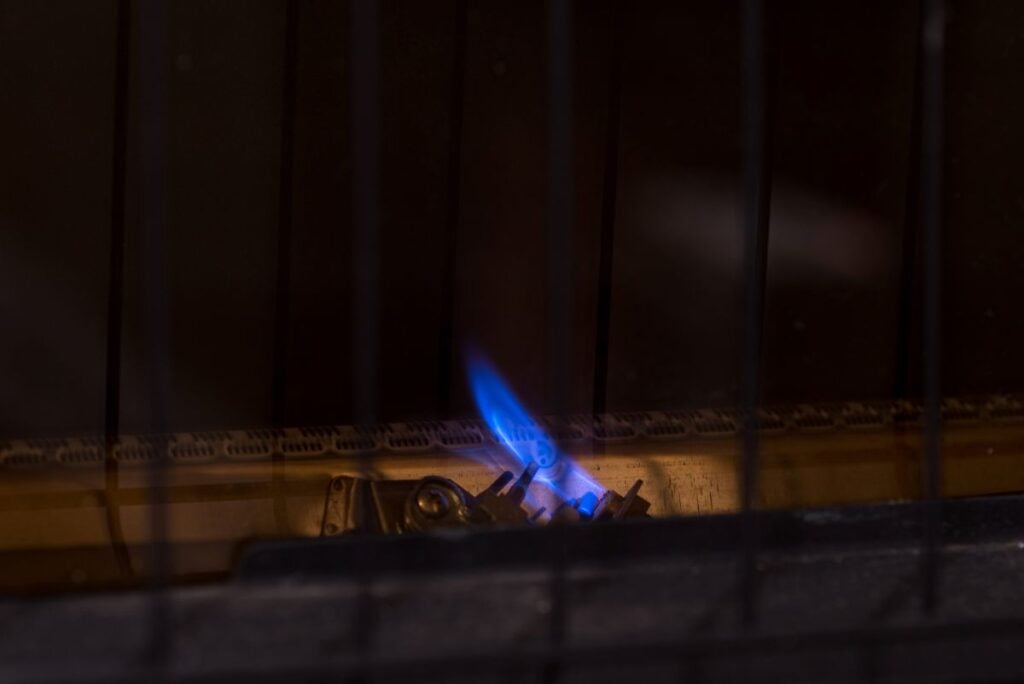
Ignition problems stop the burners from lighting, so the furnace runs but never produces heat. Older furnaces use a standing pilot light that can go out, while newer models use an electronic igniter or hot surface ignitor that can fail with age. If you have a pilot light and know how to relight it safely, follow the manufacturer’s instructions exactly. If it will not stay lit, or if your furnace uses electronic ignition, this is a repair for a licensed technician rather than a do-it-yourself fix.
- Standing pilot: Relight carefully only if you know how.
- Electronic ignition: Failed igniters need professional replacement.
- Won’t stay lit: A repeated outage signals a deeper issue.
4. A Tripped Safety Switch or Limit
Furnaces have built-in safety devices that shut the system down when something is wrong, and a tripped one leaves you with no heat. The high-limit switch cuts power if the furnace overheats, often because of that clogged filter or a blocked vent. A blower door safety switch stops the furnace if the access panel is not fully seated. Reseating the panel or replacing a dirty filter can clear these, but a switch that keeps tripping points to an underlying problem that needs professional diagnosis.
- Overheating trips: Often caused by restricted airflow.
- Check the panel: Make sure the blower door is fully closed.
- Repeated trips: Persistent shutdowns require a technician.
5. Blower Motor Issues
When the blower motor fails, the furnace may generate heat but cannot push warm air through the house. You might hear the furnace ignite but feel little or no air from the vents, or hear unusual humming, grinding, or squealing from the unit. Blower problems range from a worn capacitor to a failing motor or a snapped belt on older models. Because this involves electrical components inside the furnace cabinet, blower motor repairs are best left to a licensed technician with the right tools and training.
- Heat but no airflow: A telltale sign of blower failure.
- Unusual noises: Humming or grinding points to the motor.
- Call a pro: Internal electrical work is not a DIY job.
6. Gas Supply or Valve Problems
A furnace starved of gas will try to run but produce no heat, and gas issues always warrant caution. The gas valve to the furnace may be partly closed, or a problem with the supply may be affecting the whole home, which you can check by seeing whether other gas appliances work. If you ever smell gas, stop troubleshooting immediately, leave the house, and call your gas utility and a professional from outside. Gas components are never a do-it-yourself repair under any circumstances.
- Check the valve: Confirm the gas supply valve is fully open.
- Test other appliances: A house-wide issue points to the supply.
- Smell gas? Leave: Evacuate and call from outside immediately.
Frequently Asked Questions
Homeowners facing a no-heat furnace ask these most often. Short answers follow.
Why is my furnace running but not heating?
This usually points to an ignition failure, a gas supply problem, or a blocked airflow issue that trips a safety limit. The blower may run while the burners fail to light or stay lit. If basic thermostat and filter checks do not fix it, call a technician.
Can I fix a furnace that won’t heat myself?
You can safely check the thermostat, replace batteries, change the filter, reset a tripped breaker once, and reseat the blower panel. Anything involving gas, ignition components, or internal electrical parts requires a licensed technician under Minnesota code. Never attempt gas repairs yourself.
When should I call a professional?
Call a pro if the furnace keeps tripping its safety switch, the igniter or pilot will not stay lit, the blower is failing, or you suspect any gas issue. Repeated shutdowns signal an underlying problem. When in doubt, a professional diagnosis is the safer choice.
How do I prevent no-heat breakdowns?
Annual professional maintenance and regular filter changes prevent the majority of no-heat furnace failures. Most emergency calls trace back to something a tune-up would have caught. Schedule service in early fall before the heating season begins.
Why Hoffman Cooling & Heating Is the Team To Call
When your furnace stops heating on a cold Minnesota night, you want a company that answers with a real person and gets a qualified technician to your door quickly, whatever the hour. Hoffman Cooling & Heating has served Minnesota families for 75 years from our Stillwater location, holds Minnesota Mechanical Contractor Bond MB005011, and carries a 4.8 star average across roughly 2,300 Google reviews, with technicians who diagnose the real cause and explain your options in plain language, no jargon and no pressure. For homeowners across Lakeville and the Twin Cities, that combination of experience, honest diagnosis, and 24/7 availability is exactly what turns a no-heat emergency into a quick, reassuring fix. Reach out to Hoffman today to get your heat back fast, and count on straightforward answers from a team that is here for the long haul.
Recent Articles
Our HVAC Journal