


Articles
Heating Maintenance (6 Seasonal Tips To Avoid Breakdowns)
Heating maintenance is the difference between a furnace that runs quietly all winter and one that quits on the coldest night of the year. Most no-heat emergencies do not happen out of nowhere. They build slowly from small, ignored problems that a little seasonal attention would have caught months earlier. In Minnesota, where a furnace works hard from October through April, that attention pays off in fewer breakdowns, lower bills, and a system that lasts closer to 20 years than 12. These six seasonal tips will help you keep your heating system reliable and efficient through an Eagan winter.
- Simple seasonal habits: Learn the routine tasks that prevent most breakdowns.
- What you can do yourself: See which maintenance steps are safe and easy at home.
- When to bring in a pro: Know which tasks belong to a licensed technician.
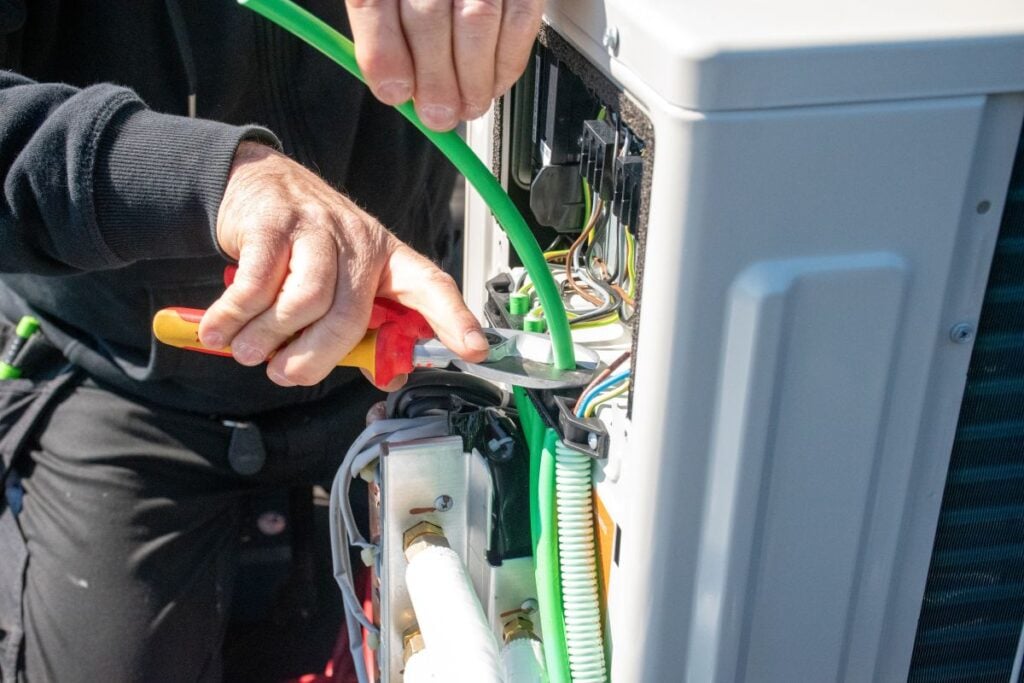
Why Does Heating Maintenance Matter So Much?
Heating maintenance protects three things at once: your comfort, your budget, and your safety. A neglected furnace does not just risk breaking down; it wastes fuel and can pose real hazards.
What Happens If You Skip It?
Skipping heating maintenance leads to higher bills, shorter equipment life, and a much greater chance of a mid-winter breakdown. Dust and wear accumulate quietly, forcing the system to work harder until a component finally fails, almost always during a cold snap when you need heat most. There is a safety dimension too. Because fuel-burning systems can develop dangerous leaks, the Consumer Product Safety Commission urges consumers to schedule a yearly professional inspection of all fuel-burning home heating systems, including furnaces and boilers. Regular upkeep addresses all of these risks at once.
- Higher bills: A dirty, strained system burns more fuel.
- Shorter life: Neglect wears equipment out years early.
- Breakdown risk: Small problems fail at the worst possible time.
- Safety hazards: Fuel-burning systems need annual inspection.
6 Seasonal Heating Maintenance Tips
These tips follow the heating season from early fall through spring. Some you can handle yourself, while others are best scheduled with a professional.
1. Schedule a Fall Tune-Up Before You Need Heat
The single most valuable maintenance step is a professional tune-up in early fall, before the heating season begins in earnest. A technician cleans and inspects the burners, checks the heat exchanger for cracks, tests safety controls, and verifies the system is running safely and efficiently. Booking in September or early October means you beat the seasonal rush and catch problems while the weather is still mild. Waiting until the first cold snap often means a longer wait and a system already under strain.
- Beat the rush: Early fall booking avoids peak-season delays.
- Catch problems early: A tune-up finds issues before they fail.
- Safety check: The technician verifies safe combustion and controls.
2. Change the Air Filter Regularly
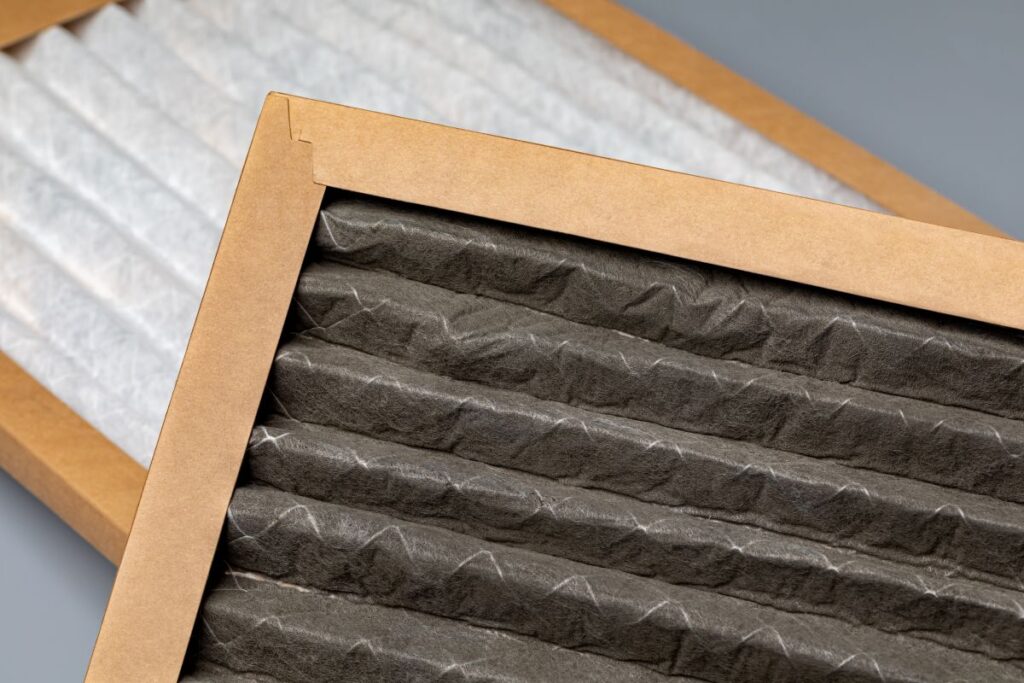
Changing your furnace filter on schedule is the easiest and most effective maintenance task you can do yourself. A clogged filter chokes airflow, which makes the furnace work harder, drives up energy use, and can cause the system to overheat and shut down on a safety limit. Check the filter monthly during the heating season and replace it when light no longer passes through, or at least every three months. Keeping a few correctly sized filters on hand makes this a two-minute job you will actually keep up with.
- Check monthly: Inspect the filter during heavy-use months.
- Replace on schedule: Swap it every one to three months.
- Prevents shutdowns: Clean airflow avoids overheating trips.
3. Keep Vents and Registers Clear
Clear airflow throughout your home is a simple but overlooked part of heating maintenance. Furniture, rugs, and curtains that block supply registers or return grilles force the system to work harder and create uneven heating from room to room. Walk through your home at the start of the season and make sure nothing is covering the vents, and gently vacuum away dust that has collected on registers. This costs nothing, takes a few minutes, and helps your furnace heat the whole house evenly instead of straining against blocked airflow.
- Unblock registers: Move furniture and rugs off supply vents.
- Clear returns: Keep return grilles open for proper airflow.
- Vacuum dust: Clean registers help air move freely.
4. Test the Thermostat and Replace Batteries
Testing your thermostat early in the season prevents a surprising number of no-heat calls that trace back to this simple device. Switch it to heat before the first cold day and confirm the furnace responds, and replace the batteries if your model uses them rather than waiting for a blank screen at the worst moment. If you have not upgraded to a programmable or smart thermostat, fall is a good time, since scheduling setbacks while you sleep or are away reduces runtime and wear on the system. A quick test now avoids a cold morning later.
- Test early: Confirm the furnace responds before deep cold.
- Fresh batteries: Replace them proactively each season.
- Consider upgrading: A programmable model reduces wear.
5. Clear the Area Around Your Furnace and Vents
Keeping the space around your equipment clear is both a maintenance and a safety measure worth a seasonal check. Store boxes, laundry, and household chemicals well away from the furnace, since clutter restricts airflow and can be a fire hazard near a heat source. Outside, make sure exhaust and intake vents stay clear of snow, ice, and debris all winter, because a blocked vent can shut the system down or, worse, allow combustion gases to back up into the home. A quick check after each heavy snowfall protects both function and safety.
- Indoor clearance: Keep clutter and chemicals away from the furnace.
- Clear outdoor vents: Snow and ice must not block intake or exhaust.
- Check after storms: Inspect vents following heavy snowfall.
6. Listen and Watch for Early Warning Signs
Paying attention to how your system behaves lets you catch small problems before they become breakdowns. New noises like banging, squealing, or rattling, a burning smell beyond the first startup of the season, weak airflow, uneven heating, or a furnace that short cycles all signal something needs attention. Rising energy bills without a change in usage are another quiet warning. Noticing these early and calling a technician while the issue is small is far cheaper and less stressful than waiting for a complete failure on a subzero night.
- Unusual noises: Banging or squealing signals a developing problem.
- Short cycling: Frequent on-off points to an underlying issue.
- Rising bills: Higher costs without more use warn of trouble.
Frequently Asked Questions
Homeowners keeping up with heating maintenance ask these most often. Short answers follow.
How often should heating maintenance be done?
Schedule a professional tune-up once a year, ideally in early fall before the heating season starts. Between visits, check and change your air filter every one to three months. This combination prevents the large majority of avoidable breakdowns.
Can I do heating maintenance myself?
You can change filters, keep vents clear, test the thermostat, and clear snow from outdoor vents on your own. Tasks involving burners, the heat exchanger, gas components, or internal electrical parts require a licensed technician. A yearly professional inspection covers those safely.
What is included in a professional tune-up?
A technician cleans and inspects the burners, checks the heat exchanger, tests safety controls, verifies airflow, and confirms the system runs safely and efficiently. They also catch small issues before they become failures. Most no-heat emergencies trace back to something a tune-up would have found.
Does maintenance really prevent breakdowns?
Yes. Most mid-winter furnace failures build from small, ignored problems that regular maintenance catches early. Annual service and routine filter changes are the most reliable way to avoid a no-heat emergency and extend equipment life.
Why Hoffman Cooling & Heating Is the Right Team for Your Heating Maintenance
Because seasonal heating maintenance is what keeps your furnace safe, efficient, and reliable through a long Minnesota winter, the team you trust to inspect and service it matters as much as the equipment itself. Hoffman Cooling & Heating has served Minnesota families for 75 years from our Stillwater location, holds Minnesota Mechanical Contractor Bond MB005011, and carries a 4.8 star average across roughly 2,300 Google reviews, with technicians who perform thorough seasonal inspections and explain what they find in plain language, no jargon and no pressure. For homeowners across Eagan and the Twin Cities, that combination of experience, careful service, and honest guidance is what keeps a furnace running smoothly year after year instead of failing when you need it most. Reach out to Hoffman today to schedule your seasonal heating maintenance, and get straightforward answers and reliable service from a team that is here for the long haul.