Articles
Furnace Heat Exchanger (3 Signs Of Failure & Repair Costs)
The furnace heat exchanger is the single most important safety component in your heating system, because it transfers heat to your air while keeping toxic combustion gases, including carbon monoxide, safely separated from the air you breathe. When it cracks or fails, that barrier is compromised, which is why a failing heat exchanger is treated as an urgent safety issue rather than a routine repair. Knowing the warning signs and the realistic repair costs helps you act quickly and make an informed decision. This guide covers three signs of heat exchanger failure, what repair and replacement cost in 2026, and how to decide your next step in your Richfield home.
- Warning signs: Learn the three signs of a failing heat exchanger.
- Repair costs: See realistic 2026 repair and replacement prices.
- Repair or replace: Understand when replacing the furnace makes more sense.
What a Furnace Heat Exchanger Does
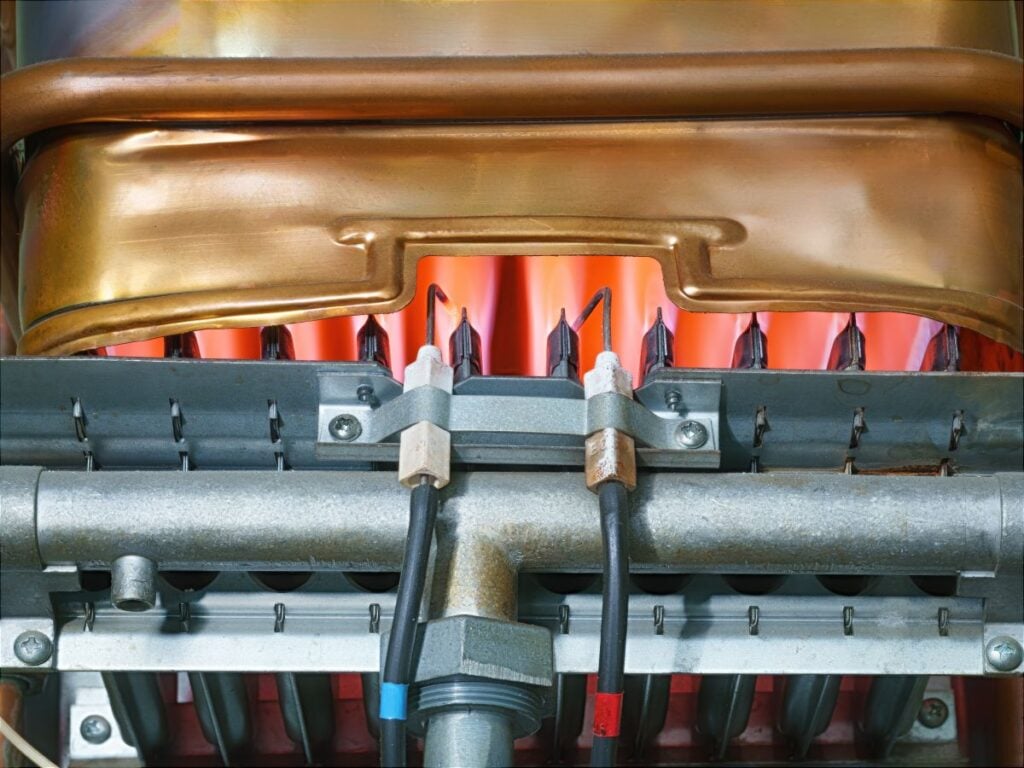
A furnace heat exchanger is the metal chamber that warms your air while containing the combustion gases produced when your furnace burns fuel. Understanding its job makes clear why a failure is so serious.
Why the Heat Exchanger Matters for Safety
The heat exchanger is the barrier that keeps carbon monoxide out of your home’s air, making it the most safety-critical part of your furnace. When your furnace burns gas, the burners heat the metal of the exchanger, and the blower pushes household air across its outer surface to warm it, while the toxic combustion gases stay sealed inside and vent outdoors. That separation is the entire safety design of a furnace. Carbon monoxide is odorless and colorless, and according to the CDC, its symptoms are often described as flu-like, including headache, dizziness, weakness, nausea, and confusion. A cracked exchanger can let that gas escape into your air.
- The safety barrier: It keeps combustion gases out of your air.
- How it works: Burners heat the metal, the blower warms your air.
- Why cracks matter: A breach lets carbon monoxide leak indoors.
- Silent danger: CO is odorless, so warning signs are critical.
3 Signs of Furnace Heat Exchanger Failure
Several warning signs can point to a cracked or failing heat exchanger, and because of the safety risk, any of them warrants prompt professional inspection. Watch for these three signs.
1. A Yellow or Flickering Burner Flame
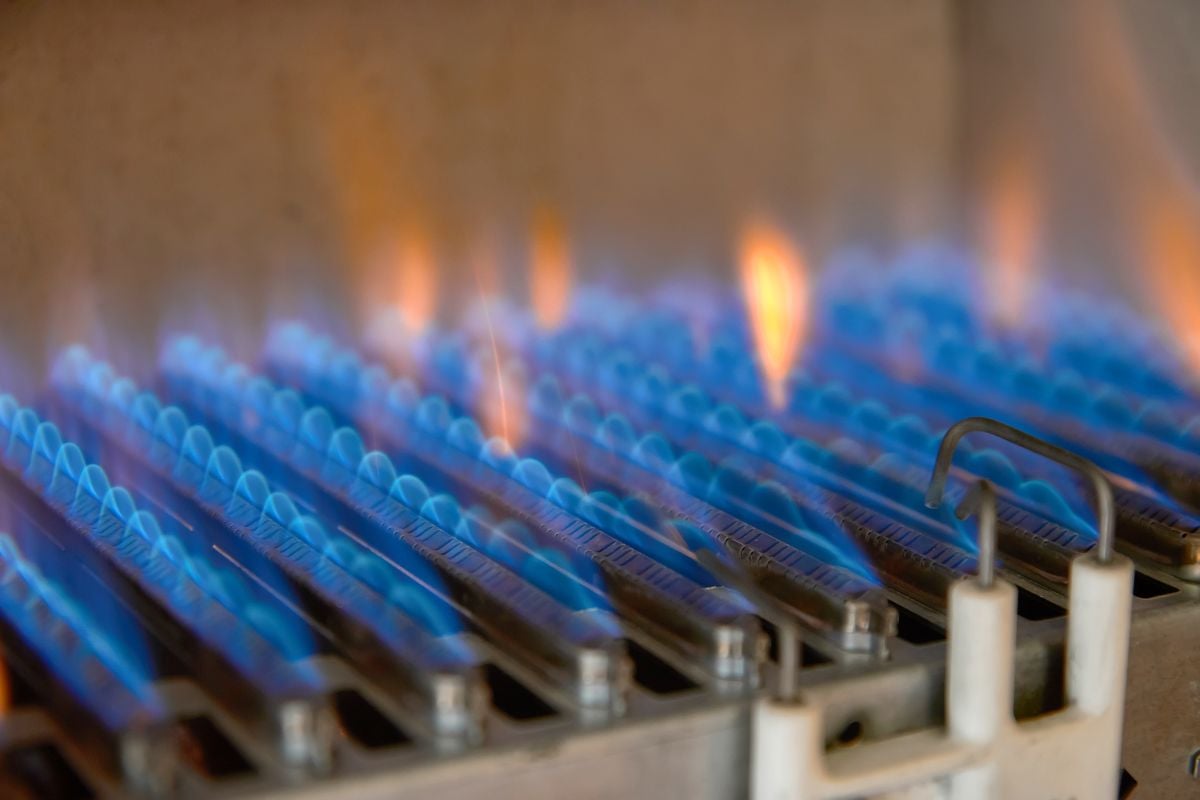
A healthy furnace burner flame is crisp and blue, so a yellow, flickering, or dancing flame is a classic warning sign of a heat exchanger problem. When a crack disrupts the airflow around the burners, combustion becomes incomplete, which turns the flame yellow and produces more carbon monoxide than normal. You may also notice the flame moving or being pulled sideways when the blower kicks on, which is a telltale sign of air crossing through a breach. If your flame is anything other than steady and blue, shut the furnace off and call a technician.
- Blue is healthy: A crisp blue flame means clean combustion.
- Yellow is a warning: It signals incomplete combustion and CO.
- Moving flame: A flame pulled sideways points to a breach.
2. Soot, Corrosion, or Visible Cracks
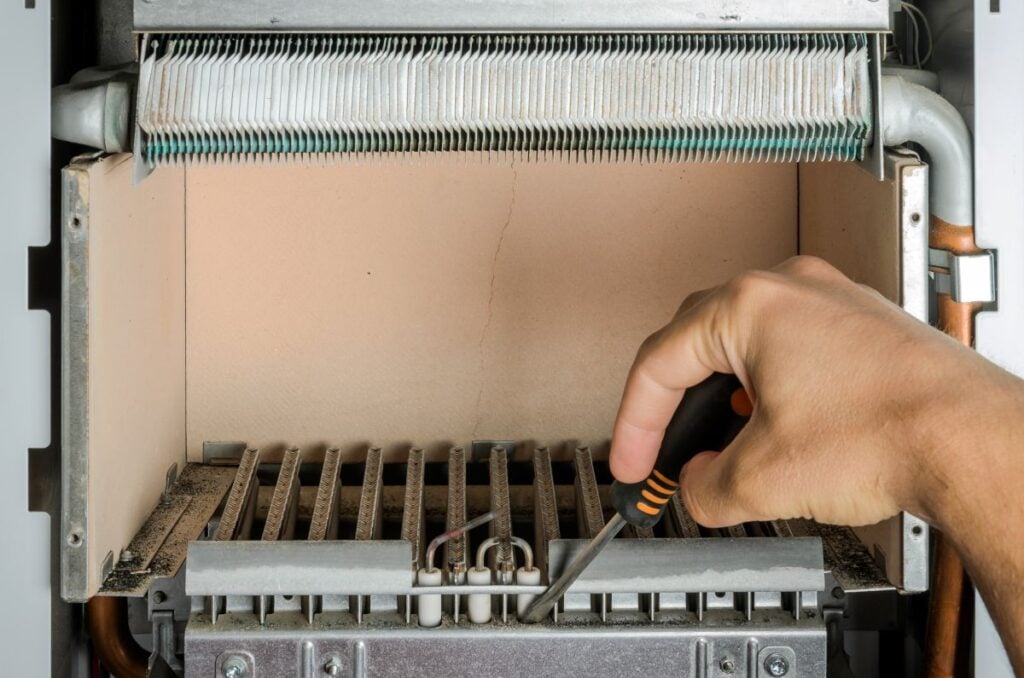
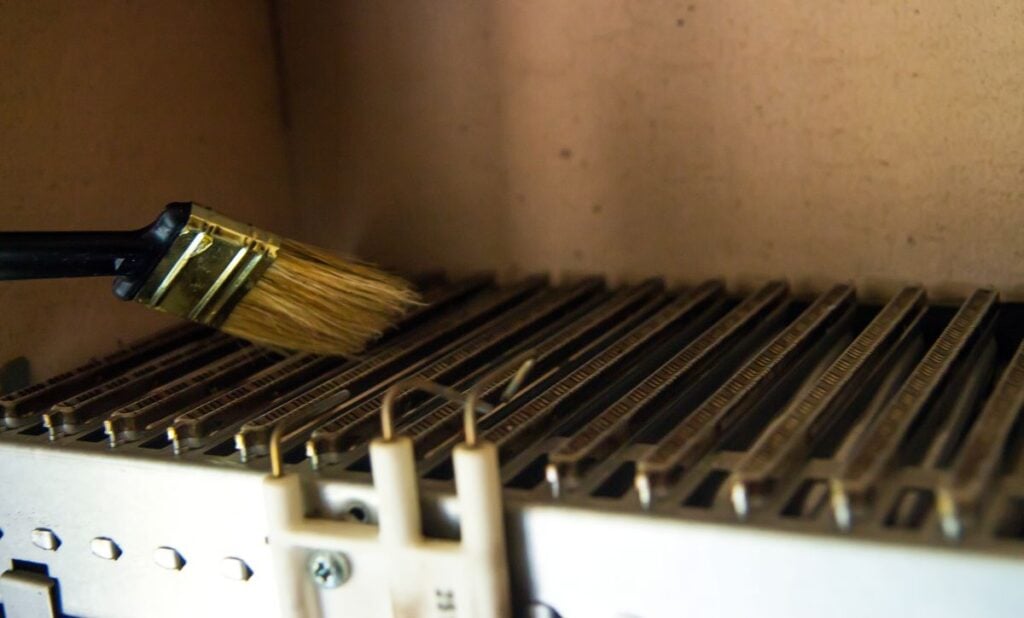
Physical signs on or around the furnace, including soot, rust, or a visible crack, strongly indicate heat exchanger trouble. Soot or dark staining inside the burner compartment suggests incomplete combustion, while rust and corrosion weaken the metal and are common precursors to cracking. In some cases a technician can see a crack directly, though many hairline cracks only open when the metal heats and expands, which is why professional testing matters. Any soot, rust, or visible damage around the heat exchanger area deserves a prompt inspection.
- Soot or staining: Dark residue signals incomplete combustion.
- Rust and corrosion: Weakened metal often precedes cracks.
- Visible damage: Any crack is a red-flag safety issue.
3. Strange Smells or a Sounding CO Alarm
An unusual odor when the furnace runs, or a carbon monoxide alarm that activates, is the most urgent sign and demands immediate action. Some homeowners notice a faint chemical or formaldehyde-like smell when a heat exchanger is failing, though you cannot rely on odor since carbon monoxide itself has none. A sounding CO alarm means dangerous gas is present in your home, and you should get everyone outside and call for help immediately. This is why a working carbon monoxide detector near your sleeping areas is essential with any gas furnace.
- Faint odors: A chemical smell can accompany a failing unit.
- CO alarm: A sounding alarm means leave immediately.
- Detectors matter: Keep working CO alarms near bedrooms.
Furnace Heat Exchanger Repair Costs in 2026
Repairing or replacing a heat exchanger is one of the more expensive furnace repairs, and the numbers often shift the decision toward replacing the whole furnace. The figures below are planning ranges, not quotes.
What Replacement Costs and Why
Replacing a furnace heat exchanger typically costs $1,000 to $3,000 all-in when the part is out of warranty, with labor often exceeding the price of the part itself. The reason is labor intensity: reaching the heat exchanger requires partially disassembling the furnace, a job that commonly takes six to eight hours. Many heat exchangers carry a 10-to-20-year part warranty, but that warranty covers the part only, not the substantial labor. Because of this, the total cost of the repair frequently approaches a significant share of what a new furnace would cost.
- Typical range: Roughly $1,000 to $3,000 installed out of warranty.
- Labor-heavy: Six to eight hours of disassembly drives the cost.
- Warranty gap: Part warranties rarely cover the labor.
When Replacing the Furnace Makes More Sense
For many homeowners, especially those with older furnaces, replacing the entire furnace is the smarter choice than repairing the heat exchanger. A common guideline is the 50 percent rule: if the repair costs more than half the price of a new furnace, replacement is the better value. Since a cracked exchanger often appears in units past 12 to 15 years old, paying thousands to repair aging equipment buys only a few more years, while a new furnace brings a fresh warranty and higher efficiency. A new furnace installation generally runs $3,800 to $12,000 depending on efficiency.
- The 50 percent rule: A repair over half a new unit’s cost favors replacing.
- Age matters: Cracks usually appear in older furnaces.
- Fresh start: Replacement adds warranty and efficiency.
Frequently Asked Questions
Homeowners facing a furnace heat exchanger problem ask these most often. Short answers follow.
Can a cracked heat exchanger be repaired?
Technicians almost never repair a cracked heat exchanger, because welding or patching it cannot be done safely or reliably. The standard fix is replacing the part or, more often, the whole furnace. Running a furnace with a confirmed crack risks carbon monoxide exposure.
How much does a furnace heat exchanger cost to replace?
Replacement typically costs $1,000 to $3,000 installed when out of warranty, with labor often costing more than the part. Reaching the exchanger requires partially disassembling the furnace, which takes six to eight hours. On older units, replacing the whole furnace is often the better value.
Is a cracked heat exchanger dangerous?
Yes, a cracked heat exchanger can leak carbon monoxide into your home’s air, which is why it is treated as a serious safety hazard. Most technicians will disable a furnace with a confirmed crack. Never operate a furnace you suspect has a cracked heat exchanger.
How do I know if my heat exchanger is actually cracked?
A proper diagnosis uses a combustion analyzer to measure carbon monoxide, along with visual inspection of the exchanger. Because this repair is expensive, insist on a measured diagnosis rather than a verbal claim. A reputable technician will show you the evidence.
Your Safety Comes First, and We Can Help
A furnace heat exchanger problem is one of the few HVAC issues that is a safety decision before it is a financial one, so if you notice a yellow flame, soot, strange odors, or a CO alarm, shut the furnace off and get it inspected right away. Hoffman Cooling & Heating has kept Minnesota homes safe and warm for 75 years, carrying Minnesota Mechanical Contractor Bond MB005011 and a 4.8 star average across roughly 2,300 Google reviews from Richfield and across the Twin Cities. Our technicians diagnose heat exchanger concerns with a proper combustion analysis, show you the evidence, and lay out repair and replacement options honestly, with no jargon and no pressure. When something about your furnace does not seem right, reach out to Hoffman and we will make sure your home is safe.