Articles
Boiler Replacement (2026 Costs, Signs & Smart Options)
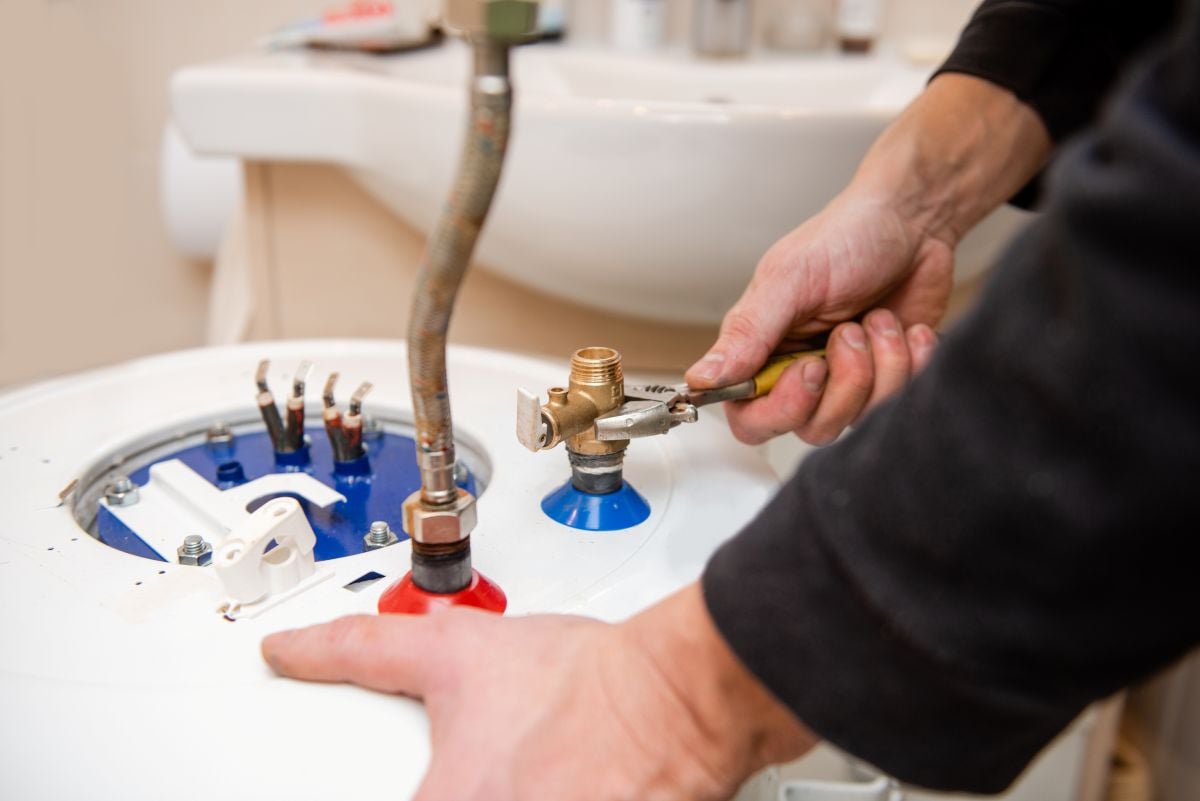
Boiler replacement is one of the larger home-comfort investments a Minnesota homeowner makes, and knowing the real costs, the warning signs, and your smartest options helps you plan it on your terms instead of in a mid-winter emergency. A well-maintained boiler can last decades, but every unit eventually reaches the point where replacing it beats paying for another repair. This guide covers what boiler replacement actually costs in 2026, the signs that tell you it is time, and the high-efficiency options worth considering for your Mendota Heights home.
- Real 2026 costs: See honest price ranges for a new boiler installed.
- Warning signs: Recognize when repair no longer makes sense.
- Smart options: Understand high-efficiency choices and what they save.
What Boiler Replacement Costs in 2026
Boiler replacement cost depends on the type, efficiency, and complexity of the installation, so the ranges below are planning figures rather than quotes. An in-home assessment is the only way to get an accurate number for your home.
The Real Price Range
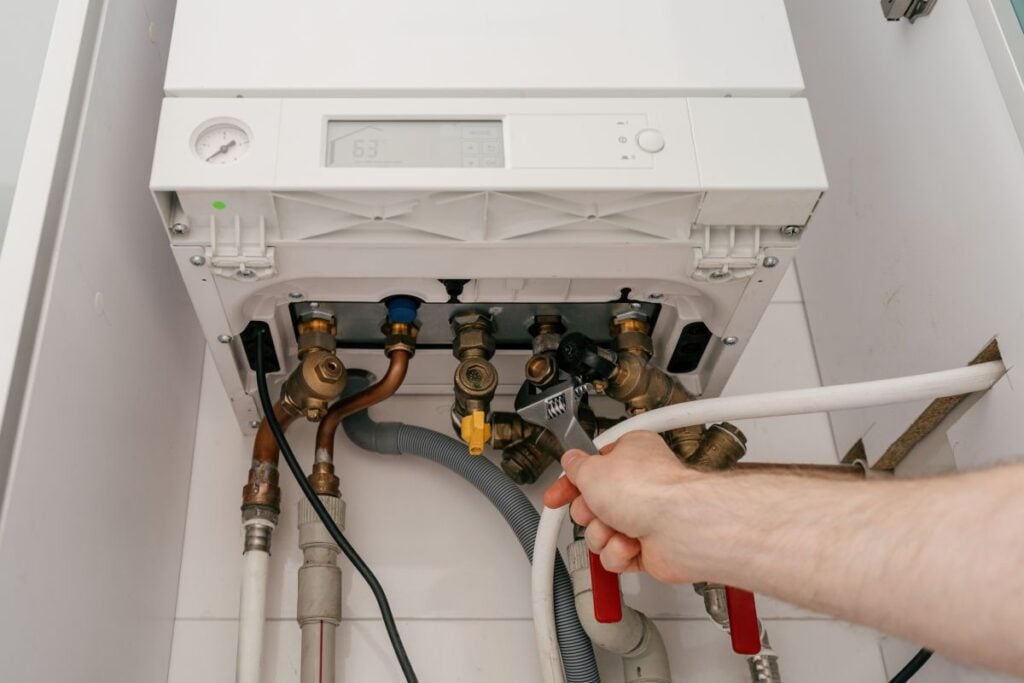
Boiler replacement typically costs between $3,500 and $12,000 installed in 2026, with most homeowners landing in the middle depending on efficiency and complexity. A standard-efficiency gas boiler rated 80 to 85 percent AFUE generally runs $3,500 to $8,000 installed, while a high-efficiency condensing model at 90 percent AFUE or above runs roughly $6,000 to $12,000. The higher figure reflects both the more advanced equipment and the extra installation work for condensate drainage and new venting. Replacing an existing boiler usually costs less than a brand-new installation, since a contractor can often reuse existing piping and connections.
- Standard efficiency: Roughly $3,500 to $8,000 installed for 80 to 85 percent AFUE.
- High efficiency: Roughly $6,000 to $12,000 for 90 percent AFUE and up.
- Replacement savings: Reusing existing piping lowers cost versus a new install.
What Drives Your Cost
Several factors move your boiler replacement quote up or down, and understanding them helps you compare bids fairly. Efficiency rating is the biggest lever, since a high-efficiency condensing boiler costs more upfront but burns less fuel every winter. According to ENERGY STAR, certified gas boilers have AFUE ratings of 90 percent or greater and a certified gas boiler can save about $780 over the lifetime of the product. Fuel type, boiler size, venting changes, and whether your piping can be reused all affect the final number, which is why a careful in-home assessment matters.
- Efficiency tier: Higher AFUE costs more upfront, less to run.
- Venting and drainage: Condensing models need new venting and a drain.
- Reused piping: Existing connections keep labor costs down.
4 Signs You Need a Boiler Replacement
Several clear signs tell you a boiler is nearing the end of its useful life, and spotting them early lets you plan a replacement rather than face an emergency. Watch for these warning signs in your system.
1. Age Over 15 Years
A boiler older than 15 years is a strong candidate for replacement, since efficiency drops and breakdowns grow more frequent with age. Most boilers last 15 to 20 years, and as they pass that mark, they lose efficiency and reliability even with good maintenance. An older unit also likely runs at a much lower efficiency than a modern one, quietly costing you more every winter. If your boiler is in this range and needs a significant repair, replacement is often the smarter investment.
- Typical lifespan: Most boilers last 15 to 20 years.
- Efficiency fades: Older units cost more to run each winter.
- Repair threshold: A big repair on an old unit favors replacement.
2. Rising Energy Bills
Steadily climbing heating bills without a change in usage often signal a boiler losing efficiency as it ages. As internal components wear and scale builds up, a boiler has to burn more fuel to produce the same heat, and that shows up on your monthly bill. If your heating costs have crept up year over year despite similar weather and habits, the boiler itself may be the reason. A new high-efficiency model can reverse that trend and pay back part of its cost through lower bills.
- Creeping costs: Higher bills without more usage point to the boiler.
- Wear and scale: Aging components force the boiler to work harder.
- Efficiency upgrade: A new unit can lower monthly heating costs.
3. Frequent Repairs
When repair calls become a regular expense, the cost of keeping an old boiler running can quickly approach the cost of replacing it. An occasional fix is normal, but needing repairs every season, or facing one major repair on an aging unit, is a clear signal. A good rule of thumb is that if a repair costs more than half the price of a new boiler, replacement is usually the better value. Frequent breakdowns also leave you without heat at the worst possible times.
- Recurring fixes: Repairs every season add up fast.
- The 50 percent rule: A repair over half a new unit’s cost favors replacing.
- Reliability matters: Frequent failures risk no heat in deep cold.
4. Uneven Heat or Noises
A boiler that heats unevenly, makes unusual noises, or leaks is showing signs of wear that often precede failure. Banging, gurgling, or whistling sounds can indicate scale buildup or circulation problems, while cold spots in your home suggest the system is struggling to distribute heat. Any sign of leaking water around the boiler is a warning that should be checked promptly. These symptoms do not always mean immediate replacement, but combined with age, they point toward planning for a new unit.
- Strange noises: Banging or gurgling signals scale or circulation issues.
- Uneven heating: Cold spots show the system is struggling.
- Leaks: Water around the boiler needs prompt attention.
Smart Boiler Options for 2026
If replacement is in your future, a few smart choices can improve efficiency and comfort for years. These options are worth discussing with your contractor.
High-Efficiency and Smart Choices
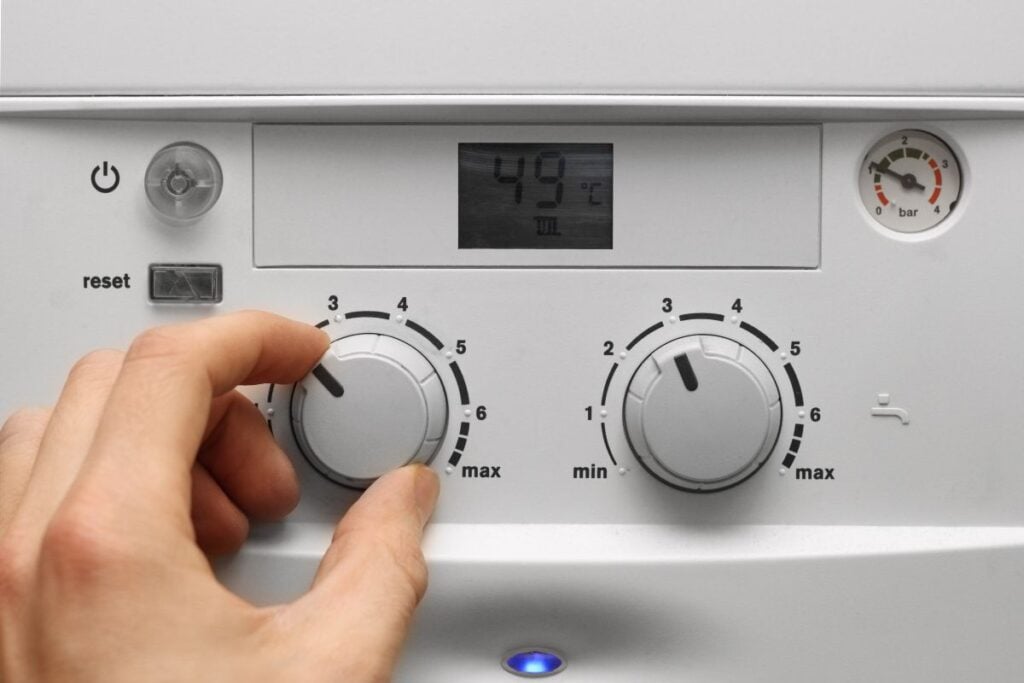
The smartest boiler upgrade for most homes is a high-efficiency condensing model paired with modern controls, which maximizes both comfort and savings. A condensing boiler reclaims heat from exhaust gases that a standard model sends up the flue, reaching 90 percent AFUE or higher. Pairing it with a smart thermostat and zoned heating lets you direct warmth where and when you need it, cutting waste further. Because the federal tax credit for high-efficiency boilers ended for equipment placed in service after December 31, 2025, ask your contractor about current Minnesota utility and state rebates instead.
- Condensing boiler: Reclaims exhaust heat for 90 percent AFUE or higher.
- Smart controls: A smart thermostat and zoning cut waste further.
- Local rebates: The federal credit ended, but utility rebates may apply.
Frequently Asked Questions
Homeowners planning a boiler replacement ask these most often. Short answers follow.
How much does boiler replacement cost in 2026?
Boiler replacement typically costs $3,500 to $12,000 installed in 2026. Standard-efficiency gas boilers run $3,500 to $8,000, while high-efficiency condensing models run $6,000 to $12,000. Fuel type, venting changes, and whether your piping can be reused all affect the final price.
How long does a boiler last?
Most boilers last 15 to 20 years with regular maintenance. Cast-iron units can run longer but at lower efficiency, while high-efficiency condensing models often last 12 to 20 years. Annual service has the biggest effect on how long yours lasts.
Should I repair or replace my boiler?
Replace it if the boiler is over 15 years old, needs frequent repairs, or a single repair costs more than half the price of a new unit. For a newer boiler with an isolated problem, repair usually makes sense. A technician can help you weigh the numbers.
Is a high-efficiency boiler worth it?
A high-efficiency condensing boiler costs more upfront but can cut fuel use meaningfully over a standard model, paying back part of the premium over time. In Minnesota’s long heating season, that payback is faster than in milder climates. Ask about local rebates to improve the math.
Plan Ahead and Keep Your Whole Home Comfortable
The best time to think about boiler replacement is on your own schedule, armed with the costs, warning signs, and options above, rather than during a January breakdown. Use the 15-year lifespan, rising bills, and frequent-repair signals as your guide, and weigh the higher upfront cost of a high-efficiency condensing model against the fuel it saves over Minnesota’s long heating season. For the rest of your home comfort needs, Hoffman Cooling & Heating has served Minnesota families for 75 years, carrying Minnesota Mechanical Contractor Bond MB005011 and a 4.8 star average across roughly 2,500 Google reviews from Mendota Heights and across the Twin Cities. Whether it is a furnace, a heat pump, air conditioning, or indoor air quality, our technicians explain your options in plain language with no jargon and no pressure. When you need help with your heating and cooling system, reach out to Hoffman and we will point you in the right direction.