Articles
How Long Does A Furnace Last (Lifespan & 7 Warning Signs)
“How long does a furnace last?” is a question most homeowners ask eventually, and the short answer is 15 to 20 years, though the exact lifespan depends on the type of furnace, how well it was installed, and how consistently it has been maintained. A gas furnace with annual tune-ups and regular filter changes can reach the top of that range, while a neglected unit may fail years earlier. Knowing where your furnace falls in its life, and recognizing the signs it is wearing out, helps you plan a replacement on your terms instead of during a breakdown. This guide explains what affects furnace lifespan and the seven warning signs to watch for in your Oakdale home.
- Typical lifespan: How long furnaces last and what affects it.
- Warning signs: Recognize the seven signs a furnace is wearing out.
- Plan ahead: When to start thinking about replacement.
How Long Does a Furnace Last on Average?
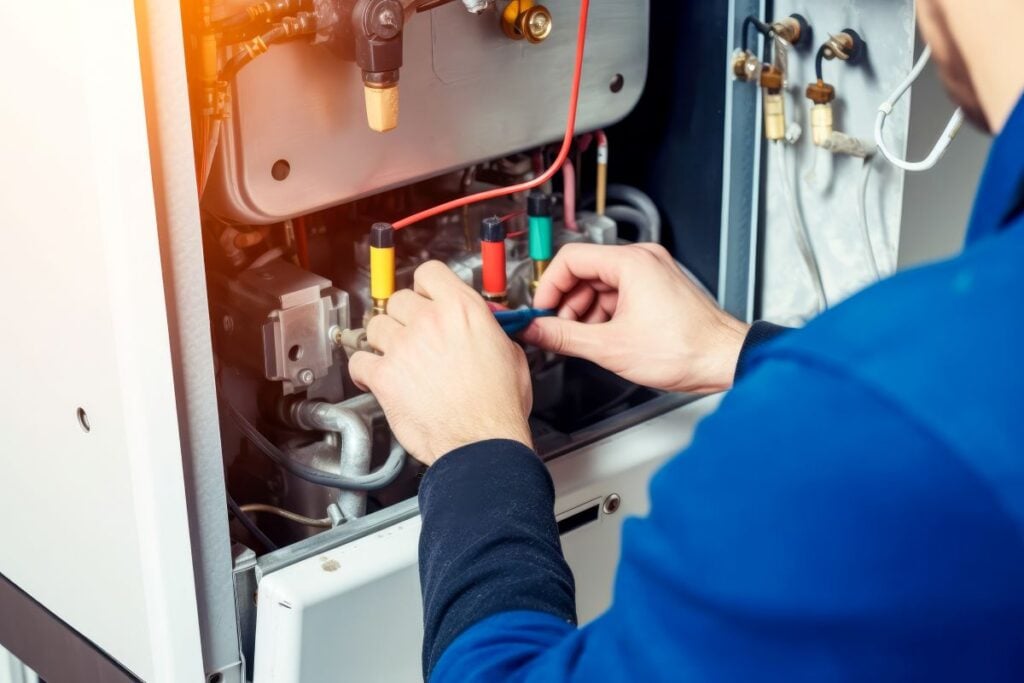
A furnace’s lifespan depends on several factors, from fuel type to maintenance history, so the 15-to-20-year average is a starting point, not a guarantee. Understanding what shortens or extends that life helps you get the most from your system.
What Affects Furnace Lifespan
A furnace lasts longer when it is properly sized, professionally installed, and maintained every year. Gas furnaces generally last 15 to 20 years, while electric furnaces often run a few years longer because they have fewer combustion components to wear out. Annual maintenance is the biggest factor you control, since it catches small problems before they shorten the system’s life, while dirty filters, an oversized unit that short cycles, and skipped tune-ups all shorten it. Once a furnace passes 15 years, it is wise to start planning for replacement even if it still runs, because efficiency declines with age. According to ENERGY STAR, if your furnace is more than 15 years old, you should consider replacing it with an ENERGY STAR qualified furnace, which is 15 percent more efficient than a conventional model.
- Fuel type: Electric furnaces often outlast gas units slightly.
- Maintenance: Annual service is the biggest factor you control.
- Installation: Proper sizing and setup add years of life.
- The 15-year mark: Start planning for replacement once past it.
7 Warning Signs Your Furnace Is Wearing Out
Several clear signs tell you a furnace is nearing the end of its life, and spotting them early lets you plan rather than react. Watch for these seven.
1. Age Over 15 Years
Age is the first and most telling sign, since a furnace past 15 years is statistically nearing the end of its service life. Even if it still heats your home, an older furnace likely runs well below its original efficiency and is more prone to sudden failure. If you do not know your furnace’s age, the manufacture date is usually on a label inside the access panel. A unit in this range deserves closer attention to the other signs and a plan for replacement.
- Check the age: The manufacture date is on an interior label.
- Nearing end of life: Past 15 years, failure risk climbs.
- Watch closely: Age makes the other signs more urgent.
2. Rising Energy Bills
Steadily climbing heating bills without a change in usage often signal a furnace losing efficiency as it ages. As components wear, the furnace burns more fuel to produce the same heat, and that inefficiency shows up month after month on your bill. If your heating costs have crept up year over year despite similar weather and habits, the furnace itself is a likely cause. A newer high-efficiency model can reverse that climb and recover part of its cost through lower bills.
- Creeping costs: Higher bills without more use point to the furnace.
- Lost efficiency: Worn parts force the furnace to work harder.
- Upgrade payback: A new unit can lower monthly heating costs.
3. Frequent Repairs
When repair calls become a regular expense, the money spent keeping an old furnace running can approach the cost of replacing it. An occasional fix is normal, but repairs every season signal a system in decline. The rule of thumb is that if a repair costs more than half the price of a new furnace, replacement is the better value. Frequent breakdowns also tend to happen in deep cold, when you need heat most.
- Recurring fixes: Repairs every winter add up fast.
- The 50 percent rule: A repair over half a new unit’s cost favors replacing.
- Bad timing: Old furnaces fail in the coldest weather.
4. Uneven Heating
A furnace that leaves some rooms cold while others are warm is struggling to distribute heat, a sign of lost capacity. As it ages, a furnace may no longer move enough warm air to reach every room evenly, leaving cold spots. Duct issues can also cause this, but an aging furnace that cannot keep up is a frequent culprit. If rooms never reach temperature despite a working thermostat, your furnace may be wearing out.
- Cold spots: Some rooms never reach the set temperature.
- Losing capacity: An aging furnace moves less warm air.
- Check the ducts too: Distribution problems can compound it.
5. Strange Noises
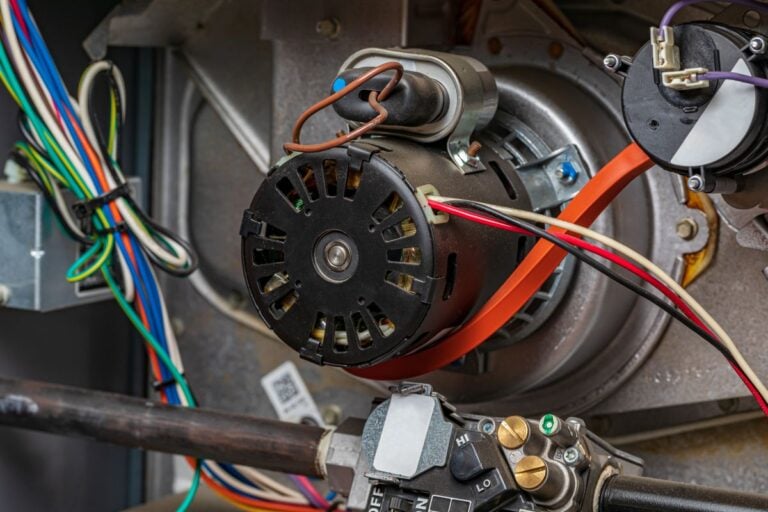
New or louder noises from your furnace signal worn components that often precede a breakdown. Banging, rattling, squealing, or groaning can indicate a failing blower motor, loose parts, or ignition problems, none of which improve on their own. A loud bang when the furnace starts can mean delayed ignition, which warrants prompt attention. Persistent or worsening sounds in an older furnace often mean the end of its service life is near.
- Listen for change: Banging or squealing signals worn parts.
- Ignition noise: A startup bang needs prompt attention.
- Worsening sounds: Persistent noise in an old unit is a warning.
6. Yellow Burner Flame
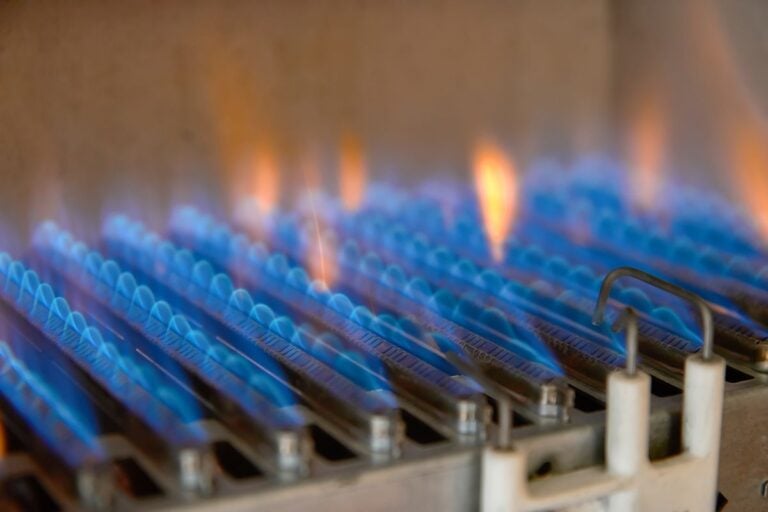
A furnace burner flame should be crisp and blue, so a yellow or flickering flame deserves immediate attention. A yellow flame can indicate incomplete combustion, which produces dangerous carbon monoxide, and is sometimes linked to a cracked heat exchanger. This is a safety issue, not just an efficiency one, and a technician should inspect it right away. In an older furnace, a persistent yellow flame often means the unit has reached the end of its safe service life.
- Blue is normal: A crisp blue flame means healthy combustion.
- Yellow is a hazard: It can signal carbon monoxide risk.
- Inspect immediately: Treat a yellow flame as a safety issue.
7. Excessive Dust or Dry Air
A furnace that leaves your home dustier or drier than normal may be losing its ability to manage air effectively. As it ages, a furnace can struggle to maintain comfortable humidity and may circulate more dust, leaving stuffy, stale air. You might notice more frequent dusting, dry skin, or lingering stale odors. A good filter and humidifier help, but these comfort problems in an older furnace are another sign it is past its prime.
- More dust: An aging furnace circulates more particles.
- Dry air: Older units struggle with comfortable humidity.
- Comfort decline: Stale air points to a tiring system.
Frequently Asked Questions
Homeowners wondering how long a furnace lasts ask these most often. Short answers follow.
How long does a gas furnace last?
A gas furnace typically lasts 15 to 20 years with regular maintenance. Annual professional tune-ups and routine filter changes have the biggest effect on reaching the upper end of that range. A neglected furnace may fail several years earlier.
Can I extend my furnace’s lifespan?
Yes, annual professional maintenance and regular filter changes are the most effective ways to extend furnace lifespan. Keeping vents clear and addressing small issues early also helps. Most premature failures trace back to skipped maintenance.
Is it worth repairing a furnace over 15 years old?
It depends on the repair cost and the furnace’s condition. If a repair costs more than half the price of a new unit, or if there is a safety issue like a cracked heat exchanger, replacement is usually the smarter choice. For a minor fix on an otherwise sound unit, repair can make sense.
What is the first sign a furnace is dying?
Rising energy bills and more frequent repairs are often the earliest signs, followed by uneven heating and strange noises. A yellow burner flame is the most urgent sign, since it can indicate a carbon monoxide hazard. Age over 15 years makes all of these more likely.
Know Your Furnace’s Age, and Plan With Confidence
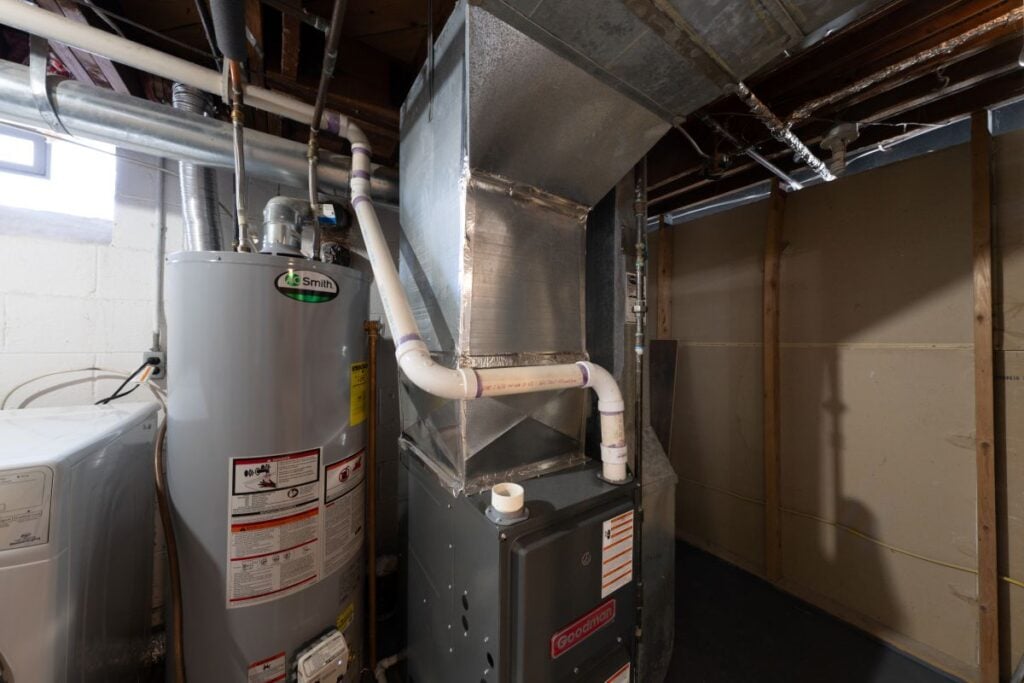
Knowing roughly how long a furnace lasts, and spotting these warning signs early, puts you in control rather than reacting to a breakdown in the coldest week of the year. Use your furnace’s age, your energy bills, and the signs above to judge where yours stands, and treat a yellow flame or any carbon monoxide concern as an immediate call for help. Hoffman Cooling & Heating has kept Minnesota homes warm for 75 years, carrying Minnesota Mechanical Contractor Bond MB005011 and a 4.8 star average across roughly 2,300 Google reviews from Oakdale and across the Twin Cities. Whether you need a tune-up to squeeze more years from your furnace or honest guidance on replacement, our technicians explain your options in plain language with no jargon and no pressure. When you want a clear answer about your furnace, reach out to Hoffman and we will help you plan your next step.