


Articles
HVAC Zoning Systems (6 Benefits, Costs & How They Work)
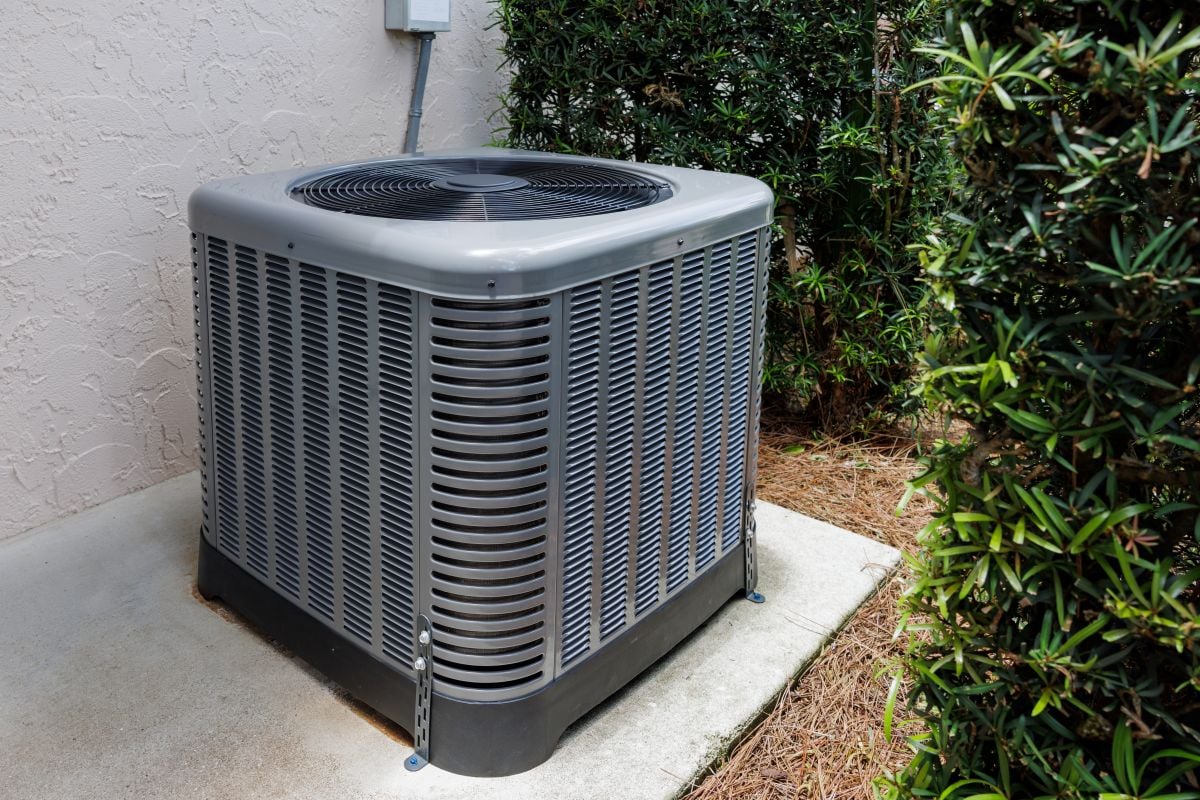
HVAC zoning systems divide your home into separate areas, each with its own thermostat, so you can heat and cool rooms independently instead of forcing one temperature on the whole house. If your upstairs bakes while the basement stays cold, or your family argues over the thermostat, zoning is built for exactly that problem. It works with your existing furnace and air conditioner, adding dampers inside the ductwork that open and close to send conditioned air only where it is called for. Below is how it works, six benefits worth knowing, and what a zoned setup costs in a Brooklyn Park home.
- How it works: Understand the dampers, thermostats, and control panel that make zoning possible.
- The six benefits: See where zoning improves comfort, efficiency, and system life.
- Real costs: Get honest 2026 price ranges before you request a quote.
How Do HVAC Zoning Systems Work?
A zoning system controls where your conditioned air goes, not just how much your system makes. It relies on three parts working together on one central HVAC system.
What Are the Main Parts of a Zoned System?
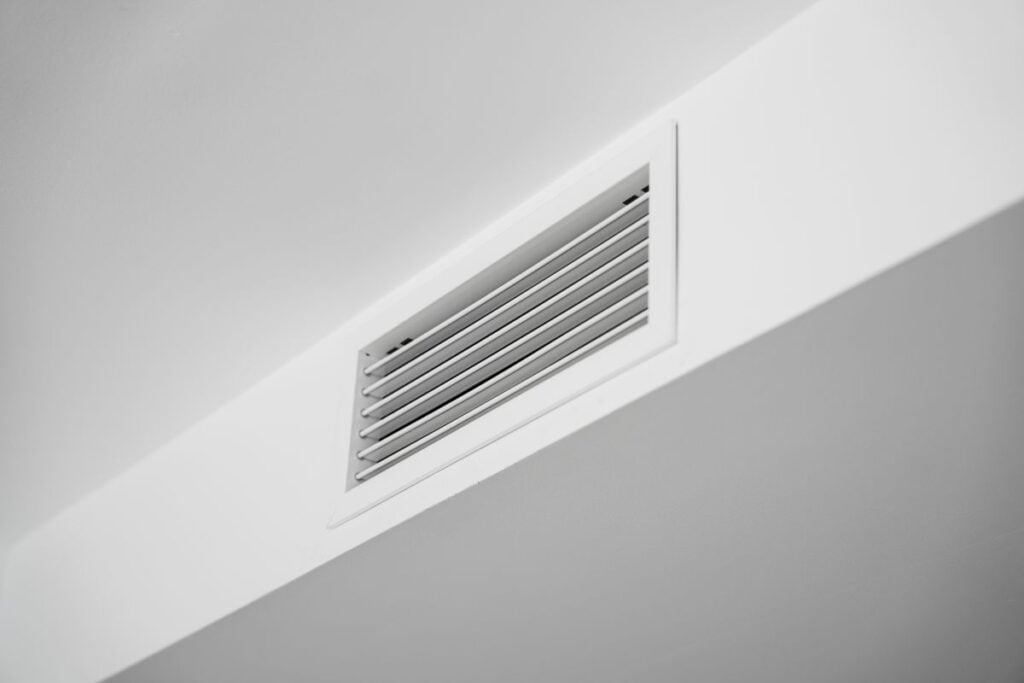
A zoned system uses thermostats, motorized dampers, and a central control panel to direct heating and cooling to specific areas on demand. Each zone gets its own thermostat, which reports to a control panel wired into your furnace and air conditioner. When a zone calls for heat or cooling, the panel opens the dampers feeding it and closes the others, so air flows only where needed. The result is room by room control from the single system you already own.
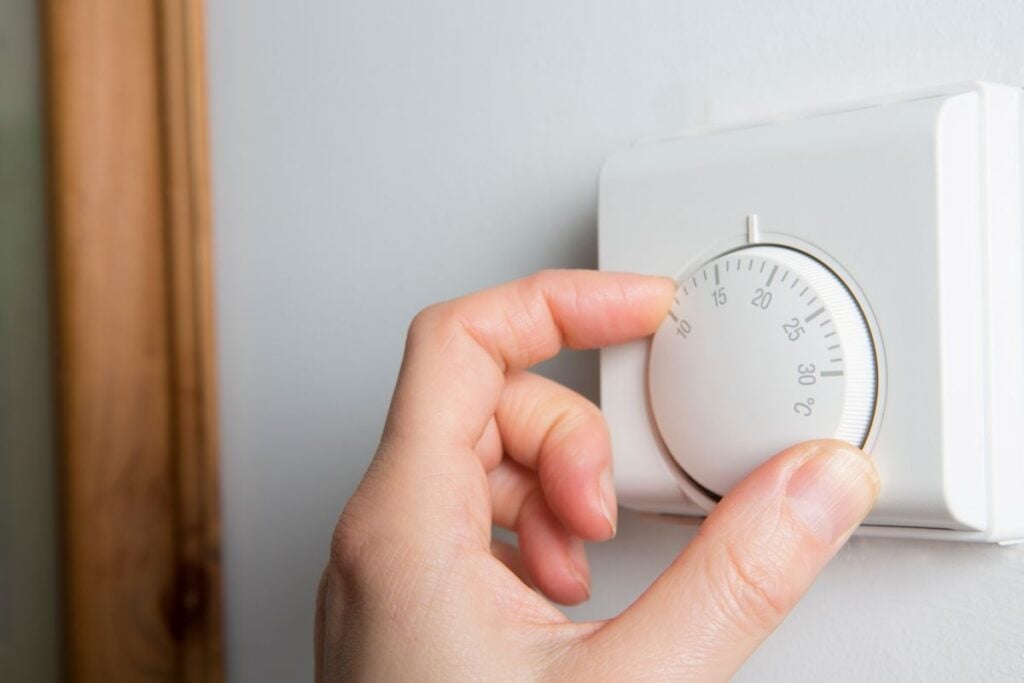
- Thermostats: One per zone, so each area is measured and controlled on its own.
- Motorized dampers: Valves inside the ducts that open or close to route airflow.
- Control panel: The brain that reads the thermostats and commands the dampers.
- Your existing system: One furnace and air conditioner still power the whole setup.
6 Benefits of HVAC Zoning Systems
Zoning solves comfort problems a single thermostat never can, all while trimming energy waste. These six benefits are the ones Minnesota homeowners notice first.
1. Consistent Comfort in Every Room
Zoning delivers the right temperature to each area independently, eliminating the hot and cold spots that plague single-thermostat homes. Two-story houses are the classic case, where heat rises and leaves the upstairs sweltering in summer while the main floor feels fine. With separate zones, the upstairs and downstairs each hold their own setting, and rooms over a garage or above a cold basement finally stay comfortable. You stop chasing comfort by overcooling the whole house to fix one warm room.
- Even temperatures: No more rooms that run too hot or too cold.
- Two-story fix: Upstairs and downstairs hold separate, stable settings.
- Problem rooms: Bonus rooms and additions finally stay comfortable.
2. Lower Energy Bills
Zoning cuts waste by conditioning only the rooms in use rather than the whole house at once. Heating and cooling already dominate a home’s energy use, so sending air only where it is needed affects your bill directly. According to ENERGY STAR, nearly half of the energy used in your home goes to heating and cooling, which is why targeting that spending matters so much. Stop conditioning empty guest rooms and unused levels, and that share of your budget shrinks.
- Less waste: Empty rooms no longer get heated or cooled for nothing.
- Targeted spending: Energy goes to occupied spaces, not the whole house.
- Everyday savings: Reduced runtime shows up on monthly utility bills.
3. Fewer Thermostat Arguments
Zoning gives each part of the house its own setting, so household members no longer fight over one temperature. One person runs warm and another runs cold, and a single thermostat forces a compromise nobody likes. With zones, a chilly bedroom and a warm living room coexist without anyone touching the other’s controls. It sounds minor until you have lived through a winter of it, and for many families this alone justifies the upgrade.
- Personal settings: Each zone matches the preference of who uses it.
- No compromise: Warm and cool spaces exist at the same time.
- Household peace: The daily thermostat battle simply ends.
4. Less Wear on Your Equipment
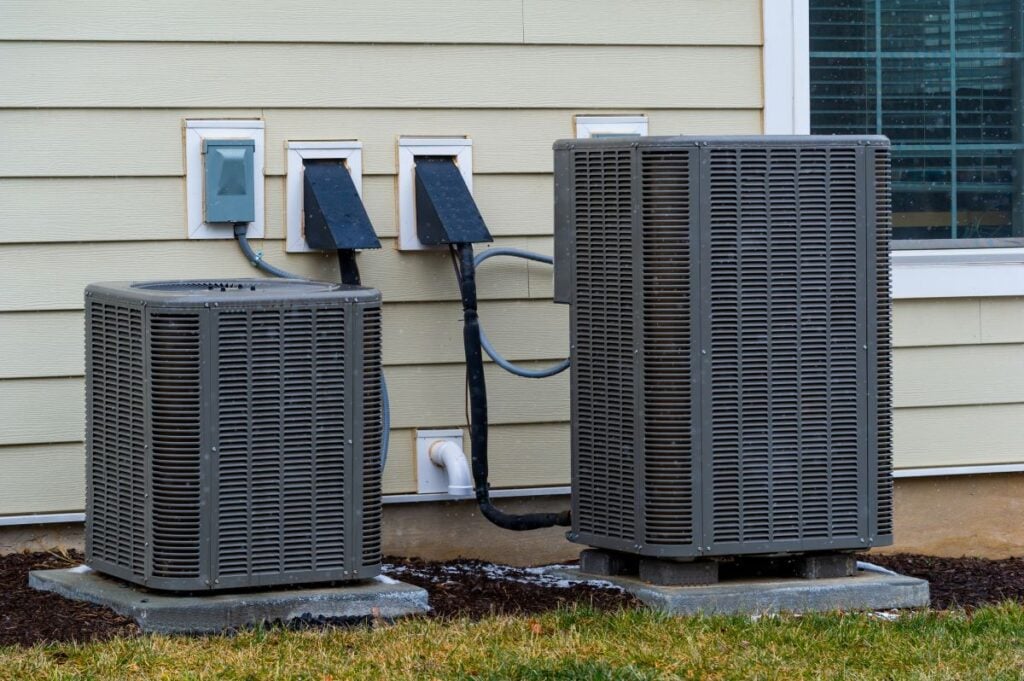
Zoning lets your system run shorter, more targeted cycles, reducing strain on the furnace and air conditioner. A conventional setup runs full blast to satisfy one thermostat, then shuts off, repeating that hard cycling all day. By conditioning smaller areas at a time, a zoned system runs steadier and works less to hold each space, and equipment that works less tends to last longer. Over the system’s life, that can mean real savings on service calls.
- Gentler cycling: Shorter, targeted runs replace all-or-nothing operation.
- Reduced strain: The system works less to satisfy each zone.
- Longer life: Less wear can translate to fewer breakdowns over time.
5. Better Control Over Unused Spaces
Zoning lets you dial back heating and cooling in rooms you rarely use without sacrificing comfort where you live. Finished basements, guest rooms, home gyms, and bonus rooms often sit empty for days at a time, yet a single-thermostat system conditions them constantly. With zones, you set those areas to a lower priority and bring them up to temperature only when needed. It is the same logic as turning off lights in empty rooms, applied to your largest household energy expense.
- Skip empty rooms: Rarely used spaces are conditioned only when needed.
- Flexible priorities: Set living areas comfortable and idle rooms modest.
- Smart pairing: Works well with programmable and smart thermostats.
6. Works With Your Existing System
Zoning is often added to the furnace and air conditioner you already have, especially when your ductwork is accessible. Rather than replacing your equipment, a technician installs dampers in the existing ducts and wires in the control panel and zone thermostats. That makes zoning a practical upgrade for many Brooklyn Park homes, particularly when done alongside a system replacement or a finished basement remodel. Accessible ductwork keeps the job simpler and the cost lower than homeowners often expect.
- Retrofit friendly: Existing ductwork can frequently be adapted.
- No new equipment: Your current furnace and AC keep doing the work.
- Good timing: Pairs naturally with a replacement or remodel.
How Much Do HVAC Zoning Systems Cost?
Cost depends on the number of zones, how accessible your ducts are, and whether you add smart thermostats. The figures below are planning ranges, not quotes.
What Is a Realistic Installation Price?
Adding a zoning system to an existing HVAC setup typically costs between $2,000 and $12,500, depending on the number of zones and the complexity of the work. A simple two-zone split between upstairs and downstairs sits near the lower end, while a whole-home system with many dampers, extra thermostats, and difficult duct access climbs toward the top. Accessible ductwork keeps labor down, while sealed or hard-to-reach ducts raise it. Because pricing swings this widely, an in-home assessment is the only way to get an accurate number for your house.
- Two-zone systems: Simpler jobs land toward the lower end of the range.
- Whole-home zoning: More zones and dampers push cost higher.
- Duct access matters: Easy-to-reach ductwork lowers the labor bill.
- Get an assessment: Only an in-home visit yields an accurate price.
Frequently Asked Questions
Homeowners considering zoning ask these most often. Short answers follow.
Can any home be zoned?
Most forced-air homes can be zoned, though the cost and complexity depend on how accessible your ductwork is. Homes with open, reachable ducts are the easiest and cheapest to convert. Homes without ductwork are usually better served by ductless mini split systems, which are zoned by design.
How many zones do I need?
Most homes do well with two to four zones, often split by floor or by living versus sleeping areas. A two-story home almost always benefits from at least an upstairs and downstairs zone. A professional load assessment determines the right number for your layout and usage.
Does zoning work with a smart thermostat?
Yes, many zoning systems pair with smart or programmable thermostats for scheduling and remote control. This lets you set idle rooms to conserve energy and bring them up to temperature automatically. The combination maximizes both comfort and efficiency.
Will zoning fix my hot upstairs?
Zoning is one of the most effective fixes for an upstairs that overheats in summer, because it lets you cool that level independently. It addresses the root cause rather than forcing you to overcool the whole house. A technician can confirm zoning is the right solution for your specific home.
Why Hoffman Cooling & Heating Is the Right Team for Zoning
A zoning system only performs as well as its design, because the number of zones, damper placement, and airflow balance all have to match how your home is built and used. Hoffman Cooling & Heating has served Minnesota families for 75 years from our Stillwater location, holds Minnesota Mechanical Contractor Bond MB005011, and carries a 4.8 star average across roughly 2,300 Google reviews, with technicians who assess your ductwork and airflow carefully and explain your options in plain language, no jargon and no pressure. For homeowners across Brooklyn Park and the Twin Cities, that combination of experience, careful design, and honest guidance is what turns a zoning upgrade into years of even, efficient comfort. Reach out to Hoffman today to find out whether zoning is right for your home, and get straightforward answers from a team that is here for the long haul.