


Articles
Emergency Furnace Repair (6 Fast Fixes & What To Do Now)
When your furnace quits on a freezing Minnesota night, emergency furnace repair starts with knowing the signs of a real emergency, the response steps to take immediately, and a few fast fixes you can safely try before you ever pick up the phone. A surprising number of no-heat situations come down to a tripped switch, a dead thermostat battery, or a clogged filter. Others, like a gas leak or a sounding carbon monoxide alarm, demand immediate action to protect your family. This guide covers how to recognize an HVAC emergency, what to do right now, six fast fixes to try, and when to call for professional emergency heating repair in your New Hope home.
- Spot the emergency: Learn the warning signs of a true HVAC emergency.
- Respond safely: Follow the right steps, including how to shut off the gas.
- Fast fixes first: Try the quick checks that solve many no-heat problems.
Signs Of An HVAC Emergency
Knowing what counts as an emergency helps you act fast when it matters and stay calm when it does not. Some furnace problems can wait for a scheduled visit, while others signal a heating emergency that needs immediate attention.
Warning Signs You Should Never Ignore
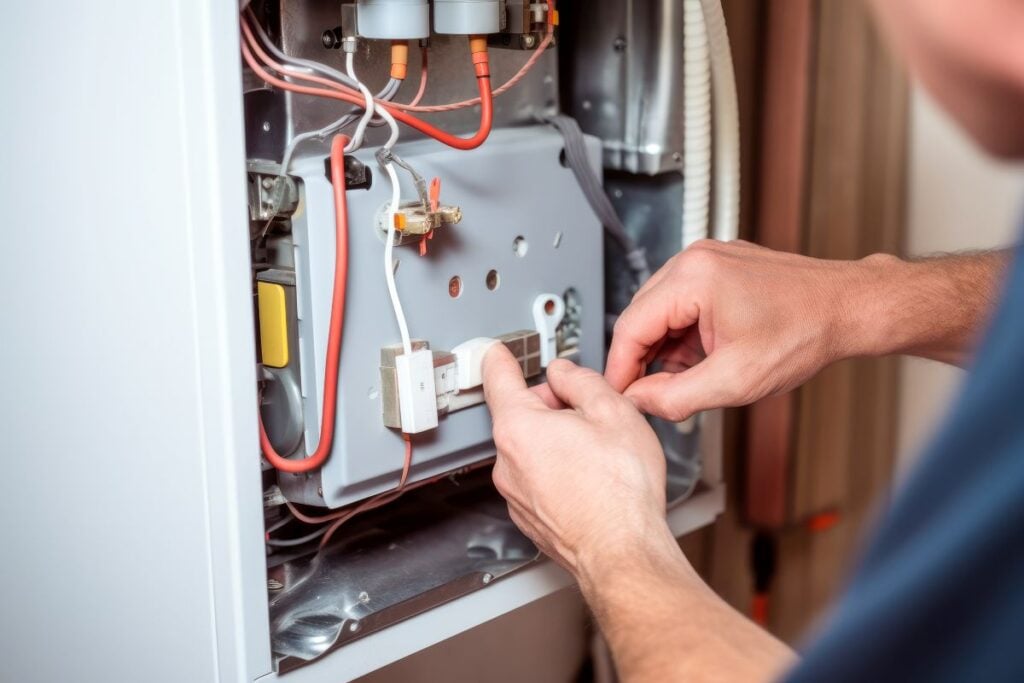
A furnace emergency is any situation involving a safety hazard, a total loss of heat in dangerous cold, or signs of a failing system that could get worse fast. A gas smell, a sounding carbon monoxide alarm, burning odors, or visible sparks all demand immediate action. Beyond obvious hazards, watch for water leaks around your HVAC system, sudden spikes in energy bills that signal a struggling unit, strange banging or grinding noises, and a furnace that short cycles or blows cold air. These warning signs often precede a full system failure, and catching them early can be the difference between a simple repair and a no-heat emergency.
- Gas or burning smells: A rotten egg odor points to a gas leak needing immediate action.
- Water leaks: Pooling water around the furnace signals a drain, coil, or condensation problem.
- High energy bills: A sudden spike often means the system is straining toward failure.
- Strange noises: Banging, grinding, or squealing warns of a developing breakdown.
- No heat or cold air: A furnace running without heating points to a serious fault.
Emergency Response Steps To Take Now
The first moments of an HVAC emergency call for a calm, safe response before any troubleshooting. These steps protect your family and your home from the most serious hazards.
How To Respond In The First Minutes
The moment you suspect a furnace emergency, prioritize safety by ruling out gas and carbon monoxide hazards before anything else. If you smell gas or hear a CO alarm, get everyone outside first, then act. When it is safe, knowing how to shut off the gas and power to your heating system helps you contain the problem until help arrives. The steps below apply to any emergency HVAC repair situation, whether it involves your furnace, heat pumps, or connected air conditioning equipment.
- Evacuate if needed: Leave immediately for any gas smell or CO alarm, then call from outside.
- Shut off the gas: Turn the gas valve near the furnace a quarter turn to stop the flow.
- Cut the power: Switch off the furnace switch and its breaker to stop the system safely.
- Call the gas company: Report any suspected gas leak to your utility from a safe location.
- Then troubleshoot: Only once there is no hazard should you try the fast fixes below.
6 Fast Fixes To Try Right Now
Each fix below takes only a minute or two and requires no special tools. Work through them in order, since the most common causes come first, and only after you have confirmed there is no gas or carbon monoxide hazard.
1. Check the Thermostat Settings and Batteries
The fastest fix is confirming your thermostat is actually calling for heat, since this solves a surprising share of no-heat situations. Make sure it is set to heat, not cool or off, and raise the temperature several degrees above the current room reading to trigger the furnace. If the screen is blank or dim, replace the batteries, as dead batteries are one of the most common and easily missed causes. Give the system a minute to respond after each change before moving on.
- Set to heat: Confirm the mode and a temperature above the room’s.
- Replace batteries: A blank screen often means dead batteries.
- Wait a moment: Give the furnace time to respond before deciding.
2. Confirm the Furnace Power Switch Is On
A furnace that seems completely dead is often just switched off, which is one of the quickest things to rule out. Look for the furnace power switch, which resembles a standard light switch mounted on or near the unit, and make sure it is in the on position. It is easy for this switch to get flipped off by accident during cleaning, storage, or other basement activity. If it was off, flip it on and give the furnace a minute to begin its startup sequence.
- Find the switch: It looks like a light switch on or near the furnace.
- Flip it on: Accidental shutoffs are more common than you would think.
- Allow startup: The furnace needs a moment to begin its cycle.
3. Check the Circuit Breaker
If the furnace has no power at all, a tripped circuit breaker is a fast and common culprit worth checking early. Go to your electrical panel and look for a breaker labeled for the furnace that has moved to the middle or off position. Reset it once by flipping it fully off and then back on. If the breaker trips again immediately, stop and call a technician, since a repeated trip signals an electrical problem that needs professional attention rather than another reset.
- Look for a tripped breaker: Check for one in the middle or off position.
- Reset once: Flip it fully off, then back on.
- Repeated trips? Call: A breaker that keeps tripping needs a pro.
4. Replace or Check the Air Filter
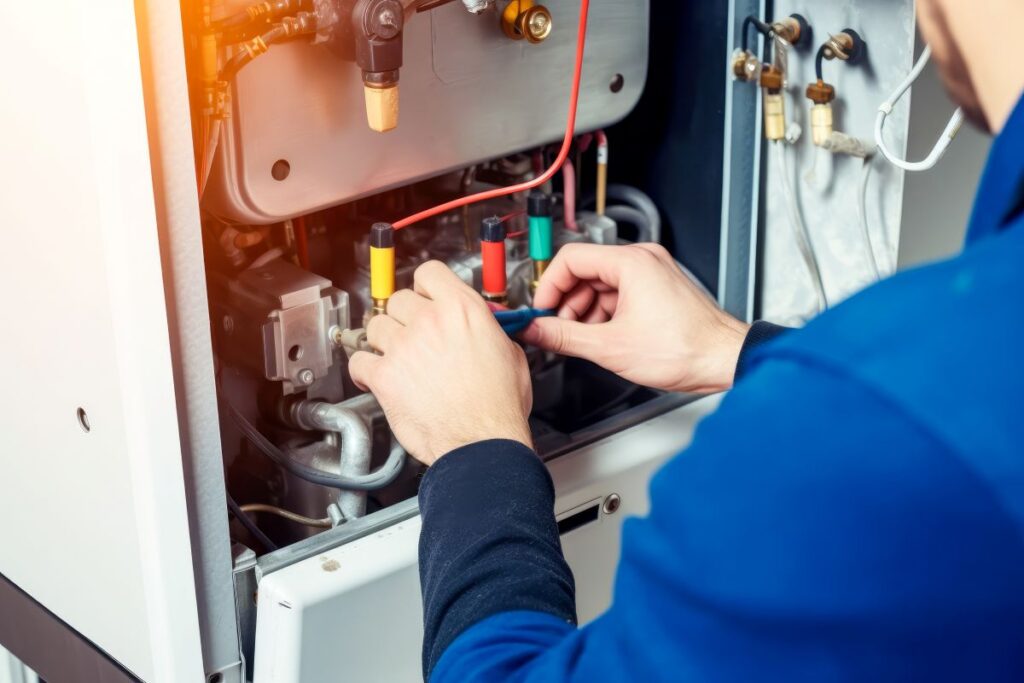
A severely clogged air filter can cause your furnace to overheat and shut down on a safety limit, making this a fast fix worth checking. Pull the filter out and hold it up to the light, and if light does not pass through, replace it with the correct size. A blocked filter restricts airflow enough to trip the furnace’s safety controls, preventing it from running until airflow is restored. A clean filter also protects your indoor air quality by keeping dust and allergens out of the air you breathe.
- Inspect the filter: Hold it to the light to check for clogging.
- Replace if blocked: Use the correct size for your system.
- Protects air quality: A clean filter keeps dust out of your air.
5. Make Sure the Furnace Panel Is Secure
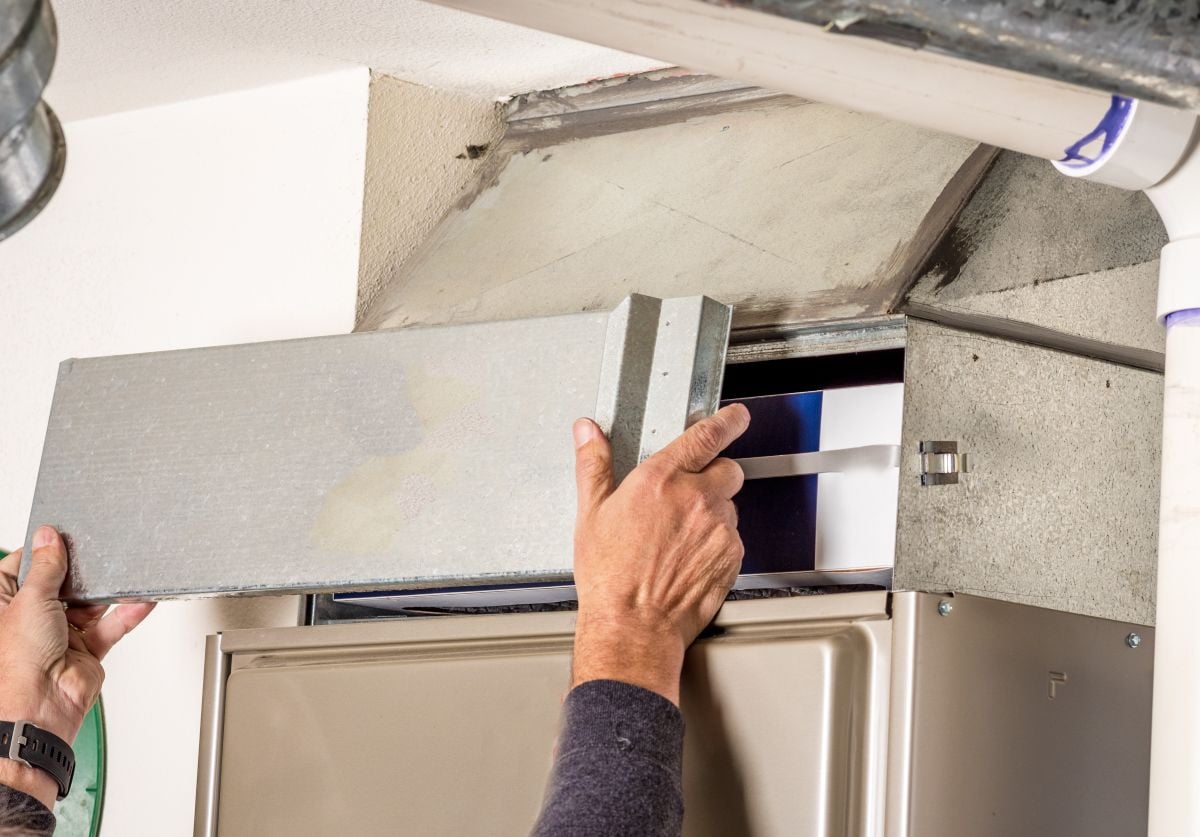
Many furnaces will not run if the access panel covering the blower is not fully seated, thanks to a built-in safety switch. Check that the front panel is properly closed and latched, since it can be left loose after a filter change or maintenance. The safety switch behind it stops the furnace from operating with the panel open, which is a common reason a furnace suddenly will not start after someone has worked on it. Press the panel firmly into place and confirm it clicks or seats fully.
- Check the panel: Make sure the blower access cover is fully closed.
- Seat it firmly: A loose panel trips the safety cutoff.
- Common after service: Panels often come loose during a filter change.
6. Clear Snow and Ice From Outside Vents
For high-efficiency furnaces that vent through the side of the house, blocked exhaust and intake pipes can shut the system down and pose a safety risk. Check that snow, ice, or debris is not covering the PVC vent pipes outside, and gently clear anything blocking them. The CPSC advises clearing snow away from the outside vents for fuel-burning appliances such as furnaces so that dangerous carbon monoxide does not build up in the house. A blocked vent is both a shutdown cause and a hazard.
- Check the vents: Look for snow or ice on exterior PVC pipes.
- Clear gently: Remove blockages so the furnace can vent safely.
- Safety and function: A blocked vent risks CO buildup and shutdown.
Frequently Asked Questions
Homeowners facing a furnace emergency ask these most often. Short answers follow.
What is the first thing to do when my furnace stops working?
Check for safety hazards first, leaving immediately if you smell gas or hear a CO alarm. If there is no hazard, confirm the thermostat is set to heat with fresh batteries, then check the power switch and breaker. These basics resolve many no-heat situations.
When is a furnace problem a true emergency?
It is an emergency when there is a gas leak, a CO alarm, dangerously cold indoor temperatures, or signs of imminent system failure like water leaks and burning smells. Simple issues like a tripped breaker are not emergencies. In deep cold, act quickly to protect your pipes and family.
How do I shut off the gas to my furnace?
Locate the gas shutoff valve on the gas line a foot or two from the furnace, and turn it a quarter turn so it sits perpendicular to the pipe. If you smell gas, leave first and call your gas company from outside rather than shutting it off yourself. Never relight anything until the utility clears the home.
Can I use my oven to heat my home if the furnace fails?
No. Never use a gas stove, oven, or charcoal grill to heat your home, as they release deadly carbon monoxide. Use blankets, layers, and safe portable electric heaters instead. Keep any generator outdoors and far from windows.
How fast can an emergency HVAC repair technician arrive?
Companies with genuine 24/7 dispatch often arrive within two to four hours, though the first hard freeze increases demand. Calling early improves your spot in the queue. Local dispatch usually beats a regional call center.
Fast Fixes Fail? We Are Ready When You Need Us
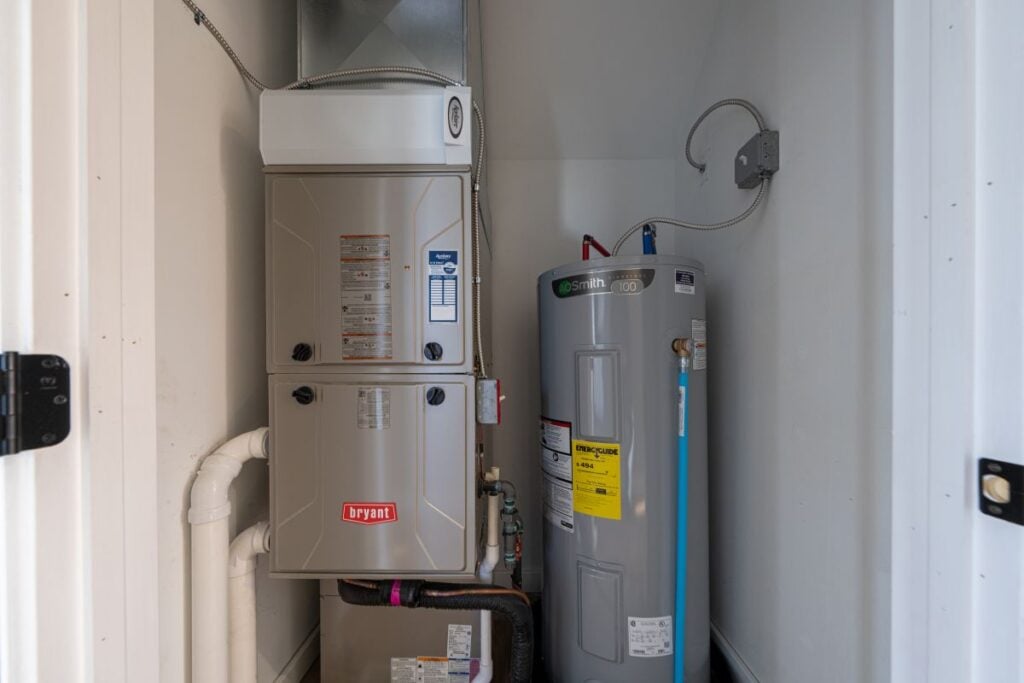
If you have worked through these checks and your home is still cold, the problem is beyond a quick fix, and a Minnesota winter does not give you long to wait. That is exactly the moment Hoffman Cooling & Heating is built for, with 24/7 emergency HVAC repair services, 75 years keeping Minnesota families warm, Minnesota Mechanical Contractor Bond MB005011, and a 4.8 star average across roughly 2,300 Google reviews from New Hope and across the Twin Cities. We answer with a real person, get a qualified technician to your door fast, and handle everything from furnaces and heat pumps to air conditioning and refrigerant leaks, no jargon and no pressure. When the heat fails and the quick fixes do not bring it back, reach out to Hoffman and we will get your home warm again.