


Articles
Heating Installation Cost Guide (6 Things To Expect 2026)
Heating installation is one of the larger home investments a Minnesota homeowner makes, and going in with realistic expectations protects you from sticker shock and sales pressure alike. In 2026, a new gas furnace typically runs somewhere between $3,800 and $12,000 installed, a wide range that reflects real differences in efficiency, equipment, and the work your specific home requires. Understanding what drives that number helps you compare quotes fairly and spot a bid that is too good to be true. This guide walks through six things to expect when you install a new heating system in Cottage Grove, from price ranges to the factors that move them.
- Real price ranges: See what heating installation actually costs in 2026.
- What drives the total: Understand the factors that raise or lower your quote.
- What to expect: Know how the process works before you commit.
What Does Heating Installation Cost in 2026?
Heating installation cost depends on the equipment you choose and the work your home needs to support it. The figures here are planning ranges, and an in-home assessment is the only way to get an accurate quote.
What Is the Average Price Range?
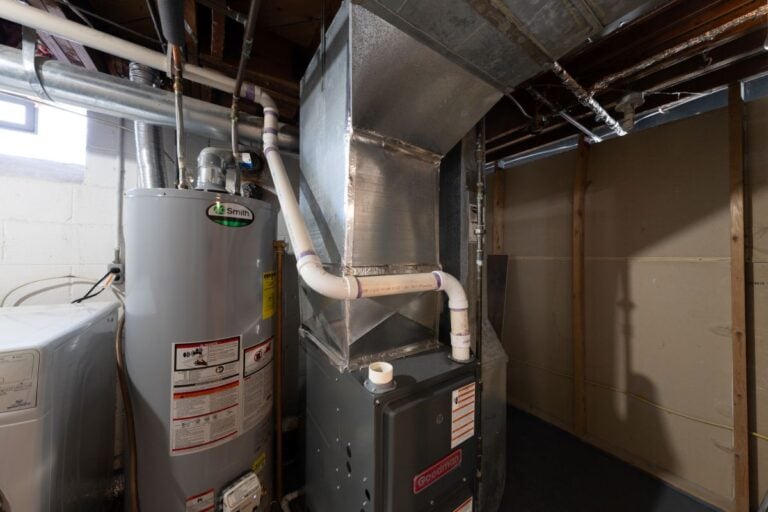
A new gas furnace typically costs between $3,800 and $12,000 installed in 2026, with most homeowners landing somewhere in the middle depending on efficiency and complexity. A standard-efficiency unit rated 80 to 89 percent AFUE generally runs $3,800 to $6,200 installed, while a high-efficiency model at 96 percent or above runs roughly $7,500 to $12,000. Equipment accounts for around 60 percent of the total, with labor, permits, materials, and old-unit disposal making up the rest. Where your installation lands within that range comes down to the six factors below.
- Standard efficiency: Roughly $3,800 to $6,200 installed for 80 to 89 percent AFUE.
- High efficiency: Roughly $7,500 to $12,000 installed for 96 percent AFUE and up.
- Equipment share: The unit itself is about 60 percent of the total.
- The rest: Labor, permits, and disposal make up the balance.
6 Things To Expect With Heating Installation
Every quote is shaped by your home, your equipment choice, and your contractor. These six factors explain why two homes on the same street can pay very different prices.
1. Efficiency Rating Drives the Price
The efficiency rating you choose is the single biggest lever on your heating installation cost. Furnaces are rated by AFUE, which measures how much fuel becomes usable heat, and higher ratings cost more upfront while lowering your monthly bills. A standard 80 percent unit costs less to buy but wastes more fuel every winter, while a 96 percent condensing furnace costs more and returns that premium through years of lower operating costs. In Minnesota’s long heating season, the efficiency decision has a real payback worth weighing carefully.
- AFUE explained: Higher percentages mean more fuel becomes heat.
- Upfront tradeoff: Efficient units cost more to buy, less to run.
- Climate matters: Long Minnesota winters shorten the payback period.
2. Proper Sizing Affects Both Cost and Comfort
Correct sizing determines not just your price but whether the system performs well for years, so it belongs on your expectations list. A larger furnace with more heating capacity, measured in BTUs, costs more, but bigger is not automatically better. An oversized unit short cycles, wastes fuel, and wears out faster, while an undersized one struggles on the coldest nights. A quality contractor performs a load calculation to size the equipment to your home rather than guessing, and that step directly affects both the quote and your long-term comfort.
- BTU capacity: Larger homes need more capacity, raising cost.
- Right-sizing: Proper sizing avoids short cycling and waste.
- Load calculation: Expect a real assessment, not a guess.
3. Professional Installation Quality Matters
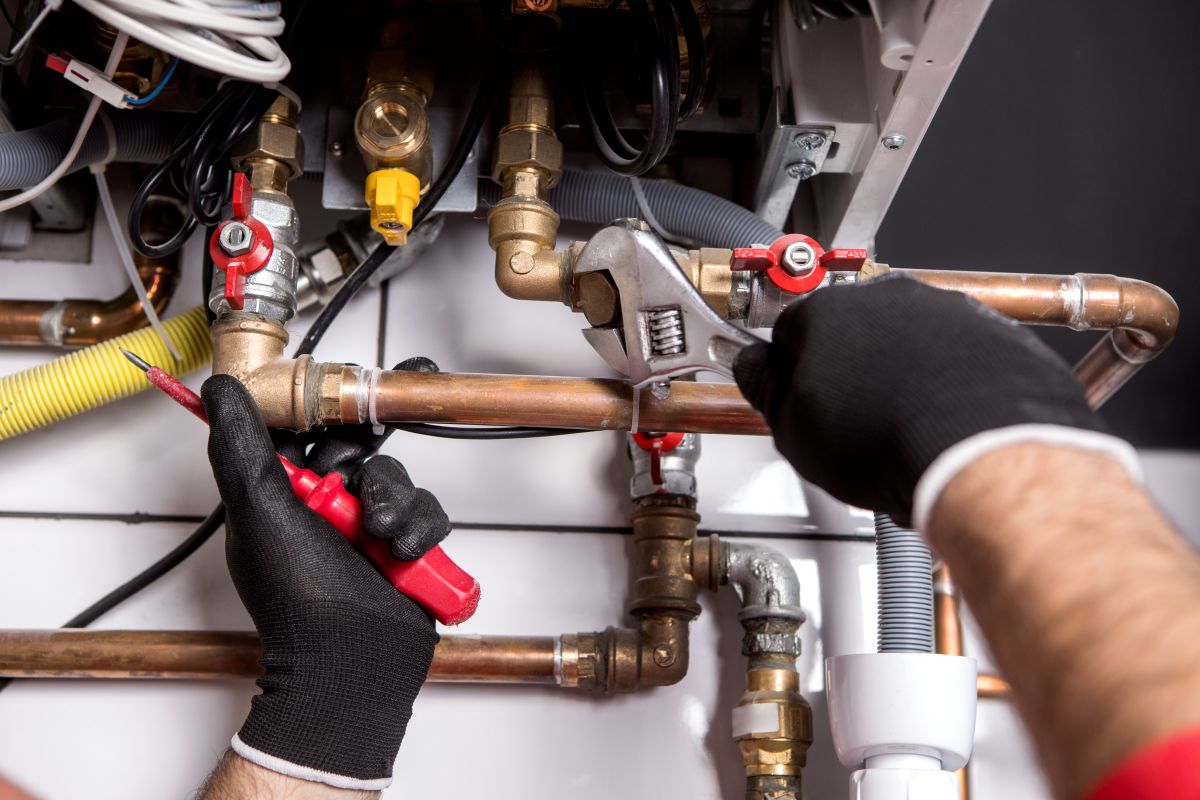
Expect to pay for skilled installation, because the quality of the work determines whether you actually get the efficiency you paid for. Heating is the largest energy expense in most homes, and the U.S. Energy Information Administration reports that more than half of a household’s annual energy use, about 52 percent, goes to space heating and air conditioning. A rock-bottom quote often signals shortcuts on sizing, sealing, or labor that erode that efficiency and cost you more over time. Paying a fair price for correct installation from a licensed contractor protects the entire investment.
- Quality counts: Poor installation erodes the efficiency you bought.
- Beware lowball bids: Very cheap quotes often mean shortcuts.
- Licensed matters: Proper work protects the whole investment.
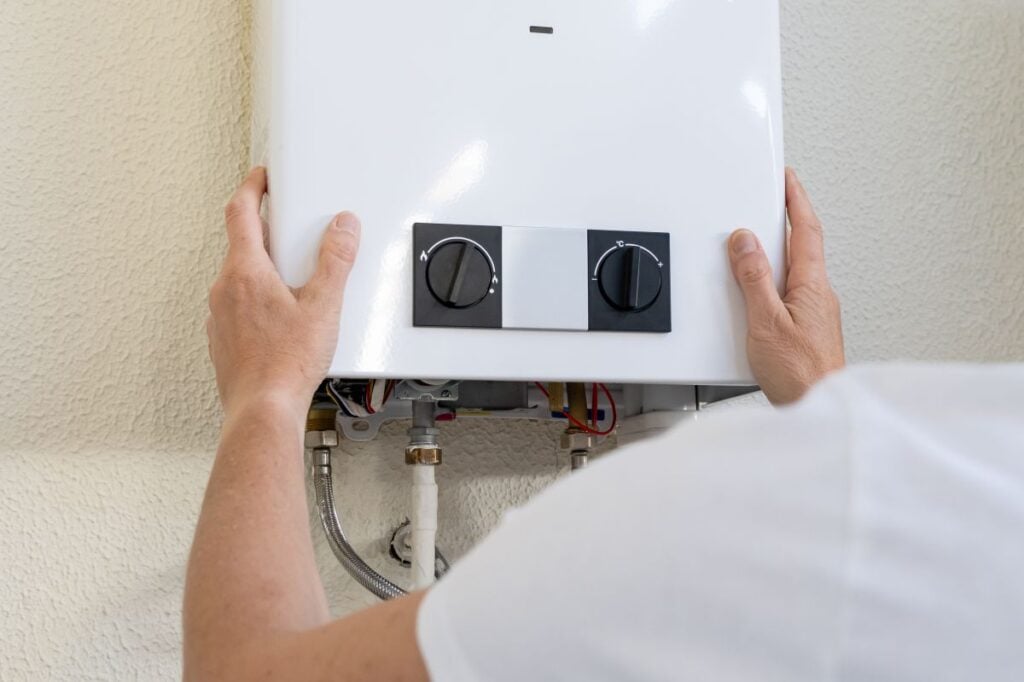
4. Ductwork May Add to the Total
Ductwork condition is a common surprise on heating quotes, and it can raise the total meaningfully. If your existing ducts are leaky, undersized, or poorly routed, a contractor may recommend sealing or modifications so the new furnace performs as designed. Homes converting from another heating type, or adding a furnace where none existed, face larger ductwork costs. It is worth asking any contractor to evaluate your ducts during the quote so there are no surprises once the work begins.
- Existing ducts: Leaky or undersized ducts may need work.
- Conversions cost more: Adding ductwork raises the total significantly.
- Ask upfront: Have ducts evaluated before you accept a quote.
5. Permits and Disposal Are Part of the Cost
Permits, inspections, and removal of your old unit are legitimate line items you should expect to see, not hidden padding. Most jurisdictions require a permit and inspection for heating installation, which protects you by ensuring the work meets code, and this typically adds a few hundred dollars. Hauling away and properly disposing of the old furnace is also part of a complete job. A transparent contractor itemizes these so you understand exactly what you are paying for rather than burying them.
- Permits required: Most areas require permits and inspection.
- Old unit removal: Disposal is part of a complete installation.
- Transparency: Expect these itemized, not hidden.
6. Rebates Have Changed for 2026
Expect the incentive landscape to look different than it did a year ago, because the federal tax credit picture shifted. The federal Energy Efficient Home Improvement Credit that offered money back on qualifying furnaces and heat pumps ended for equipment placed in service after December 31, 2025, so 2026 installations do not qualify for that particular credit. The active savings pathways now are state and utility rebate programs, which vary by location and equipment. Ask your contractor which local rebates apply to your specific system before assuming any particular discount.
- Federal credit ended: The 25C credit does not apply to 2026 installs.
- Local rebates active: State and utility programs remain available.
- Ask first: Confirm which incentives apply to your equipment.
Frequently Asked Questions
Homeowners planning a heating installation ask these most often. Short answers follow.
How long does heating installation take?
A straightforward furnace replacement is usually completed in one day, often in four to eight hours. Jobs involving ductwork changes, fuel conversions, or difficult access can take longer. Your contractor should give you a clear timeline with the quote.
Is a high-efficiency furnace worth the extra cost?
In Minnesota’s long heating season, a high-efficiency furnace often pays back its premium through lower fuel bills over the system’s life. The right choice depends on how long you plan to stay and your fuel costs. A contractor can model the payback for your home.
How long does a new furnace last?
A well-maintained furnace generally lasts 15 to 20 years. Annual professional service and regular filter changes have the biggest effect on lifespan. In Minnesota’s demanding climate, expect the middle of that range with good upkeep.
Should I repair or replace my furnace?
If your furnace is over 15 years old, needs frequent repairs, or drives high energy bills, replacement is often the smarter investment. A single major repair on an aging unit can approach the cost of a new one. A technician can help you weigh the numbers honestly.
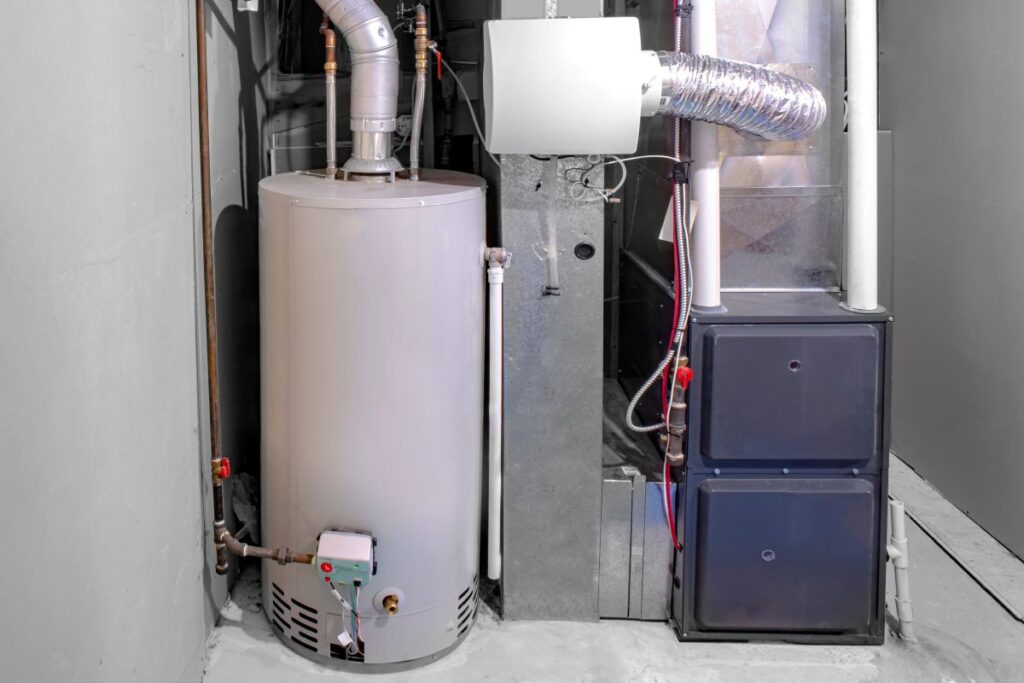
Why Hoffman Cooling & Heating Is the Right Team for Your Heating Installation
Because heating installation is a significant investment that affects your comfort and energy bills for the next two decades, the contractor you choose to size, quote, and install the system matters as much as the equipment itself. Hoffman Cooling & Heating has served Minnesota families for 75 years from our Stillwater location, holds Minnesota Mechanical Contractor Bond MB005011, and carries a 4.8 star average across roughly 2,300 Google reviews, with technicians who perform proper load calculations and explain your quote in plain language, no jargon and no pressure. For homeowners across Cottage Grove and the Twin Cities, that combination of experience, honest pricing, and careful installation is what turns a heating investment into decades of reliable, efficient comfort. Reach out to Hoffman today for a straightforward assessment of your home’s heating needs, and get clear options and honest answers from a team that is here for the long haul.
Recent Articles
Our HVAC Journal